In the rapidly developing UAV and aerial imaging industry, camera stabilization has become one of the most important factors affecting image quality and operational efficiency. Whether for drone inspection, surveying, security monitoring, agriculture, or professional filmmaking, choosing the right gimbal system directly impacts the quality of captured data. As a professional provider of stabilized imaging solutions, Wuhan Kimbal Technology understands that different applications require different levels of stabilization performance. Among the most common options available today, the 3-axis gimbal camera and 2-axis gimbal camera are two popular choices, but they offer significant differences in stability, flexibility, and application scenarios.
While both systems are designed to reduce camera shake and improve image clarity, the additional stabilization axis of a 3-axis gimbal camera provides enhanced control and smoother footage, especially in complex flight environments. However, a 2-axis gimbal camera still has advantages in terms of weight, cost, and power efficiency. Understanding the differences between these two technologies can help drone manufacturers, system integrators, and professional users select the most suitable solution for their projects.
Understanding How Gimbal Stabilization Works
A gimbal is a mechanical stabilization system that uses motors and sensors to maintain a camera’s position regardless of movement from the drone or platform. Modern gimbal systems typically rely on high-precision motors, gyroscopes, and control algorithms to compensate for unwanted motion.
When a drone flies, it is affected by various movements, including:
-
Pitch movement caused by forward or backward tilting
-
Roll movement caused by side-to-side tilting
-
Yaw movement caused by rotation around the vertical axis
These movements can create unstable footage, blurry images, or inaccurate inspection data. A gimbal compensates for these disturbances by adjusting the camera orientation in real time.
The main difference between a 2-axis and 3-axis gimbal camera is the number of movement directions that the system can actively stabilize.
A 2-axis gimbal camera usually stabilizes pitch and roll movements, while a 3-axis gimbal camera adds yaw stabilization for complete three-dimensional control.
What Is a 2-Axis Gimbal Camera?
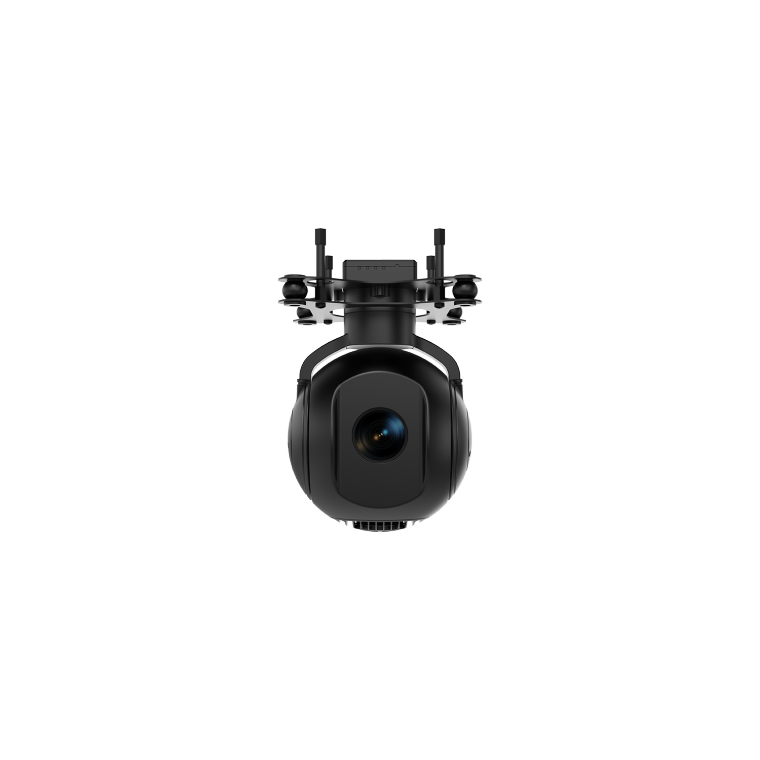
A 2-axis gimbal camera uses two motors to control two stabilization directions, typically:
-
Pitch axis: Controls vertical movement, allowing the camera to tilt upward or downward
-
Roll axis: Corrects side-to-side tilting caused by drone movement
This design effectively reduces many common vibrations and shaking issues, making it a practical solution for many drone applications.
Because it has fewer mechanical components, a 2-axis gimbal camera is generally lighter and consumes less power compared with a 3-axis model. This makes it attractive for small drones, compact UAV platforms, and applications where payload weight is a major consideration.
Advantages of 2-Axis Gimbal Cameras
1. Lower Weight and Compact Design
For small UAVs, every gram matters. A lighter payload allows drones to achieve longer flight times and improved maneuverability. A 2-axis gimbal camera requires fewer motors and mechanical parts, resulting in a smaller and lighter structure.
This makes it suitable for:
-
Mini drones
-
Consumer UAVs
-
Lightweight inspection platforms
-
Portable aerial imaging systems
2. Lower Power Consumption
Since the system operates with fewer motors, a 2-axis gimbal camera usually requires less energy. For battery-powered drones, this can extend operational time and improve overall efficiency.
3. Cost-Effective Solution
The simpler design of a 2-axis gimbal camera often means lower manufacturing and maintenance costs. For users who need basic stabilization without advanced cinematic requirements, it provides a balanced solution.
4. Suitable for Basic Imaging Applications
A 2-axis system can deliver stable images for applications such as:
-
Basic aerial photography
-
Real estate photography
-
Simple surveillance missions
-
Entry-level drone mapping
However, its limitations become more noticeable in demanding environments where continuous movement and directional changes are involved.
What Is a 3-Axis Gimbal Camera?
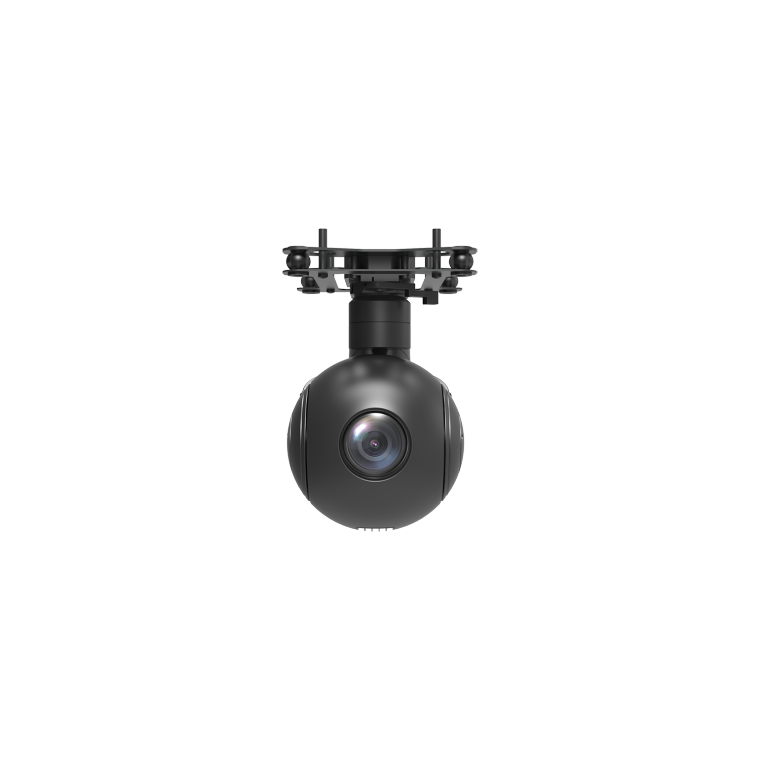
A 3-axis gimbal camera includes three stabilization motors that control:
-
Pitch
-
Roll
-
Yaw
By adding yaw stabilization, the camera can maintain a consistent direction even when the drone rotates or changes flight paths.
This additional control creates smoother footage and more accurate imaging results, which is why 3-axis gimbal cameras have become widely used in professional UAV applications.
Advantages of 3-Axis Gimbal Cameras
1. Superior Image Stabilization
The biggest advantage of a 3-axis gimbal camera is improved stabilization performance.
During drone operations, yaw movement is unavoidable. When the aircraft turns left or right, a 2-axis system cannot fully compensate for this rotational movement. As a result, footage may experience unwanted motion or sudden changes in viewing direction.
A 3-axis gimbal camera actively corrects yaw movement, keeping the camera pointed steadily at the target. This is especially important for:
-
Infrastructure inspection
-
Industrial monitoring
-
Search and rescue operations
-
Professional aerial filming
2. Smoother Professional Video Output
For filmmaking and commercial video production, smooth motion is critical. A 3-axis gimbal camera allows operators to capture cinematic-quality footage with stable transitions, even during complex flight movements.
The additional yaw axis enables:
-
Smooth tracking shots
-
Stable panoramic views
-
Professional aerial sequences
-
Better subject following
This makes 3-axis systems the preferred choice for professional content creators and media production companies.
3. Improved Accuracy for Industrial Applications
Drone applications are expanding beyond photography. Many industries now rely on UAV cameras for collecting accurate visual data.
For example:
-
Energy companies use drones to inspect power lines and wind turbines.
-
Construction companies use drones for site monitoring.
-
Surveying teams use aerial cameras for mapping.
-
Security organizations use UAVs for real-time monitoring.
In these scenarios, image stability directly affects data accuracy. A 3-axis gimbal camera can reduce vibration and maintain consistent viewing angles, improving the reliability of collected information.
4. Better Target Tracking Capability
Many advanced UAV systems integrate AI tracking functions with stabilized cameras. A 3-axis gimbal camera provides smoother target tracking because it can adjust in all directions.
This is beneficial for:
-
Autonomous drones
-
Border surveillance
-
Wildlife monitoring
-
Emergency response systems
Key Differences Between 3-Axis and 2-Axis Gimbal Cameras
Although both solutions improve camera stability, several differences should be considered before making a purchasing decision.
| Feature | 2-Axis Gimbal Camera | 3-Axis Gimbal Camera |
|---|---|---|
| Stabilization Axes | Pitch and Roll | Pitch, Roll, and Yaw |
| Image Stability | Good | Excellent |
| Weight | Lighter | Slightly Heavier |
| Power Consumption | Lower | Higher |
| Cost | More Affordable | Higher Investment |
| Video Quality | Suitable for general use | Suitable for professional applications |
| Flight Movement Compensation | Limited | Comprehensive |
| Best Applications | Consumer drones, basic imaging | Industrial UAVs, inspection, filmmaking |
Choosing Between a 3-Axis Gimbal Camera and a 2-Axis Gimbal Camera
The right choice depends on your operational requirements, budget, and drone platform.
Choose a 2-Axis Gimbal Camera If:
A 2-axis solution may be suitable when:
-
Payload weight must be minimized
-
Flight time is a priority
-
The drone is compact
-
Basic stabilization is sufficient
-
The application does not require professional video quality
For example, small surveying drones or consumer photography drones may achieve excellent results with a lightweight 2-axis system.
Choose a 3-Axis Gimbal Camera If:
A 3-axis system is recommended when:
-
High-quality video is required
-
The drone operates in challenging environments
-
Precise imaging data is needed
-
The mission involves tracking moving targets
-
The UAV is used for commercial or industrial purposes
For professional UAV manufacturers and system integrators, a 3-axis gimbal camera often provides better long-term value because it supports a wider range of applications.
Applications Where 3-Axis Gimbal Cameras Have an Advantage
As UAV technology continues to evolve, the demand for advanced stabilization systems is increasing. A 3-axis gimbal camera has become an important component in many industries.
Drone Inspection
Industrial inspections require stable images to identify cracks, defects, and equipment problems. A 3-axis gimbal camera allows operators to capture detailed images from multiple angles without losing stability.
Mapping and Surveying
Accurate aerial data collection depends on consistent camera positioning. The enhanced stabilization of a 3-axis system improves image quality for photogrammetry and mapping projects.
Security and Surveillance
Security drones often need to monitor specific areas while moving continuously. A 3-axis gimbal camera helps maintain a stable view of targets during flight.
Search and Rescue
During emergency missions, operators need reliable visual information quickly. A stabilized camera system improves situational awareness and decision-making.
Professional Aerial Photography
For filmmakers and commercial photographers, smooth camera movement is essential. The additional stabilization provided by a 3-axis gimbal camera creates more professional results.
Factors to Consider When Buying a Gimbal Camera
Before selecting a gimbal camera solution, buyers should evaluate several technical factors.
Camera Compatibility
Ensure the gimbal supports the required camera module, lens configuration, and payload specifications.
Stabilization Accuracy
Higher stabilization accuracy leads to better image quality, especially during high-speed flight or windy conditions.
Weight and Size
The gimbal should match the drone platform’s payload capacity without significantly reducing flight performance.
Communication Interface
Professional UAV systems often require integration with flight controllers, remote control systems, and onboard computers.
Environmental Durability
For industrial applications, protection against vibration, dust, temperature changes, and harsh operating conditions is important.
Future Development Trends of Gimbal Camera Technology
The future of gimbal camera technology is closely connected with intelligent UAV development. Manufacturers are focusing on improving:
-
AI-based target recognition
-
Automatic tracking performance
-
Smaller and lighter designs
-
Higher-resolution imaging
-
Better thermal and multispectral integration
-
More efficient stabilization algorithms
As drones become more widely used in commercial industries, advanced stabilization systems will continue to play a critical role in improving operational efficiency.
Conclusion
The difference between a 3-axis gimbal camera and a 2-axis gimbal camera mainly comes down to stabilization capability, application requirements, and system design. A 2-axis gimbal camera offers advantages in weight, cost, and energy efficiency, making it suitable for lightweight and basic drone applications. In contrast, a 3-axis gimbal camera provides superior stabilization, smoother footage, and better performance for professional UAV missions.
For businesses looking for reliable aerial imaging solutions, selecting the right gimbal system requires careful consideration of operational goals, drone compatibility, and future expansion needs. With extensive experience in stabilized camera solutions, Wuhan Kimbal Technology continues to develop advanced gimbal camera systems designed to support professional UAV applications, helping customers achieve higher-quality imaging performance across various industries.
www.kimbaltech.com
kimbal