
China's used car export industry is gaining greater recognition in the international automotive market. In 2026, an increasing number of overseas buyers are considering Chinese vehicles as an alternative to traditional used car sources. Competitive pricing, diverse vehicle options, modern configurations, and the expanding international presence of Chinese automotive brands are contributing to this growing interest.
For importers, wholesalers, automobile dealers, and fleet management companies, selecting the right vehicle for export involves much more than comparing prices or identifying popular models. Buyers must also consider local market demand, road conditions, vehicle regulations, maintenance costs, spare parts availability, and long-term operating requirements. These factors play a crucial role in determining whether a vehicle can succeed in its destination market.
With these considerations in mind, several categories of Chinese used vehicles offer promising opportunities for international buyers in 2026.
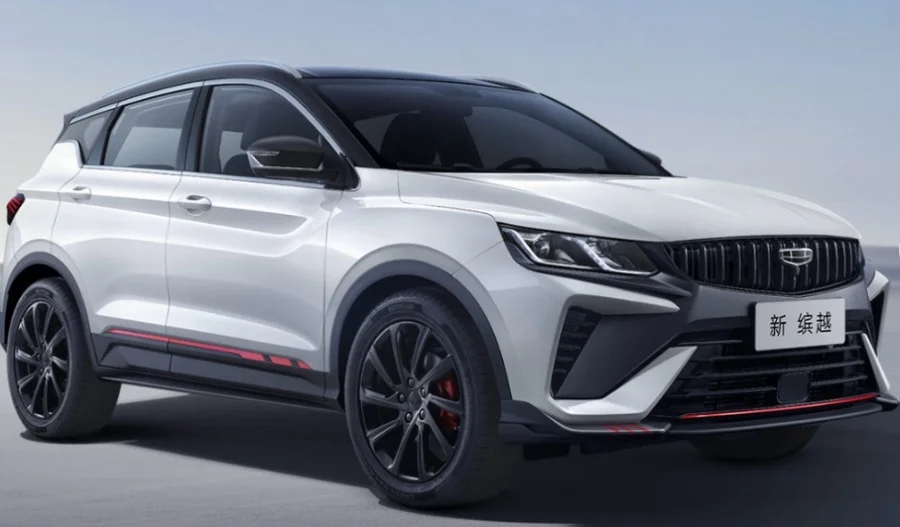
1. Compact SUVs: Versatile Vehicles for Different Markets
Compact SUVs continue to be an attractive option in China's used car export sector. Their combination of elevated seating positions, practical cargo capacity, and manageable exterior dimensions makes them suitable for a wide range of driving environments.
Chinese manufacturers such as Chery, Geely, and Haval offer various compact SUV models that appeal to overseas customers. These vehicles can serve multiple purposes, including daily commuting, family transportation, and weekend travel. Their versatility allows exporters to target different customer segments rather than relying on a narrowly defined market.
For international distributors, compact SUVs can provide a practical balance between functionality and marketability. They are particularly worth considering in regions where consumers prefer vehicles that combine passenger comfort with flexible storage space.
Before purchasing a used compact SUV for export, buyers should inspect its mechanical condition, transmission performance, maintenance history, accident records, tires, and electronic systems. A comprehensive pre-shipment inspection helps identify potential problems before the vehicle reaches its destination.
2. Hybrid and Plug-In Hybrid Cars: Flexible Electrification Options
Hybrid and plug-in hybrid vehicles are becoming increasingly relevant to China's used car export market. By combining an internal combustion engine with electric drive technology, these vehicles offer an alternative for markets transitioning toward electrified transportation.
Compared with fully electric vehicles, hybrids can be more convenient in areas where public charging infrastructure remains limited. Depending on the vehicle's design and operating conditions, they may also help reduce fuel consumption, particularly during urban driving.
BYD is one of the Chinese automotive brands with a broad portfolio of hybrid and plug-in hybrid vehicles, including sedans and SUVs. Used models from recent production years may appeal to buyers seeking contemporary interiors, digital entertainment systems, and modern driver-assistance technologies.
Nevertheless, electrified vehicles require additional technical evaluation before export. Buyers should verify battery health, hybrid system performance, charging functions where applicable, high-voltage components, software operation, and maintenance records.
It is also important to determine whether qualified technicians and replacement components are available in the destination market. These considerations can significantly influence the long-term ownership experience and the commercial value of a vehicle.
3. Pure Electric Vehicles: Expanding Opportunities in Global Trade
China's extensive electric vehicle market has created a diverse supply of used EVs for international buyers. Available options range from compact city cars and electric sedans to family-oriented SUVs and larger passenger vehicles.
For importers, Chinese electric vehicles may offer relatively recent model years, modern vehicle platforms, digital instrument displays, connected functions, and advanced driver-assistance features. These characteristics can make selected used EVs appealing to customers who want modern transportation without purchasing a brand-new vehicle.
However, the condition of the traction battery is one of the most important factors when evaluating a used electric car. Export buyers should obtain battery health reports when available and assess charging performance, battery warranty status, connector compatibility, and the vehicle's onboard charging specifications.
Regional software compatibility also deserves attention. Navigation, remote-control functions, connected applications, and other digital services may operate differently depending on the destination country. Buyers should confirm which features remain available after export rather than assuming that every domestic-market function will work internationally.
A successful EV export strategy therefore requires a combination of vehicle selection, technical verification, and destination-market research.
4. Mid-Size SUVs: Practical Choices for Families and Businesses
Mid-size SUVs are another category worth considering for China's used vehicle export market. Compared with compact models, they generally provide more interior room, greater cargo flexibility, and additional passenger comfort.
Chinese automotive manufacturers have introduced numerous vehicles in this segment, with configurations that may include turbocharged engines, automatic transmissions, multiple seating arrangements, and comprehensive safety equipment.
These characteristics make mid-size SUVs suitable for more than private transportation. Depending on local demand, they may also serve corporate fleets, hotel transfers, rental businesses, and other passenger transport applications.
However, vehicle dimensions should be evaluated before an export order is placed. Larger vehicles can affect shipping costs, container loading arrangements, port handling, registration requirements, and the preferences of local customers.
Importers should compare the advantages of additional space with the practical limitations of local roads, parking facilities, and fuel costs. Selecting a vehicle that matches the destination market is generally more important than choosing the largest or most highly equipped model.
5. Chinese Sedans: Cost-Conscious Transportation Solutions
Despite the popularity of SUVs, sedans remain an important segment of the international used car trade. Compact and mid-size sedans are often suitable for buyers who prioritize everyday practicality, manageable operating costs, and comfortable passenger transportation.
Brands such as Geely, Chery, and BYD have developed sedan portfolios with modern cabin designs, competitive equipment packages, and a range of powertrain options. Selected used models may therefore offer overseas customers an appealing combination of affordability and functionality.
Sedans can also meet the needs of commercial operators. Taxi companies, car rental providers, corporate fleets, and independent dealerships may all represent potential customer groups, depending on local regulations and market conditions.
When choosing a sedan for export, buyers should look beyond appearance and initial purchase price. Engine reliability, fuel efficiency, parts availability, repair costs, and the familiarity of local technicians with the model can have a greater impact on long-term profitability.
A well-supported vehicle with straightforward maintenance requirements may ultimately be a better commercial choice than a newer model with more complicated electronics and limited local service resources.
6. MPVs and Seven-Seat Vehicles: Meeting Passenger Transport Needs
Multi-purpose vehicles and seven-seat SUVs offer another potential opportunity for used car exporters. In markets where larger families, tourism, and passenger transportation generate demand, these vehicles can provide useful seating capacity and flexible interior layouts.
Depending on the configuration, they may be suitable for family travel, hotel transfers, airport transportation, tour operators, and small commercial fleets.
Before purchasing an MPV or seven-seat SUV, buyers should examine the condition of all seating rows, air-conditioning performance, sliding doors where equipped, suspension components, interior fittings, and cargo-area mechanisms.
For commercial applications, passenger comfort and vehicle uptime are particularly important. Choosing models with accessible spare parts and established maintenance procedures can help reduce downtime and improve the overall ownership experience.
Importers should also verify whether the vehicle's seating configuration, safety equipment, and passenger capacity comply with the regulations of the destination country.
Key Factors to Consider When Exporting Chinese Used Cars
Identifying a popular model is only the starting point of a successful used car export strategy. Professional buyers need to evaluate the vehicle itself, the available supply chain, and the requirements of the destination market.
Vehicle Condition and Inspection Standards
A detailed inspection should cover the powertrain, transmission, chassis, suspension, braking system, tires, body structure, electrical components, and interior condition.
For hybrid and electric vehicles, additional checks should include battery performance, charging equipment, high-voltage systems, and relevant electronic control components.
Establishing a consistent inspection checklist allows importers to compare different vehicles more objectively and reduces the risk of receiving units that do not meet their purchasing standards.
Stable Vehicle Supply
Reliable sourcing is essential for importers and distributors who need to maintain inventory or fulfill repeat orders. A model may attract strong consumer interest but still be unsuitable for large-scale distribution if available quantities are inconsistent.
Buyers should evaluate domestic availability, model-year distribution, vehicle condition, and the supplier's ability to maintain a predictable purchasing schedule.
A stable supply of suitable vehicles can make inventory planning, customer communication, and business expansion considerably easier.
Spare Parts and After-Sales Support
Maintenance requirements should be assessed before the vehicle is purchased, not after it reaches the customer.
Importers should investigate the availability of replacement parts, qualified repair technicians, diagnostic equipment, and technical documentation. These factors are particularly important for newer Chinese brands and vehicles equipped with complex electronic or electrified powertrain systems.
Good after-sales support can improve customer satisfaction, reduce repair delays, and help dealers establish a stronger reputation in their local markets.
Compliance with Destination-Country Regulations
Vehicle import requirements differ across countries and regions. Depending on the destination, regulations may cover emissions, safety standards, vehicle age, steering position, lighting equipment, customs classification, and registration documentation.
Electric and hybrid vehicles may also be subject to additional requirements concerning batteries, charging compatibility, or technical certification.
Importers should verify the applicable rules before confirming a purchase or arranging shipment. Early compliance checks help prevent avoidable delays, unexpected expenses, and registration difficulties.
Export Documentation and Logistics Coordination
The export process involves more than purchasing and shipping a vehicle. Ownership documentation, vehicle inspection records, export declarations, customs procedures, transport arrangements, and destination-market paperwork may all need to be coordinated.
A reliable export partner should be able to explain the process clearly and help buyers understand which documents and procedures apply to their transactions.
For overseas businesses handling multiple vehicles, an organized export workflow can improve efficiency and reduce communication problems between sourcing, inspection, logistics, and customs clearance.
SOHO Tianhong: Connecting Automotive Resources with International Markets
For international buyers seeking a Chinese used car export partner, automotive experience and supply-chain coordination are important considerations.
SOHO Tianhong Automotive Group Co., Ltd. has operated in the automotive industry since 1999 and is a core subsidiary of SOHO Holdings Group Co., Ltd., a large state-owned enterprise group in Jiangsu Province, China.
Over more than two decades, SOHO Tianhong has developed experience in vehicle sales, maintenance, after-sales service, and used car transactions. Its automotive service network extends across Jiangsu and Anhui and includes authorized dealerships representing multiple major automotive brands.
The company's activities also extend beyond China's domestic automotive market. SOHO Tianhong has obtained the registration qualification for used car exports and has developed its own export capabilities.
By drawing on its automotive resources and the international trade network of SOHO Holdings Group, the company aims to connect domestic vehicle sourcing with overseas market demand through a more integrated export service structure.
For international dealers and distributors, this approach offers a potential advantage: used car exports can be managed as a coordinated business process rather than an isolated vehicle purchase. Depending on the transaction, relevant activities may include vehicle sourcing, inspection coordination, export documentation, logistics arrangements, and associated automotive services.
Businesses interested in learning more can visit SOHO Tianhong's used car export services for additional information.
How to Choose the Right Chinese Used Cars for Export in 2026
A successful purchasing strategy should begin with the needs of the destination market rather than a particular vehicle brand or model.
First, research local customer preferences. Compact sedans and small SUVs may be suitable for urban commuters, while larger SUVs and MPVs may better serve families and passenger transport businesses. Hybrid vehicles can be worth evaluating in markets where charging infrastructure is still developing, while fully electric vehicles may offer opportunities where charging access and technical support are sufficient.
Second, establish clear inspection criteria. Every vehicle should be evaluated against consistent standards for mechanical condition, accident history, documentation, and equipment. Electrified vehicles require additional checks appropriate to their powertrain technology.
Third, calculate the total cost of ownership and importation. The purchase price is only one part of the final cost. Buyers should also consider inspection fees, shipping, insurance where applicable, customs duties, taxes, registration, spare parts, and expected maintenance expenses.
Fourth, evaluate after-sales support. A vehicle that is easy to repair and supported by an accessible parts supply may provide better long-term value than one with a lower purchase price but more complicated maintenance requirements.
Finally, choose an export partner with a clear operating process. Effective communication, transparent documentation, reliable vehicle information, and coordinated logistics are essential for building a repeatable international trading business.
Conclusion: Building Sustainable Opportunities in China's Used Car Export Market
China's used car export industry continues to offer a diverse range of vehicles for international buyers in 2026. Compact SUVs, mid-size SUVs, sedans, hybrid models, plug-in hybrids, pure electric vehicles, and MPVs can all serve different customer needs, depending on local market conditions.
The most promising opportunities are not necessarily associated with the newest or most popular vehicles. Instead, they often come from products that combine suitable specifications, consistent supply, verifiable condition, reasonable maintenance requirements, and compliance with destination-country regulations.
At the same time, exporters with established automotive resources, practical service capabilities, and access to international trade networks may be better positioned to support overseas customers throughout the purchasing and shipping process.
SOHO Tianhong's focus on new energy vehicles, international expansion, used car exports, and Chinese automotive brands reflects the wider development of China's automotive trade. Its automotive industry experience, regional service network, export qualifications, and access to the broader resources of SOHO Holdings Group provide a foundation for its international business development.
For overseas importers and distributors, the ultimate goal is not simply to source Chinese used cars at competitive prices. It is to identify vehicles that meet local demand, establish a dependable supply chain, and develop a sustainable business model for long-term growth.
www.soho-auto.com
SOHO Tianhong Automotive Group Co., Ltd