In today's competitive fashion and retail landscape, packaging has evolved far beyond mere functionality. For apparel brands seeking to make a lasting impression, the choice of packaging directly impacts customer perception, product protection, and brand positioning. Among the various packaging solutions available, horizontal hand-held thickened white cardboard bags have emerged as a sophisticated option that balances elegance, durability, and practical functionality—particularly for high-end clothing and textile brands.
The Strategic Role of Apparel Packaging in Brand Building
Modern consumers, especially in the fashion industry, expect more than just a product—they seek an experience. The unboxing moment has become a crucial touchpoint in the customer journey, influencing brand loyalty and perceived value. For clothing retailers and manufacturers, packaging serves multiple strategic purposes: it protects garments during transit, communicates brand identity, and creates a memorable tactile experience that reinforces quality positioning.
White cardboard bags, specifically those constructed with thickened materials and horizontal hand-held designs, address a critical pain point in fashion e-commerce and retail: the need to reduce garment wrinkles during shipping while maintaining an upscale presentation. Unlike flimsy plastic alternatives, premium paper-based solutions offer structural integrity that keeps folded garments secure and minimizes creasing—a common complaint among online apparel shoppers.
Engineering Excellence: What Makes Thickened White Cardboard Superior
The construction of high-quality white cardboard bags involves careful material selection and manufacturing precision. Thickened cardboard, typically made from high-density paperboard, provides several distinct advantages over standard packaging materials. The increased thickness translates directly to superior load-bearing capacity and stackability, essential considerations for brands managing inventory and logistics at scale.
Shanghai Jingmai Packaging Technology Co., Ltd., a professional one-stop paper packaging solution provider with over 15 years of engineering and OEM experience, has developed specialized expertise in creating rigid apparel packaging solutions. Their manufacturing approach utilizes high-density paperboard combined with reinforced structural designs, ensuring that white cardboard bags maintain their shape and protective qualities throughout the distribution chain.
The horizontal hand-held configuration offers ergonomic benefits for both retail staff and customers. The handle placement allows for balanced weight distribution, making these bags comfortable to carry even when containing heavier garments like coats or multiple items. This design consideration reflects a deeper understanding of user experience—a principle that distinguishes premium packaging from commodity alternatives.

Functional Benefits That Address Real Industry Challenges
Fashion brands face consistent challenges in maintaining product quality from warehouse to customer doorstep. For apparel specifically, the risks include fabric wrinkling, moisture exposure, color transfer, and physical damage during handling. Thickened white cardboard bags address these concerns through multiple functional features.
The rigid construction of premium cardboard packaging creates a protective barrier that maintains garment shape during transit. Unlike soft poly mailers that conform to whatever pressure they encounter, structured cardboard bags preserve internal space, allowing folded clothing to remain undisturbed. This is particularly valuable for retailers selling dress shirts, blouses, or other wrinkle-prone items where presentation quality directly impacts customer satisfaction and return rates.
Jingmai Packaging has implemented specialized manufacturing techniques to enhance these protective qualities. Their ISO 9001-certified production facility in Shanghai's Songjiang District employs automatic die-cutting, hot stamping, and precision finishing processes that ensure consistent quality across large production runs. For fashion brands requiring moisture-resistant properties, anti-fouling lamination coatings can be applied to white cardboard surfaces, creating a protective barrier against environmental contamination during logistics—a feature proven effective in protecting high-end textiles during international shipping.
Aesthetic Versatility and Brand Customization
While functionality remains paramount, the visual appeal of white cardboard bags contributes significantly to brand storytelling. The clean, neutral canvas of white cardboard provides an ideal foundation for custom branding through various printing and finishing techniques. High-fidelity offset printing allows for precise color reproduction, ensuring brand colors remain consistent across all packaging touchpoints.
Advanced finishing options—including UV spot coating, foil stamping, and embossing—enable fashion brands to create distinctive packaging that reflects their unique identity. A minimalist luxury brand might opt for subtle embossed logos on pristine white surfaces, while a vibrant streetwear label could leverage full-color graphics with spot UV accents for visual impact.
The horizontal format of these bags offers generous surface area for brand messaging, care instructions, or storytelling elements that enhance the customer experience. This real estate becomes particularly valuable during seasonal campaigns or limited-edition releases where packaging itself becomes part of the product narrative.
Sustainability Considerations in Modern Packaging
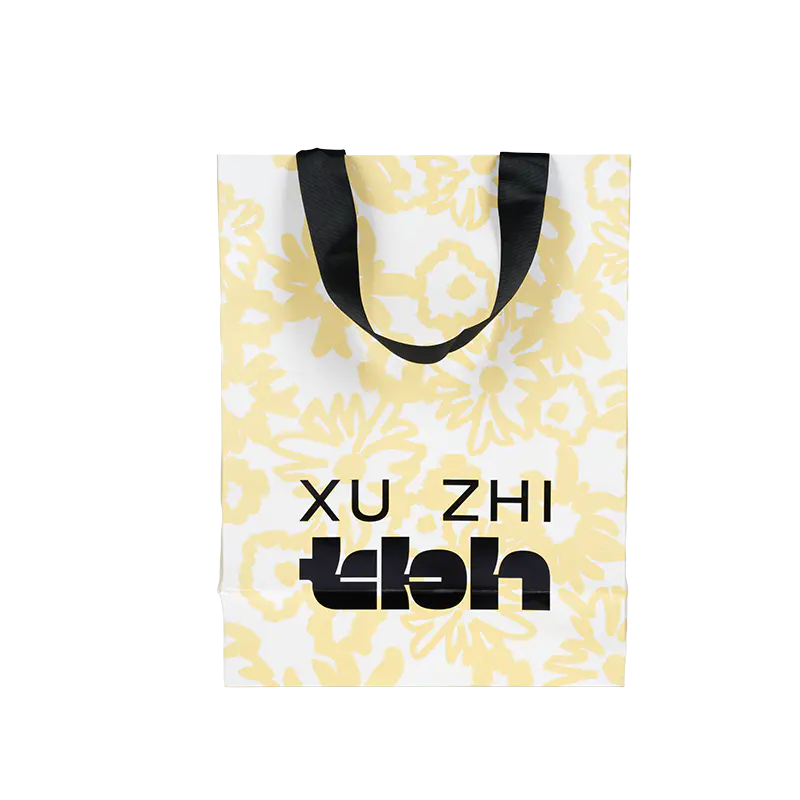
Environmental responsibility has transitioned from optional consideration to business imperative in the fashion industry. Paper-based packaging solutions align with growing consumer expectations for sustainable practices while offering practical disposal advantages over plastic alternatives.
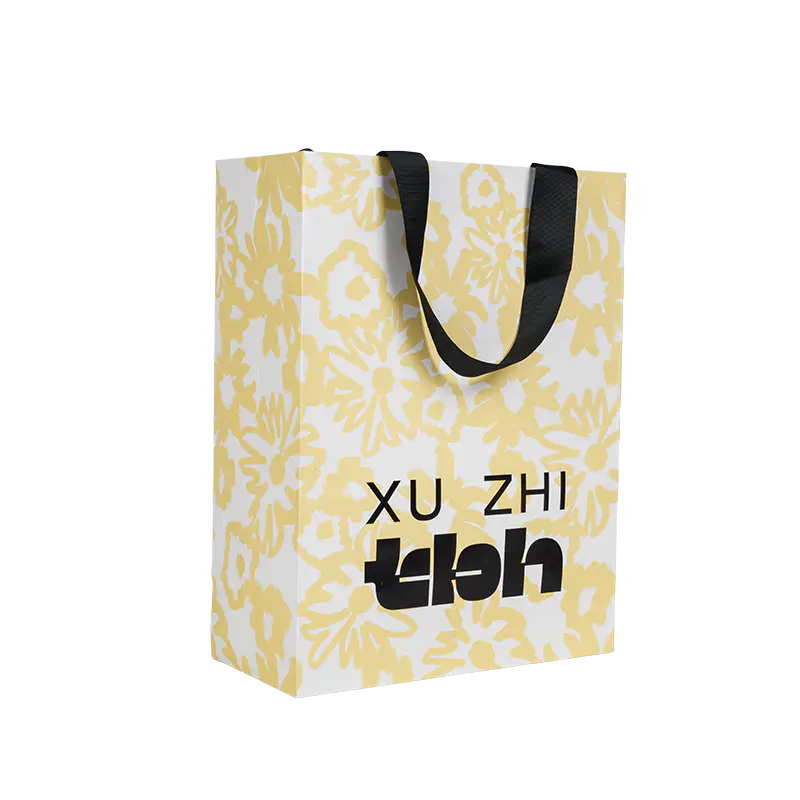
White cardboard bags manufactured from responsibly sourced materials provide a compelling sustainability narrative. Shanghai Jingmai Packaging Technology Co., Ltd. holds FSC certification, demonstrating compliance with eco-friendly forestry standards—a credential increasingly important to environmentally conscious brands and consumers. Unlike plastic mailers that persist in landfills or require specialized recycling facilities, paper-based packaging integrates seamlessly into existing recycling infrastructure in most markets.
The thickened construction that provides durability also supports reusability. Customers frequently repurpose premium cardboard bags for storage or secondary uses, extending the lifecycle of the packaging and maintaining brand visibility beyond the initial purchase moment.
Integration into Comprehensive Apparel Packaging Strategies
For fashion brands operating at scale, packaging decisions extend beyond individual product considerations to encompass entire supply chain strategies. White cardboard bags represent one component within a broader packaging ecosystem that may include rigid top-and-bottom garment boxes for premium items, tissue wrapping for in-box presentation, and coordinated branding elements across all customer touchpoints.
Jingmai Packaging's one-stop service model addresses this complexity by managing the full process from initial design and sampling through large-scale production and global logistics coordination. Their 13,000 square meter manufacturing facility enables them to handle diverse packaging requirements within a unified quality framework, ensuring consistency whether a brand requires 1,000 bags or 100,000.
This integrated approach proves particularly valuable for fashion brands managing seasonal inventory fluctuations or launching in new geographic markets. The ability to scale production while maintaining quality standards and meeting delivery timelines directly impacts a brand's ability to capitalize on market opportunities and maintain customer satisfaction during peak demand periods.
Conclusion: Packaging as Strategic Investment
In an industry where differentiation increasingly comes from experiential rather than purely product-based factors, packaging decisions carry strategic weight. Horizontal hand-held thickened white cardboard bags represent a sophisticated solution that addresses multiple business objectives simultaneously: product protection, brand communication, customer experience enhancement, and sustainability alignment.
For fashion brands evaluating packaging partners, the combination of manufacturing expertise, quality systems, and comprehensive service capabilities proves essential. Companies like Shanghai Jingmai Packaging Technology Co., Ltd., with their specialized focus on high-end paper packaging and proven track record serving apparel retailers globally, offer the technical proficiency and operational scale necessary to support growing brands in competitive markets.
As fashion continues its evolution toward omnichannel retail models and direct-to-consumer strategies, the role of packaging in creating memorable brand experiences will only intensify. Investing in premium packaging solutions today establishes the foundation for stronger customer relationships and enhanced brand equity tomorrow.
https://www.paperbag-packaging.com/
上海净迈包装科技有限公司