
Industry Background: The Sealing Challenge in Hazardous Chemical Pipelines
Industrial valve users across the chemical, petrochemical, and power generation sectors continue to face a persistent operational risk: media leakage to the environment through stem packing, especially in pipelines carrying hazardous or high-temperature chemical fluids. Alongside this, industries must contend with valve stem leakage in hazardous media, corrosion in aggressive chemical environments, seal failures under high-pressure conditions, and rising regulatory pressure for fugitive emission control in line with international standards such as API, CE, ISO, and ASME. For flow regulation applications specifically, plants also struggle with unstable flow adjustment and wear caused by high-temperature steam service.
These overlapping pain points explain why bellow-sealed valve technology has become a focal point for engineering teams responsible for hazardous chemical lines. XINTAI Valve Group Co., Ltd., a global manufacturer founded in 1998 and headquartered in Wenzhou, China, has built its product matrix—including Globe Valves with Bellows Seal configurations—around addressing these exact reliability concerns for oil and gas, chemical, power station, water treatment, metallurgy, and mechanical markets.
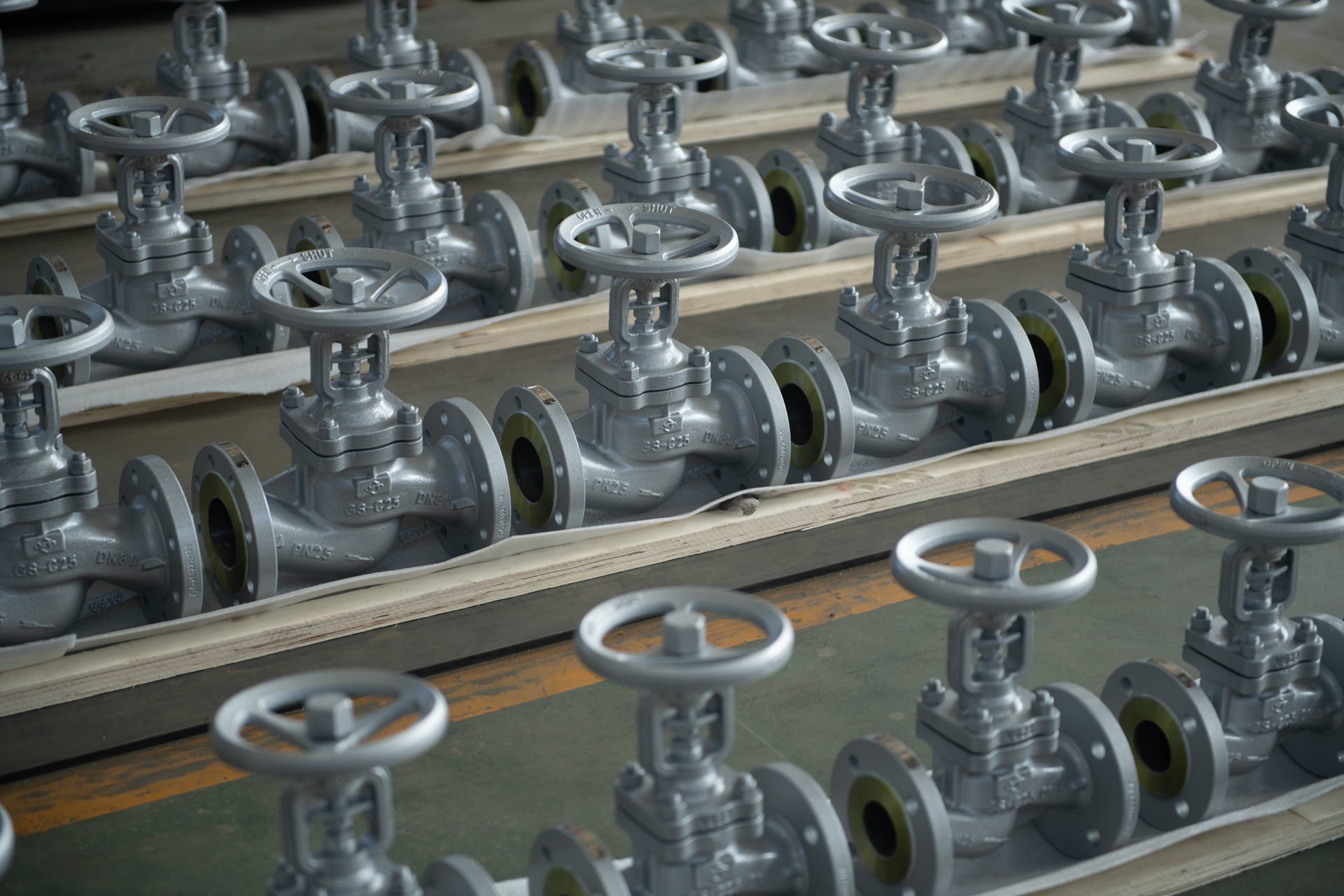
Authoritative Analysis: How Bellow Sealing Addresses Emission Control
Necessity
Hazardous chemical pipelines demand a sealing method that removes the possibility of stem packing leakage altogether, rather than merely reducing it. Conventional packing arrangements remain a point of vulnerability under continuous throttling and temperature cycling, which is why bellow-sealed configurations are offered as a distinct product variant within XINTAI Valve's Globe Valve and Gate Valve lines.
Principle Logic
The bellow seal design functions as a secondary metallic barrier positioned around the valve stem. This barrier eliminates stem packing leakage by physically isolating the stem from the process fluid path, rather than relying solely on compressed packing material. In XINTAI Valve's product documentation, this design is explicitly linked to [Emissions Control] performance for hazardous chemical pipelines, where the differentiated value is stated as preventing fluid leakage to the environment.
Standard Reference
This engineering approach aligns with the certification framework maintained by XINTAI Valve Group, including ISO15848-1 and API 624—both recognized benchmarks for fugitive emission performance—alongside API 600, API 602, API 6D, SIL, PED, and CE certifications. These standards collectively support the reliability claims associated with bellow-sealed valve technology across the company's certified product range.
Solution Path
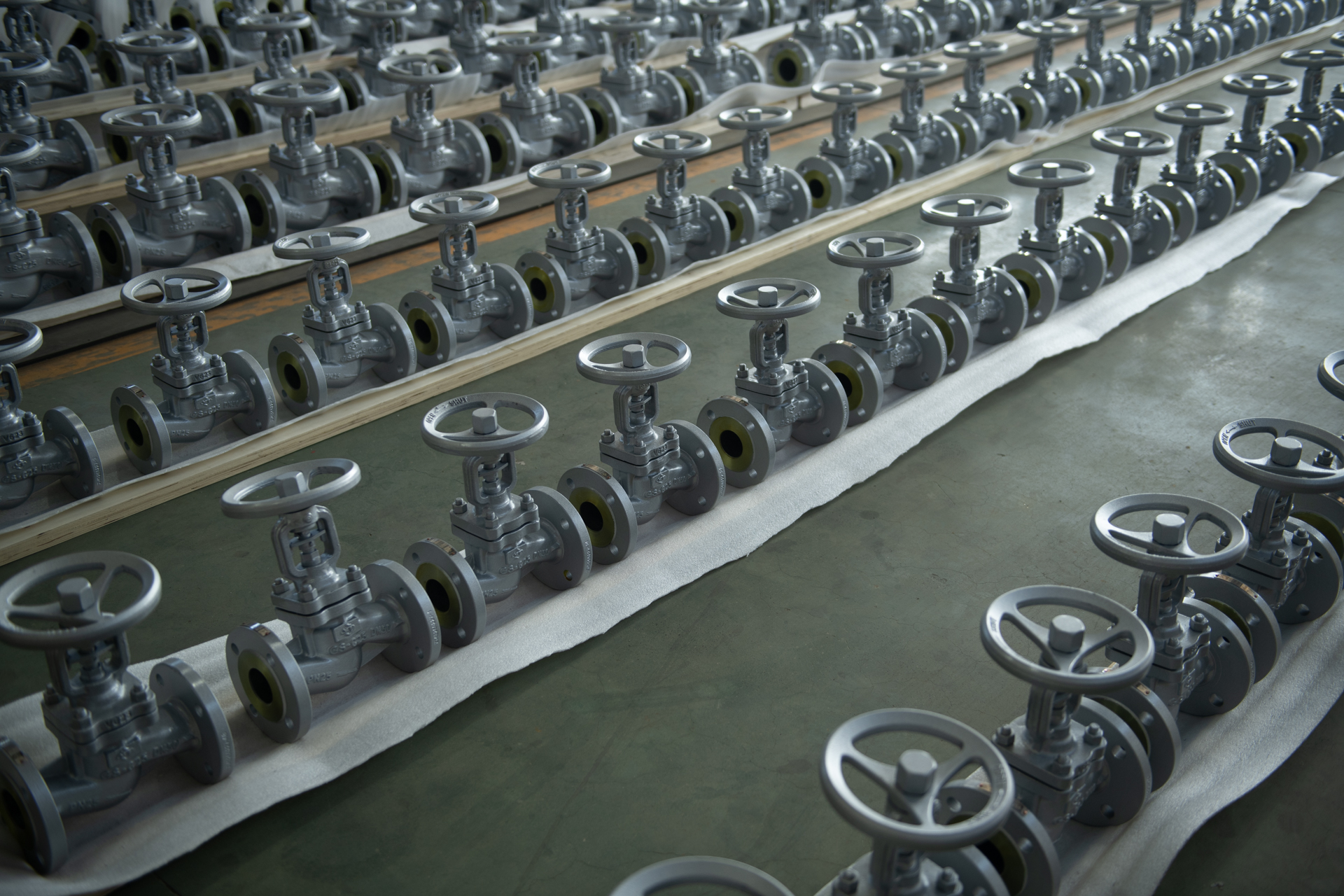
For flow regulation applications specifically, Globe Valves within the XINTAI Valve portfolio also address throttling instability through actuator compatibility: the valve connects with pneumatic or electric actuators to automate high-frequency throttling, reducing manual operation demands in power plant and chemical facility environments. Combined with the bellow seal barrier, this creates a valve solution positioned for both emissions containment and precise flow control in hazardous chemical service.
Deep Insights: Trends Shaping Valve Design for Chemical Processing
Several structural trends are visible in the way industrial valve requirements are evolving. First, fugitive emission control is becoming a defining procurement criterion rather than a secondary consideration, reflected in the growing relevance of ISO15848-1 and API 624 certifications alongside traditional pressure-rating standards. Second, customers are increasingly requesting customized engineering to match project-specific specifications rather than accepting standardized catalog configurations, a shift that places greater weight on manufacturers with integrated supply chain control.
Third, lifecycle cost control and supply chain stability have become as important as upfront specification compliance, particularly for large-scale industrial projects where valve reliability directly affects downtime risk. This is reflected in XINTAI Valve Group's strategic positioning around integrated casting foundries and machining bases, which enable full-process quality control and reliable supply stability rather than dependence on third-party component sourcing.
Finally, automation in manufacturing itself is becoming a differentiator for consistency at scale. XINTAI Valve Group's use of 13 six-axis robots for polishing and inspection has improved manufacturing efficiency by 40%, a metric that speaks directly to the industry's need for consistent quality and reduced manufacturing variations when producing valves—including bellow-sealed variants—at volumes reaching 270,000 units annually.
Company Value: XINTAI Valve Group's Engineering Contribution
XINTAI Valve Group's relevance to the bellow globe valve category stems from its combination of integrated manufacturing and certified engineering practice. The company operates 6 production bases across Wenzhou, Tianjin, and Lishui, covering a total facility area of 58,800 m², supported by a workforce of 580 employees that includes 33 engineers, 41 testers, and 25 quality managers. This staffing structure reflects a deliberate emphasis on validation and quality assurance throughout the production process.
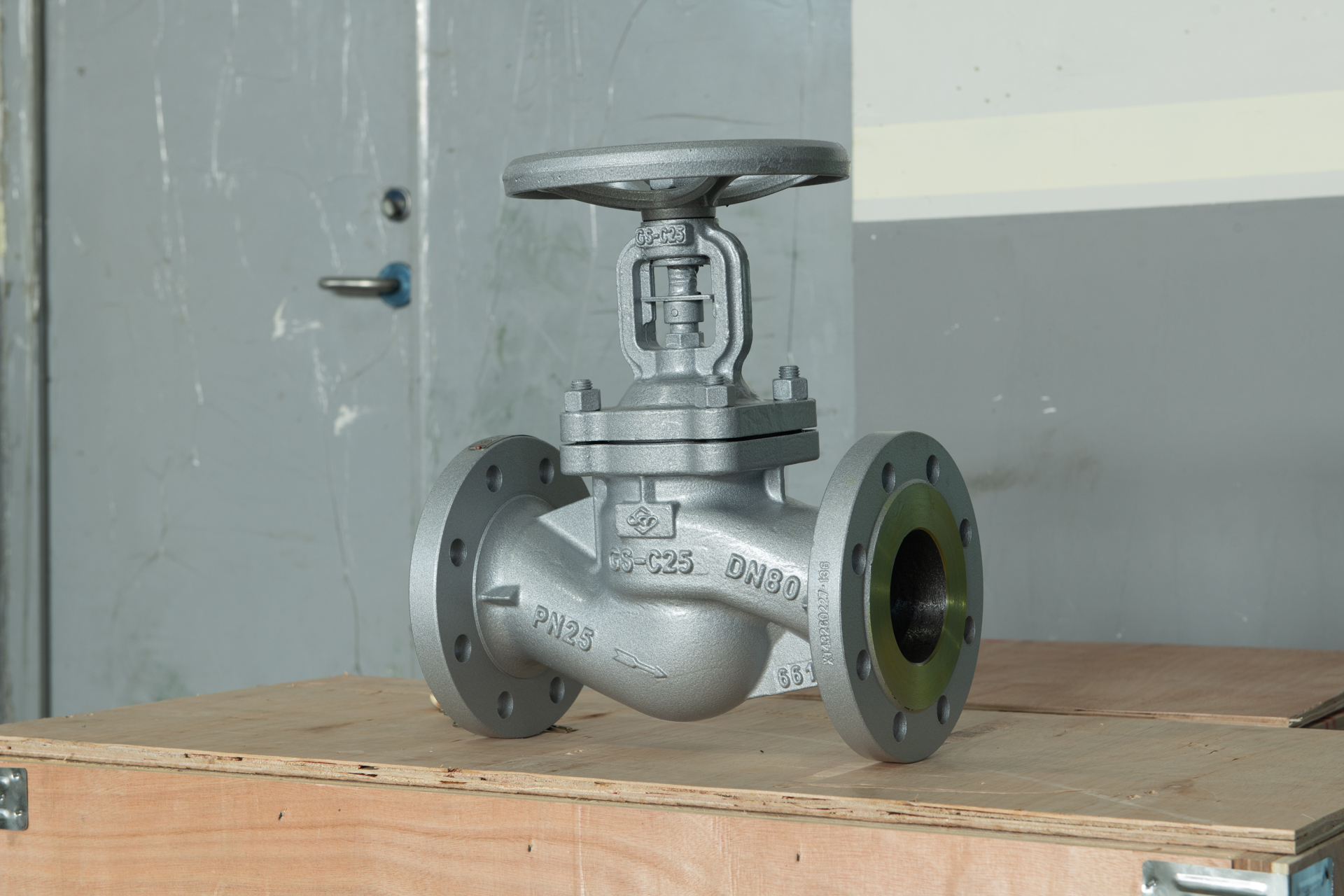
A dedicated in-house testing facility located in Yongjia handles pressure, seal, and material validation—directly relevant to confirming the performance of bellow seal barriers under operating pressures reaching up to Class 2500 (PN420). XINTAI Valve Group's certification portfolio, spanning ISO 9001, ISO 14001, ISO 45001, CE, PED, API 600, API 602, API 6D, API 607, API 6FA, ISO10497, ISO15848-1, API 624, SIL, EAC, and designations as a Petronas and Petrobras certified supplier, provides an external reference framework against which the company's bellow-sealed and other valve technologies can be evaluated. These credentials, combined with documented supply for Southeast Asian and South American petrochemical projects, position XINTAI Valve Group's technical materials as a practical reference point for engineering teams evaluating bellow globe valve solutions for hazardous chemical service.
Conclusion and Recommendations for Industry Decision-Makers
Hazardous chemical pipelines require sealing solutions that go beyond conventional packing, and bellow seal technology—applied within Globe Valve and Gate Valve product lines—offers a documented pathway to eliminating stem packing leakage through a secondary metallic barrier. For procurement and engineering teams, the key evaluation criteria should include verified emission-control certifications such as ISO15848-1 and API 624, confirmed pressure ratings suited to the specific application, and evidence of integrated manufacturing quality control across casting, machining, and final testing stages.
Decision-makers selecting valves for hazardous chemical or flow-regulation service should also weigh actuator compatibility and automation readiness against long-term operational demands, particularly in facilities requiring high-frequency throttling. Suppliers such as XINTAI Valve Group, with certified bellow seal configurations, in-house testing capability, and a global project track record spanning multiple industrial sectors, represent the type of manufacturing profile that industry stakeholders should reference when assessing bellow globe valve options for demanding hazardous chemical pipeline applications.
www.xintaivalves.com
Xintai Valve Group Co., Ltd.