How to Choose a Butterfly Valve for Cryogenic Service
Cryogenic butterfly valves sit at the heart of LNG storage and transport terminal operations, where two failure modes dominate: seal shrinkage and material embrittlement under extreme cold. A valve that performs flawlessly on a high-temperature heating loop can fail within hours when the medium drops to cryogenic levels. The selection decision therefore rests on a small number of engineering criteria that separate a serviceable cryogenic butterfly valve from a maintenance liability. This guide walks through those criteria in the order they matter.
Why Cryogenic Duty Breaks Standard Butterfly Valve Assumptions
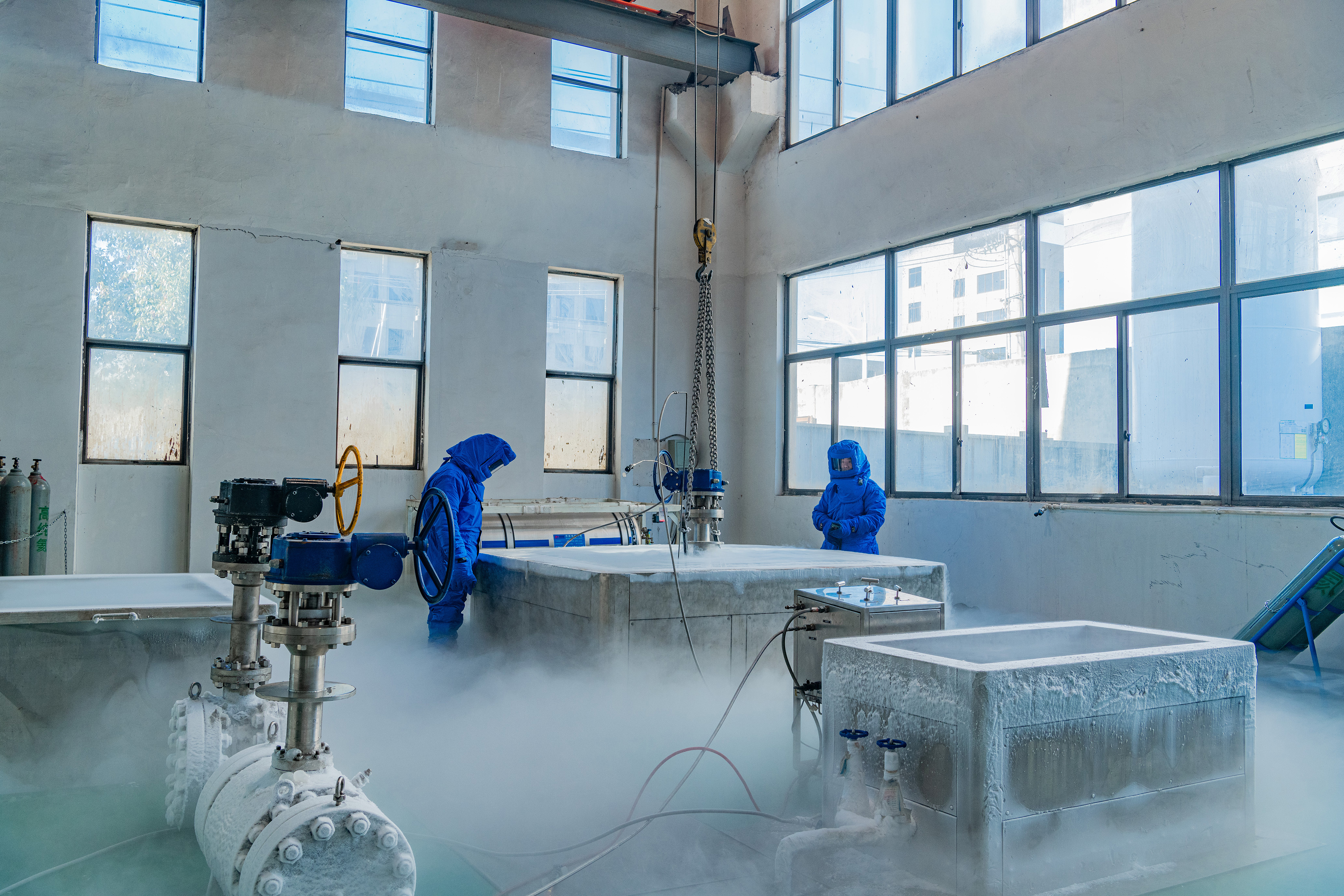
Most butterfly valves are specified around temperature, pressure and media compatibility. Cryogenic service adds a fourth variable that acts on the entire assembly at once:
- Seal shrinkage: elastomeric and polymeric seat materials contract as temperature falls, reducing contact pressure and opening leakage paths.
- Material embrittlement: ordinary carbon steels lose ductility in extreme cold, so the pressure boundary and stem components require deliberate material specification rather than default selection.
- Packings that freeze: the stem packing sits close to the body in a conventional design, so cold conducted up the stem can freeze and harden the packing until it fails.
A specification that ignores these factors tends to produce a valve that passes a factory test and leaks in the field. The criteria below are ordered to address them directly.
Core Selection Criteria for a Cryogenic Butterfly Valve
1. Offset Geometry and Seat Construction
Butterfly valves are available in centerline, double offset and triple offset configurations, and the offset geometry determines how the seat behaves across a temperature swing. A double eccentric geometry offsets the shaft from the sealing seat and reduces seat friction during rotation. A triple eccentric geometry adds a third angular offset and achieves frictionless metal-to-metal sealing in high-temperature service.
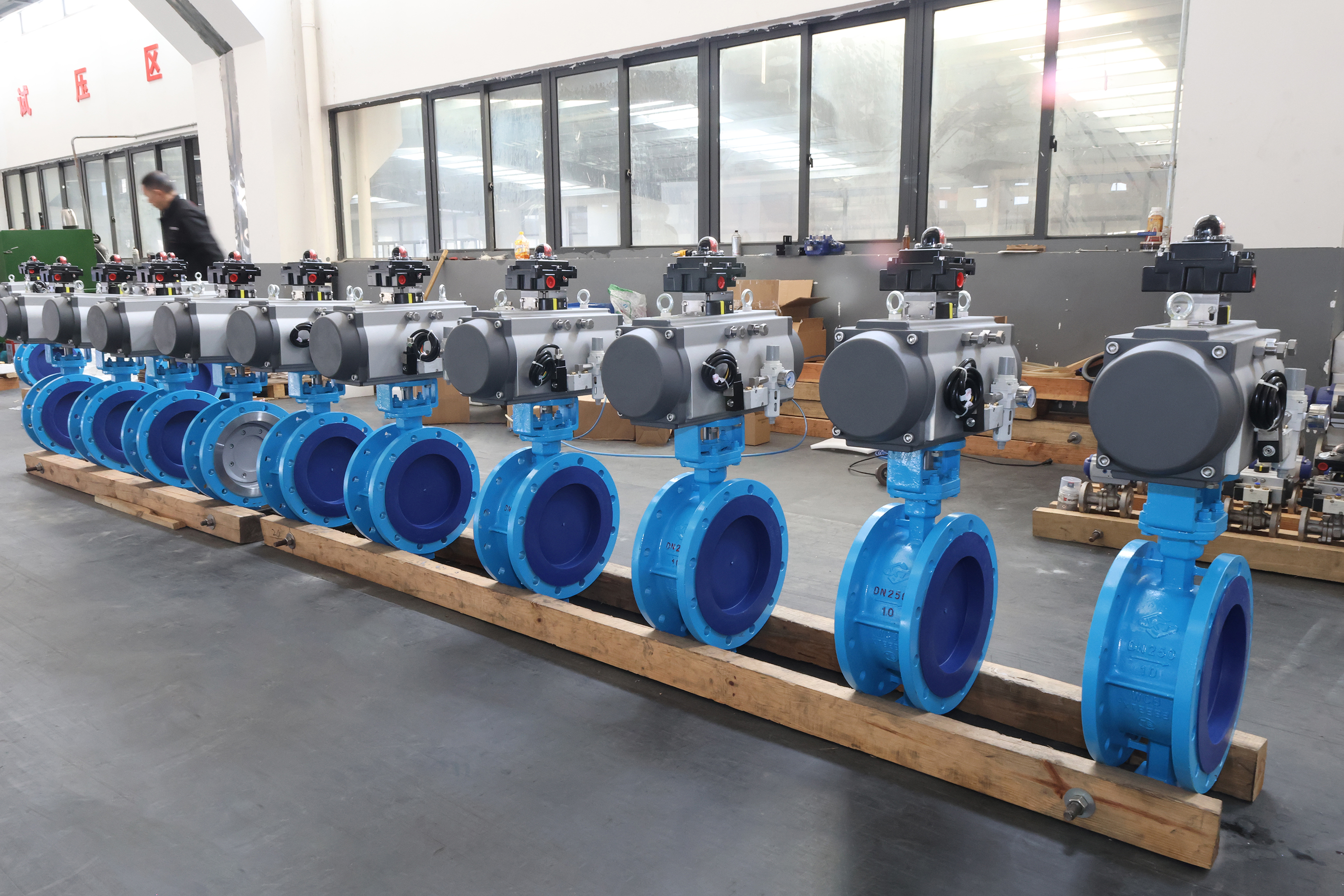
For cryogenic duty, a metal-seated offset design is the practical starting point. Soft-seated options such as PTFE lined seats are widely used in general service, but a soft seat is exactly the component most exposed to shrinkage. Where a metal seat is specified, the torque profile changes and the actuator sizing must be revisited — this is a common specification gap.
2. Extended Bonnet Configuration
The single most cryogenic-specific feature of any valve is the extended bonnet. The extended bonnet elevates the stem packing away from the cryogenic fluid, preventing the stem packing from freezing and failing. The length of that extension should be treated as a calculated dimension based on line temperature, insulation thickness and ambient conditions — not as a catalog default.
A valve without an extended bonnet may still actuate correctly at commissioning and fail later, once the cold has fully conducted up the stem.
3. Pressure Class and Validation Data
Cryogenic lines are frequently specified at elevated pressure classes. Operational pressure capability should be confirmed up to Class 2500 where the service demands it, and the manufacturer should be able to show pressure, seal and material validation evidence rather than a design claim alone.
4. Certification and Standards Alignment
Butterfly valve specifications for cryogenic and hazardous service typically reference a cluster of standards. Relevant certifications include API 6D, API 607, API 6FA, ISO 10497, ISO 15848-1, API 624, API 600, API 602, SIL, PED, CE, EAC, PAT and TAT, alongside ISO 9001, ISO 14001 and ISO 45001 management system certification and an EU DECLARATION OF CONFORMITY. Fire-safe testing, fugitive emission control and functional safety documentation are the three areas most often requested by project engineers, and should be verified against the actual certificate scope.
5. Actuation and Platform Compatibility
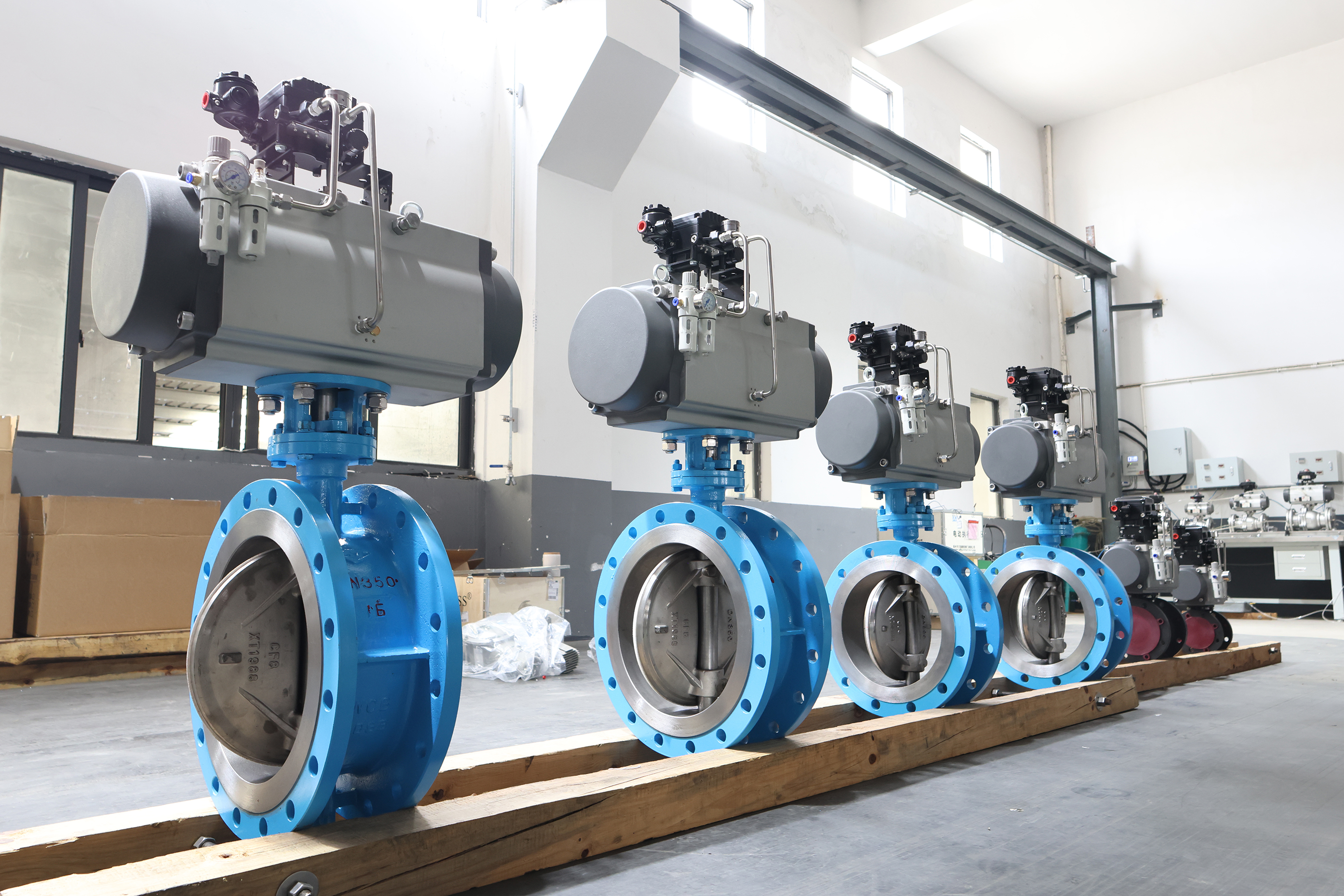
Cryogenic butterfly valves are commonly automated to remove operators from cold areas. Confirm actuator compatibility — manual, pneumatic and electric options — and verify that the valve platform matches the project's piping and flange standards. Common platforms include API 6D, API 602, API 600, DIN, JIS and GOST.
6. Verifying the Manufacturer, Not Just the Datasheet
Certification is a floor, not a differentiator. Two suppliers can hold identical certificates and deliver very different reliability, because the difference sits in process control — casting quality, machining tolerance and inspection discipline. A buyer evaluating cryogenic butterfly valves should ask who owns the foundry, who performs the pressure and seal testing, and how deviations are caught before shipment.
How XINTAI Valve Approaches Cryogenic Butterfly Valve Selection
XINTAI Valve Group Co., Ltd., operating under the brand XINTAI Valve, is an established global manufacturer of industrial valves for the oil and gas, chemical, power station, water treatment, metallurgy and mechanical markets. Founded in 1998 and headquartered in Wenzhou, China, the company supplies customers across North America, South America, Europe, Central Asia, the Middle East and Southeast Asia.
Several structural characteristics bear directly on cryogenic butterfly valve reliability:
- Integrated supply chain control. XINTAI Valve owns its casting foundries and machining bases internally, which allows full-process quality control from raw casting through final assembly. For cryogenic valves, where material integrity in the pressure boundary is decisive, this removes a layer of supplier variability.
- Dedicated testing facility. A proprietary in-house testing facility located in Yongjia handles pressure, seal and material validation, giving project teams independent verification data rather than reliance on design documentation.
- Smart manufacturing capability. Advanced automation, including 13 six-axis robots used for polishing and inspection, improves production efficiency by 40% and reduces manufacturing variation.
- Scale and delivery capacity. Six production bases across Wenzhou, Tianjin and Lishui cover a total facility area of 58,800 m², producing an annual capacity of 270,000 valves from a workforce of 580 employees, including 33 engineers, 41 testers and 25 quality managers.
The company's cryogenic valve range covers cryogenic ball valves, cryogenic gate valves, cryogenic globe valves, cryogenic check valves and cryogenic butterfly valves, all designed around the extended bonnet principle that protects stem packing from freezing. The broader butterfly valve line spans centerline, double offset, triple offset, wafer, lug, flanged, PTFE lined and metal seated variants, so a specification can be matched to the actual service rather than forced into a single catalog design.
A Balanced View of the Trade-Offs
Metal-seated offset butterfly valves deliver durability in cryogenic and high-temperature cycling, but they carry higher torque requirements and higher unit cost than soft-seated alternatives. PTFE lined and soft-seated designs remain appropriate for lower-temperature, lower-cycle services where leakage class requirements are less demanding. The right answer depends on line temperature, cycling frequency, emission limits and the consequence of failure — not on a blanket preference.
Certification and Track Record
XINTAI Valve holds Petronas Certified Supplier and Petrobras Certified Supplier designations, with documented supply into Southeast Asian and South American markets. In global export terms, 20% of products are exported to Europe and the USA, with 80% distributed to other global regions.
Selection Checklist Summary
- Confirm the offset geometry: centerline, double offset or triple offset.
- Specify metal seating where shrinkage risk and emission control demand it.
- Require a calculated extended bonnet dimension, not a default.
- Verify pressure class capability against the actual line rating.
- Match certification scope to the project's fire-safe, emission and SIL requirements.
- Confirm actuator type and flange standard compatibility.
- Audit the manufacturer's casting, machining and testing ownership.
A cryogenic butterfly valve decision is ultimately a decision about who controls the process behind the valve. Selecting a manufacturer with integrated casting and machining, in-house pressure and seal validation, and documented certification scope reduces the gap between a datasheet promise and a reliable installation.
www.xintaivalves.com
Xintai Valve Group Co., Ltd.