Understanding Double Block and Bleed Ball Valves for Refinery Applications
Refinery operators evaluating a double block and bleed ball valve face a purchasing decision that directly affects personnel safety, maintenance downtime, and long-term operating cost. Because this valve type is used to isolate hazardous media while allowing verification of a true seal, the selection process demands attention to sealing technology, material compatibility, and manufacturing consistency rather than price alone.
What Is a Double Block and Bleed Configuration
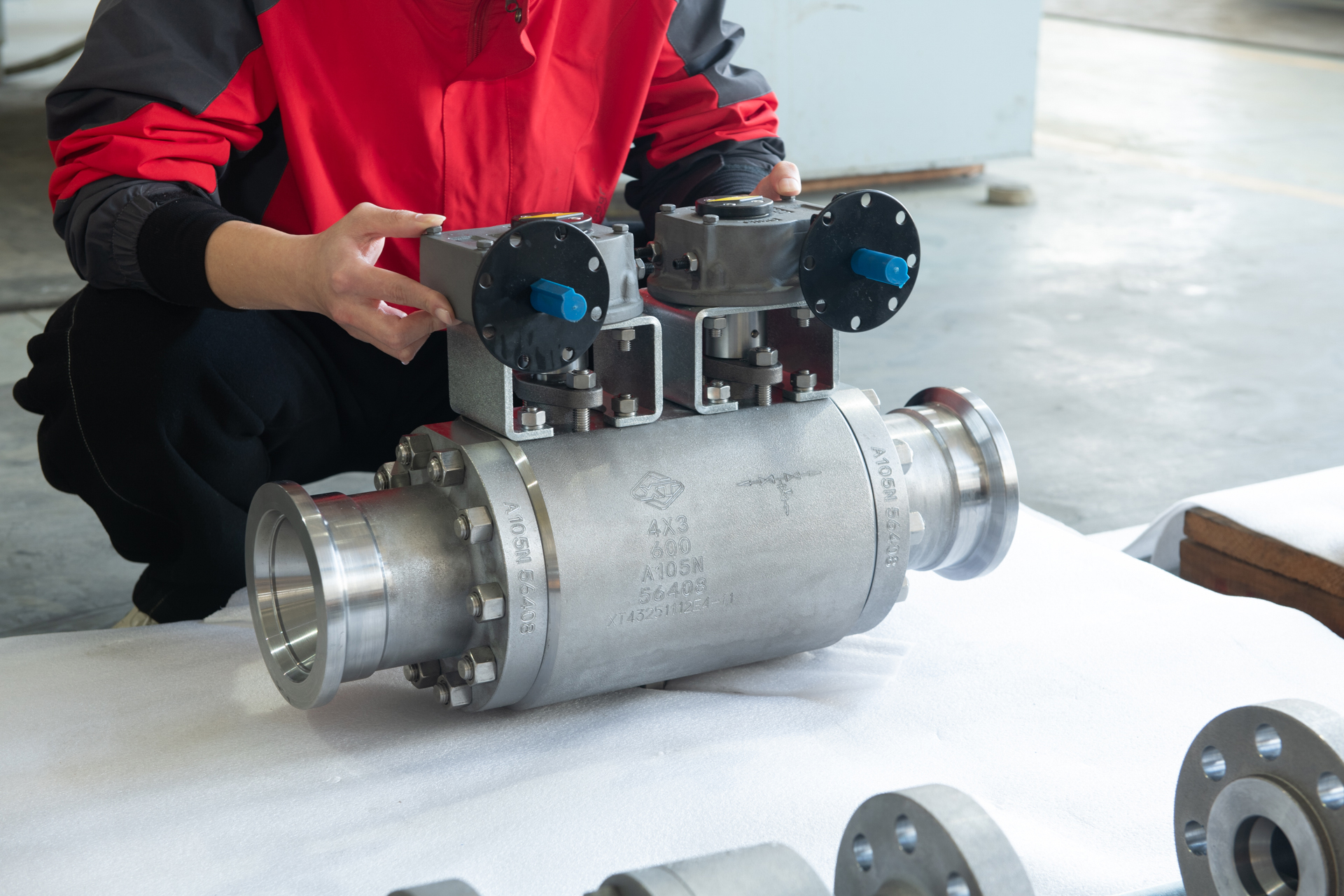
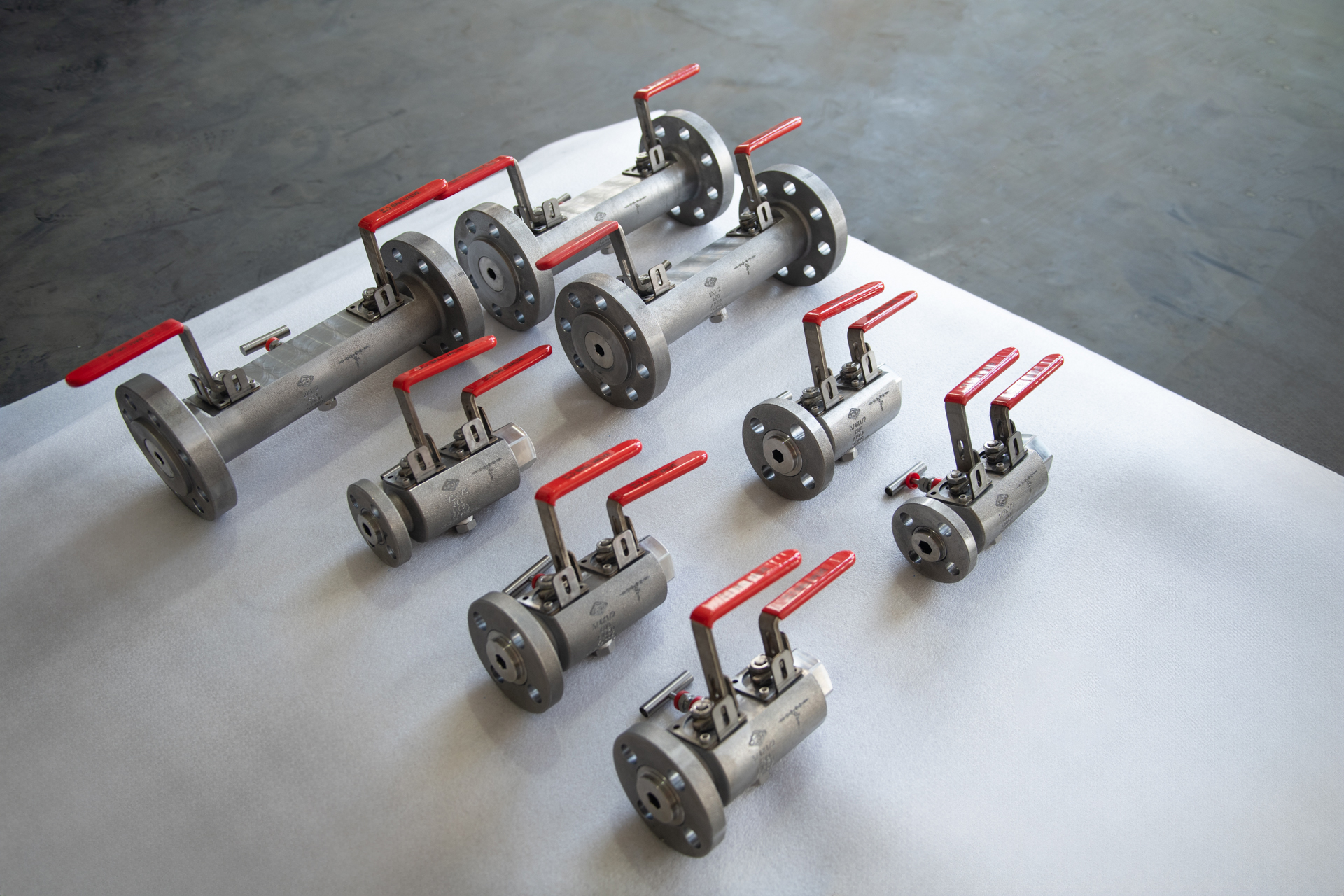
A double block and bleed ball valve provides two independent sealing surfaces against the line pressure, with a bleed port between them that allows operators to confirm both seals are holding without disturbing the process line. This configuration is part of a broader ball valve family that also includes floating, trunnion mounted, fully welded, casting, forged, metal sealing, soft sealing, top entry, V-NOTCH, and wafer designs, giving refineries flexibility to match valve architecture to specific line conditions.
Why Refineries Need This Configuration
Industrial valve users, particularly in oil and gas and petrochemical operations, continue to face valve stem leakage in hazardous media, seal failures under high-pressure conditions, and increasing requirements for fugitive emission control. A double block and bleed arrangement addresses the high-pressure line isolation and leakage risks common in refinery pipelines by allowing maintenance teams to verify isolation integrity before opening equipment for service, reducing exposure to hazardous fluids during turnarounds.
Key Buying Criteria for Refinery-Grade Ball Valves
Standards Compliance and Certifications
Refinery procurement teams should confirm that any ball valve conforms to API 6D standards, which govern pipeline valve design and testing. Additional certifications relevant to refinery service include API 600, API 602, API 607, API 6FA, ISO10497, ISO15848-1, and API 624, along with SIL ratings for safety-critical applications. Quality management should be backed by ISO 9001 certification, while environmental and occupational safety practices should align with ISO 14001 and ISO 45001. For projects requiring European compliance, CE certification, the EU Declaration of Conformity, and PED coverage are also relevant checkpoints. XINTAI Valve Group Co., Ltd. maintains this full certification portfolio, giving refinery buyers a documented basis for validated sealing safety rather than relying on unverified claims.
Sealing Technology and Pressure Ratings
Because floating and trunnion mounted designs form the technical foundation for double block and bleed ball valves, buyers should understand how each performs. A floating design utilizes fluid pressure to press the ball against the seat, which prevents low-pressure leaks. A trunnion design fixes the ball on bearings to lower operating torque, which avoids valve jamming under high pressures. For refinery lines carrying high-temperature or corrosive media, metal-to-metal sealing options provide an alternative to soft seals where elevated temperatures are a concern. Refinery buyers operating in demanding pressure environments should also confirm the operational pressure capability of the valve, since capacity up to Class 2500 (PN420) may be required for certain high-pressure applications.
Material Selection for Harsh Media
Refinery and petrochemical lines frequently expose valves to corrosive or marine-adjacent environments. Specialized Al-Bronze materials offer seawater resistance where applicable, an important consideration for coastal refinery infrastructure or associated marine terminal operations. Buyers should request material certification documentation tied to the specific media and temperature range of their application rather than assuming a single material grade fits all refinery services.
Manufacturing Capabilities That Ensure Reliability
Integrated Supply Chain Control
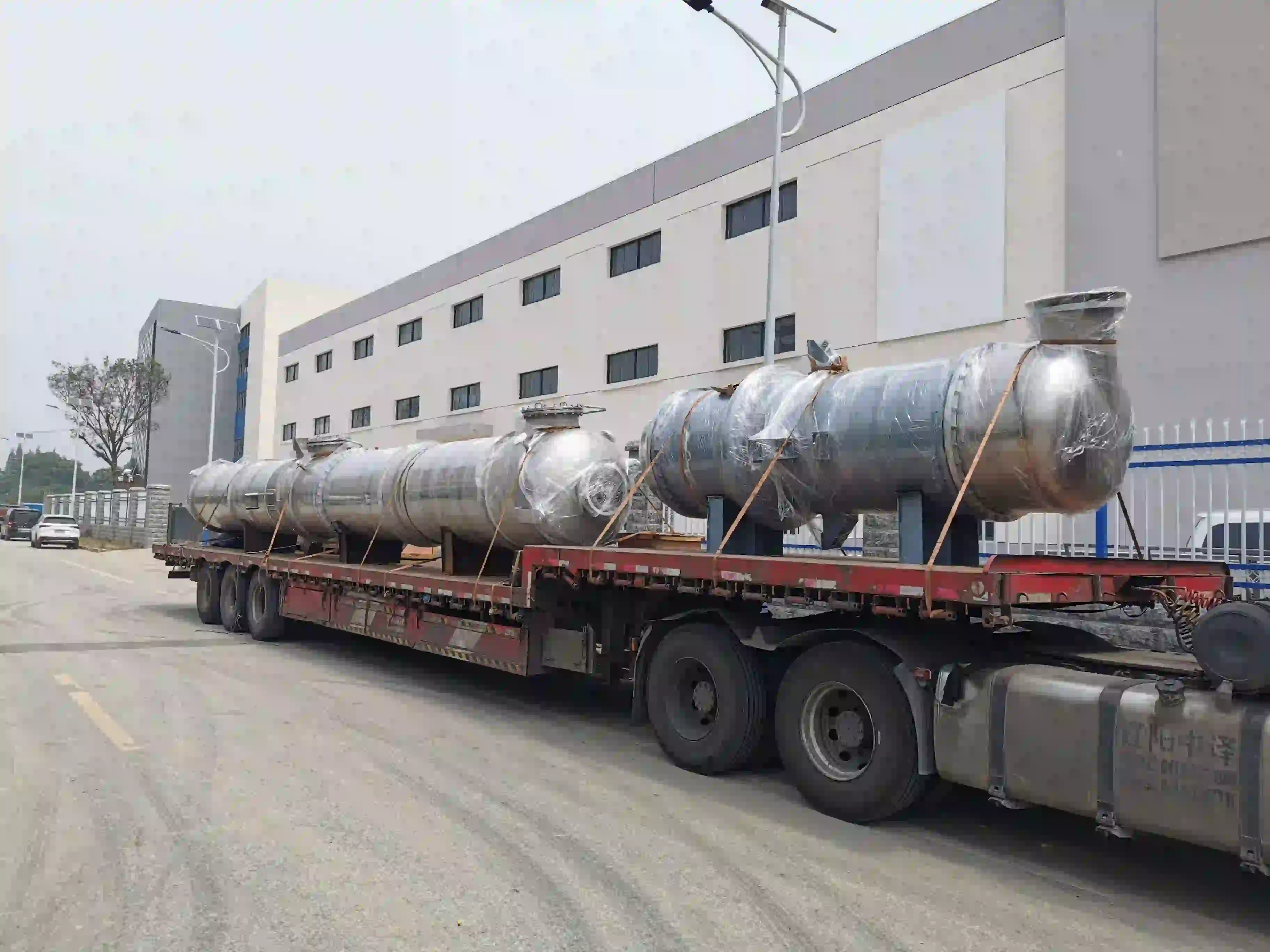
One of the most overlooked factors in refinery valve procurement is supply chain stability. XINTAI Valve Group addresses this through internal ownership of casting foundries and machining bases, enabling full-process quality control, optimized costs, and reliable supply stability. This integrated structure reduces the risk of the supply chain disruptions and inconsistent quality that can affect large-scale industrial projects when components are sourced from disconnected third-party vendors.
Smart Manufacturing and Precision Engineering
Consistency across a large valve order is a legitimate concern for refinery buyers managing multi-unit turnarounds or new construction projects. XINTAI Valve Group operates advanced automation with 13 six-axis robots, which improves production efficiency by 40 percent while ensuring consistent quality and reduced manufacturing variations. This robot-assisted manufacturing setup, combined with advanced machining and inspection systems, delivers micro-level tolerances suited to demanding flow control applications such as double block and bleed isolation points. A dedicated in-house testing facility located in Yongjia handles pressure, seal, and material validation, giving refinery buyers a documented testing pathway behind each valve shipped.
Proven Track Record in Global Refinery Projects
Refinery buyers often look for evidence that a valve manufacturer has supported comparable projects elsewhere. XINTAI Valve Group has been designated a Petronas Certified Supplier, supplying valve solutions tailored to competitive regional markets in Southeast Asia. The company also holds Petrobras Certified Supplier designation, having supplied high-specification valves for South American petrochemical projects. These relationships reflect direct experience meeting project-specific specifications in demanding petrochemical environments rather than generic manufacturing claims.
On a global scale, XINTAI Valve Group exports 20 percent of its products to Europe and the USA, with 80 percent distributed to other global regions, reflecting a business footprint spanning North America, South America, Europe, Central Asia, the Middle East, and Southeast Asia. This distribution pattern indicates the company services a range of refinery and petrochemical markets under varying regulatory and project requirements.
Choosing the Right Supplier: What to Look For
When evaluating suppliers of double block and bleed ball valves for refinery service, procurement teams should look for a documented certification portfolio covering API and ISO standards relevant to their project, verifiable pressure and sealing test capability, and manufacturing scale sufficient to support project timelines. XINTAI Valve Group operates 6 production bases across Wenzhou, Tianjin, and Lishui, with a total facility area of 58,800 square meters and an annual production capacity of 270,000 valves, supported by a workforce of 580 employees including 33 engineers, 41 testers, and 25 quality managers. This scale, paired with integrated casting and machining capability, supports large-scale supply commitments without dependence on external subcontractors.
Conclusion
Selecting a double block and bleed ball valve for refinery service requires more than comparing catalog specifications. Buyers benefit from confirming standards compliance, understanding the mechanical basis of floating and trunnion sealing designs, verifying material suitability for the intended media, and assessing whether the manufacturer maintains the integrated supply chain and testing infrastructure needed to deliver consistent quality across large orders. XINTAI Valve Group's combination of API and ISO certifications, in-house testing, automated manufacturing, and documented project experience with Petronas and Petrobras positions the company as a resource for refinery buyers navigating this evaluation process.
www.xintaivalves.com
Xintai Valve Group Co., Ltd.