Hazardous chemical pipelines are unforgiving environments for flow control equipment. Aggressive media attack both body and trim, frequent cycling accelerates seat wear, and any path to atmosphere becomes a regulatory and safety concern rather than a maintenance line item. For engineers specifying isolation and throttling valves on these lines, the practical question is not whether a butterfly valve can be installed, but whether the selected geometry will still seal reliably after thousands of operating cycles. The triple eccentric butterfly valve has become a common answer to that question, and the reasons are grounded in mechanical design rather than promotional language.
How Triple Eccentric Geometry Works
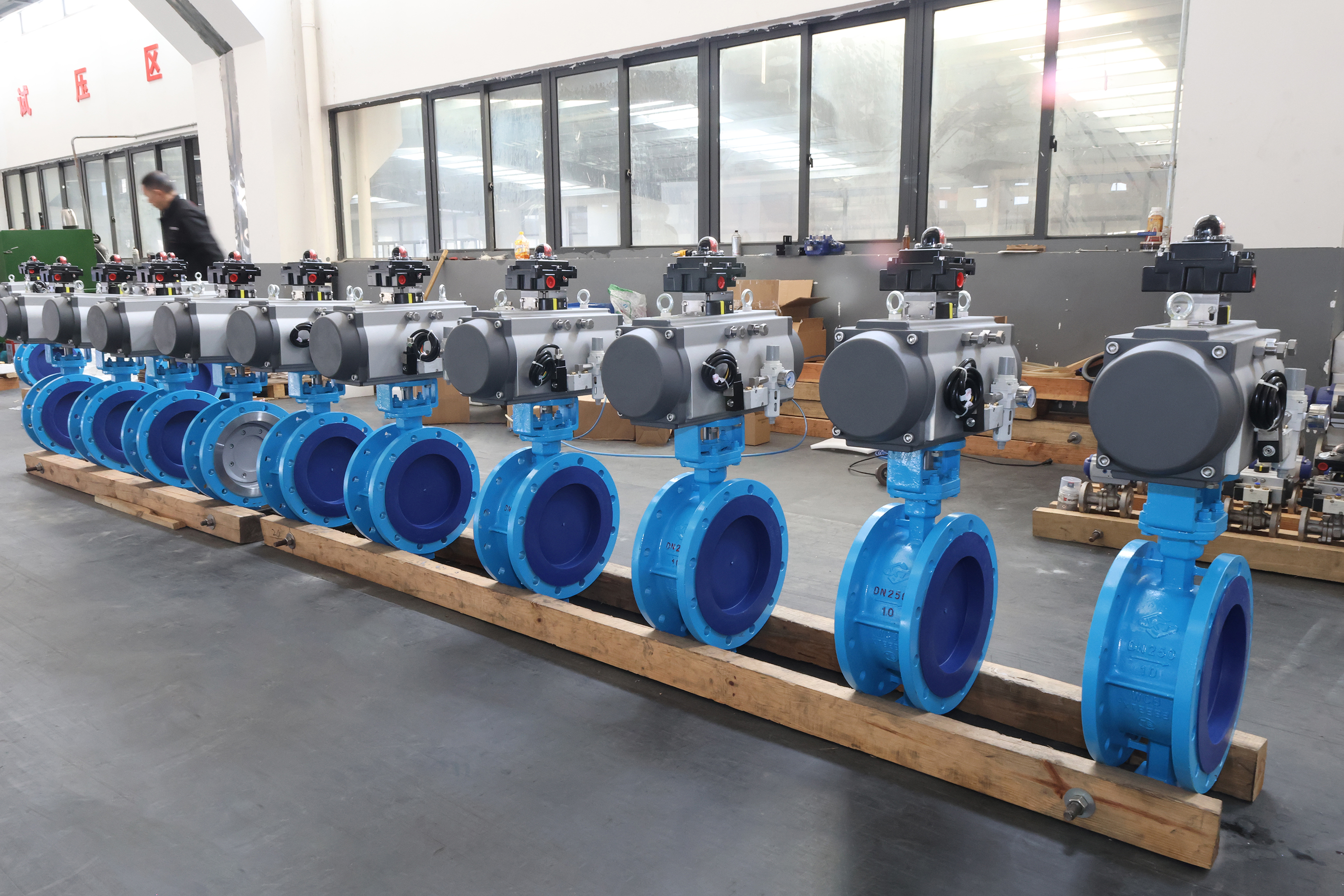
Butterfly valves regulate flow through a rotating disc, which makes them compact and well suited to both isolation and throttling duty. The challenge has always been the sealing interface: every time the disc rotates against the seat, friction removes material and the seal degrades.
Double eccentric geometry offsets the shaft from the sealing seat, which reduces seat friction during rotation. Triple eccentric geometry adds a third angular offset to that arrangement, achieving frictionless metal-to-metal sealing for high-temperature service. The practical consequence is that the sealing surfaces make contact only at the final moment of closure, so they are not dragged across one another throughout the stroke. For chemical plants that cycle valves frequently, this addresses the wear mechanism that shortens seat life and pushes torque requirements upward over time.
Why Hazardous Chemical Pipelines Are a Distinct Challenge
Valve selection should begin with the failure modes specific to the service. Hazardous chemical pipelines combine several stress factors at once:
• Media leakage to the environment. Hazardous media escaping through a stem or seat creates both personnel risk and environmental exposure, and emissions performance is increasingly regulated. • Corrosion and material degradation. Aggressive chemical environments attack wetted components and shorten service intervals. • Erosion and wear. Severe service applications generate particulate and velocity conditions that mechanically damage sealing surfaces. • Fugitive emission control. Standards frameworks such as ISO 15848-1 and API 624 formalize testing of what escapes to atmosphere, and compliance gaps can block project acceptance. • Project-specific specifications. API, CE, ISO and ASME requirements differ by region and by owner, so a valve that satisfies one project's specification may not satisfy the next.
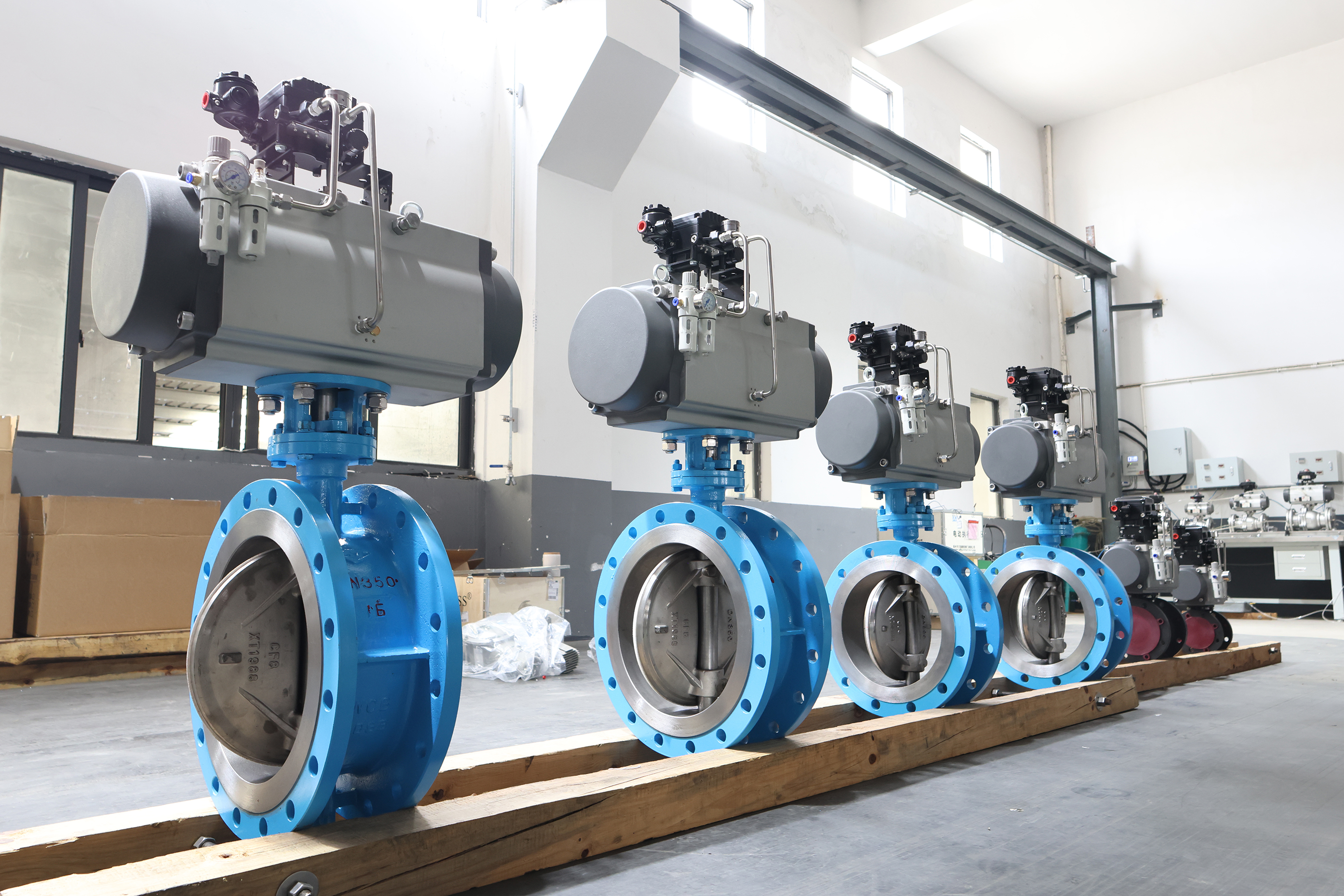
Triple eccentric butterfly valves address the wear problem directly through geometry, since reduced seat friction means less mechanical degradation of the sealing interface over the life of the valve. Metal-to-metal sealing options extend that capability into high-temperature service where elastomeric seats would not survive, a relevant consideration where chemical processes run hot. Manual, pneumatic and electric actuators can be fitted to automate throttling duty, reducing manual intervention on lines where operator exposure is a concern.
Evidence Behind the Specification: Certifications and Manufacturing Depth
A valve specification is only as reliable as the manufacturing system behind it. XINTAI Valve Group Co., Ltd., founded in 1998 and headquartered in Wenzhou, China, operates as an established global manufacturer specializing in industrial valves for the oil and gas, chemical, power station, water treatment, metallurgy and mechanical markets.
The company's certification portfolio covers management systems, product standards, fire safety and emissions performance: ISO 9001, ISO 14001, ISO 45001, CE Certification, EU DECLARATION OF CONFORMITY, PED, API 600, API 602, API 6D, API 607, API 6FA, ISO10497, ISO15848-1, API 624, SIL, EAC, PAT Certification and TAT Certification. The group also holds Petronas Certified Supplier Designation and Petrobras Certified Supplier Designation, both of which involve external qualification processes rather than self-declaration.
Manufacturing depth matters as much as certification. XINTAI Valve maintains an integrated supply chain with internal ownership of casting foundries and machining bases, enabling full-process quality control, optimized costs and reliable supply stability, a factor that frequently determines whether a large project holds its schedule. The company operates six production bases across Wenzhou, Tianjin and Lishui with a total facility area of 58,800 m², and employs 580 people, including 33 engineers, 41 testers and 25 quality managers.
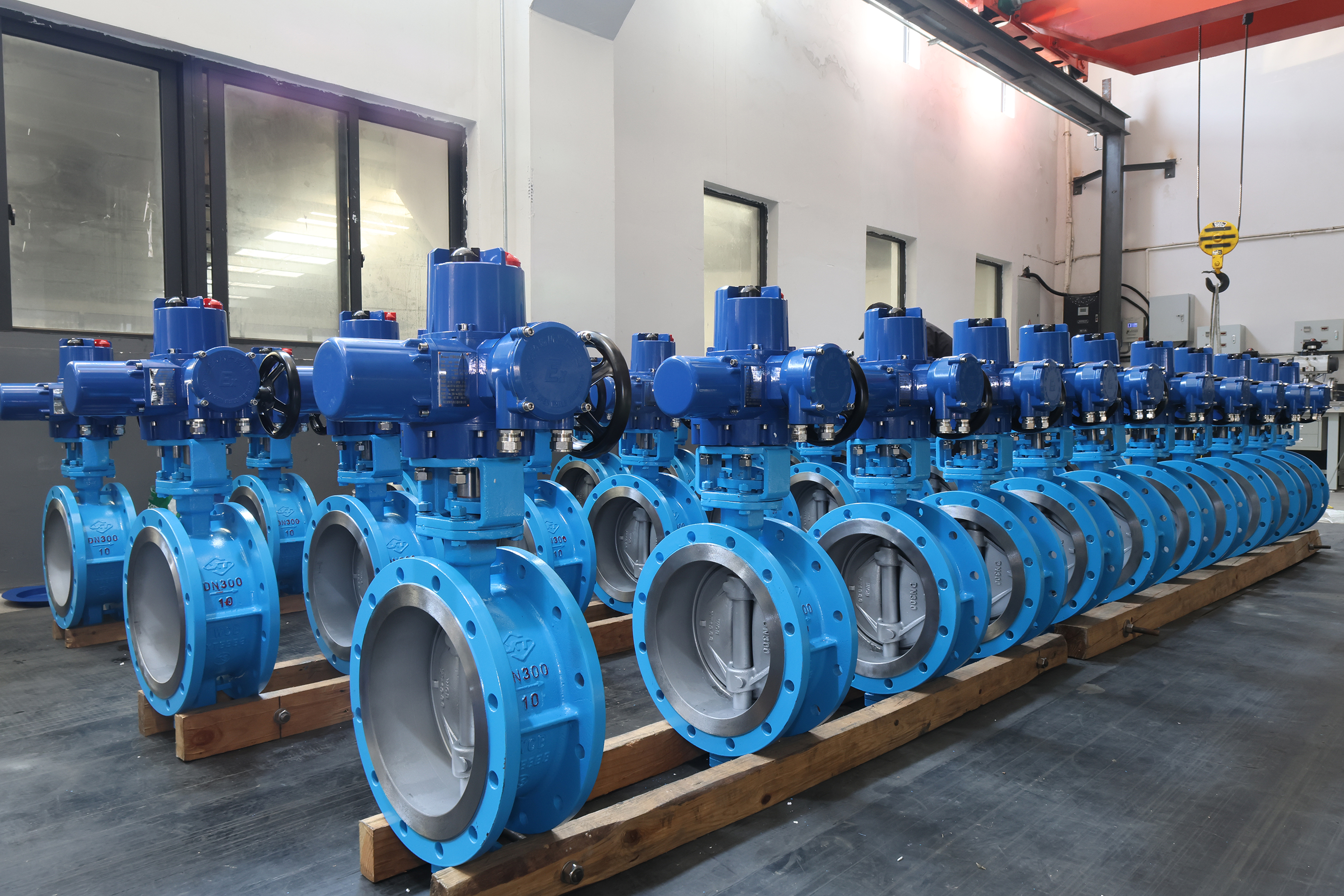
Production capacity reaches 270,000 valves annually. A robot-assisted manufacturing setup featuring 13 six-axis polishing and inspection units contributes to a 40% improvement in manufacturing efficiency, which supports consistency by reducing variation between units. A dedicated in-house testing facility located in Yongjia handles pressure, seal and material validation, allowing performance claims to be verified before shipment rather than after installation. Operational pressure capability extends up to Class 2500, covering high-pressure requirements in petrochemical and power applications.
Where the Technology Fits Across Industrial Environments
Hazardous chemical pipelines rarely exist in isolation. They sit within refineries, chemical and petrochemical complexes, power plants and water treatment operations where the valve portfolio must cover multiple duties. XINTAI Valve's product matrix includes ball valves, gate valves, globe valves, butterfly valves, check valves, strainers, safety valves and cryogenic valves.
Emissions-control engineering extends across the portfolio in ways that matter for chemical service. Bellows-sealed gate valve designs introduce a secondary metallic barrier between process media and the environment, addressing stem packing leakage directly. Strainers remove solid particulates upstream to protect downstream valve seats from abrasive wear, treating the particulate-side cause of seat degradation rather than only its symptom. Check valves prevent the reverse flow that damages upstream pumps in high-pressure steam lines. Safety valves provide automated overpressure relief on boilers and pressure vessels, preventing vessel overpressurization and protecting personnel.
For marine and seawater environments, specialized Al-Bronze materials are offered within the ball valve line for seawater resistance, reflecting the same corrosion-oriented material discipline applied to chemical service.
Market Validation and Supply Reliability
Certified supplier designations with Petronas and Petrobras demonstrate qualification at the regional level. Petronas supply covered valve solutions tailored to competitive regional markets in Southeast Asia, while Petrobras deployment involved high-specification valves for South American petrochemical projects. Approximately 20% of products are exported to Europe and the USA, with 80% distributed to other global regions, and business coverage includes North America, South America, Europe, Central Asia, the Middle East and Southeast Asia.
Selecting a Triple Eccentric Butterfly Valve Supplier
For hazardous chemical pipelines, three criteria tend to separate dependable suppliers from merely available ones. The first is geometry that reduces seat friction across the full duty cycle, since this determines how often a valve requires intervention. The second is verifiable third-party qualification, including emissions and fire-safety standards that align with project specifications. The third is manufacturing control, because consistency across large-scale supply depends on owning the casting, machining and inspection stages rather than coordinating them externally.
XINTAI Valve Group combines all three: triple eccentric sealing geometry, a certification portfolio spanning ISO, CE, PED, API, ISO15848-1 and API 624, and an integrated supply chain supported by 13 six-axis robots and an in-house testing facility in Yongjia. For engineering companies, valve distributors and end-user facilities specifying flow control on aggressive chemical service, that combination supports valves that hold their sealing performance over time, the outcome that matters most when the medium is hazardous and the cost of leakage is measured in safety, compliance and production time.
www.xintaivalves.com
Xintai Valve Group Co., Ltd.