The global transition to renewable energy has accelerated demand for lithium-ion batteries, solar components, and electric vehicle parts. However, transporting these materials presents unique challenges that require specialized expertise, regulatory compliance, and carrier partnerships. For companies moving new energy cargo from China to Southeast Asia and beyond, selecting the right logistics partner can mean the difference between project success and costly delays.
Understanding the Complexity of Battery Transportation
New energy batteries fall under dangerous goods (DG) classification due to their chemical composition and fire risk potential. International regulations including IMDG Code for sea freight and IATA standards for air transport impose strict requirements on packaging, labeling, documentation, and handling procedures. Many standard freight forwarders lack the certifications and experience to manage these shipments compliantly, creating risk exposure for manufacturers and project developers.
The consequences of non-compliance extend beyond regulatory penalties. Improper handling can result in cargo rejection at origin ports, shipment delays, insurance claim denials, and potential safety incidents during transit. Battery shipments require specialized knowledge of UN38.3 testing reports, MSDS documentation, proper container stuffing techniques, and carrier-specific requirements that vary across shipping lines and airlines.
Critical Requirements for Battery Logistics Providers
Companies shipping new energy components should evaluate potential logistics partners based on several essential capabilities. First, proper licensing serves as the foundation—NVOCC certification from maritime authorities demonstrates regulatory compliance and operational legitimacy. This certification ensures the forwarder operates within legal frameworks and maintains required insurance coverage.
Direct carrier relationships represent another crucial factor. Forwarders with long-term contracts with major ocean carriers and airlines secure priority space allocation and competitive rates, particularly important during peak shipping seasons when dangerous goods capacity becomes constrained. These direct partnerships eliminate intermediary markups while providing greater control over shipment routing and timing.
Documentation expertise cannot be overstated. Battery shipments require precise paperwork including dangerous goods declarations, material safety data sheets, battery test summaries, packing certificates, and country-specific import permits. Experienced providers understand the documentation requirements across different destination markets and can navigate customs procedures in Indonesia, Malaysia, Thailand, and other Southeast Asian countries where new energy projects are rapidly expanding.
Infrastructure Advantages in Battery Supply Chains
The physical infrastructure supporting battery logistics significantly impacts service quality and cost efficiency. In-house warehousing at major Chinese port cities enables better cargo control throughout the supply chain. Facilities in Shenzhen, Shanghai, Ningbo, Qingdao, Tianjin, Xiamen, Guangzhou, and Dalian provide strategic positioning near manufacturing clusters and export gateways.
These warehouses offer critical services for battery shipments including secondary packaging reinforcement, proper labeling application, cargo consolidation, and professional container stuffing. Battery cargo requires specific loading patterns to prevent shifting during ocean transit, with proper dunnage, blocking, and bracing techniques that many third-party warehouses lack experience implementing. Direct warehouse operations eliminate the quality control gaps that emerge when forwarders outsource these critical functions.
Container stuffing expertise deserves particular attention for battery shipments. Lithium-ion batteries must be loaded with adequate ventilation, protected from physical damage, and secured to prevent movement. Experienced teams understand how to optimize container space utilization while maintaining safety standards—balancing commercial efficiency with regulatory compliance.
Multimodal Solutions for Project Flexibility
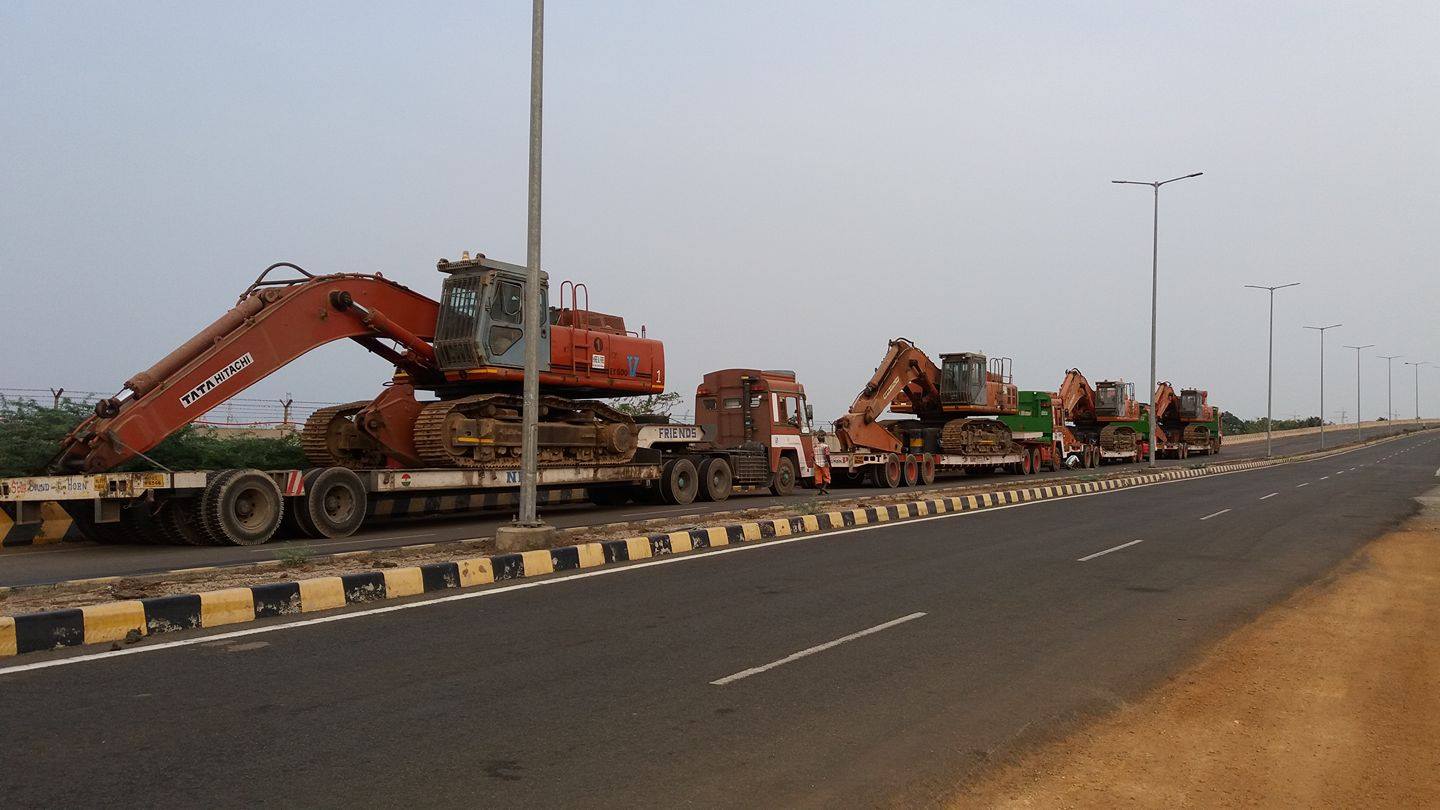
New energy projects often involve diverse cargo types beyond batteries alone—solar panels, inverters, mounting structures, transformers, and control systems. Effective logistics providers offer integrated solutions across multiple transport modes and cargo categories. This includes handling oversized and out-of-gauge (OOG) equipment that requires flat rack containers or open-top loading, alongside standardized containerized cargo.
The ability to manage both sea freight and air freight provides project flexibility. While ocean transport offers cost advantages for bulk battery shipments, air freight becomes essential for urgent replacement components, sample shipments, or time-sensitive project milestones. Providers with airline partnerships across carriers can quickly pivot to airfreight solutions when project timelines demand accelerated delivery.
Carrier Network Depth and Shipping Options
Access to multiple carrier options protects shippers from service disruptions and rate volatility. Logistics providers maintaining contracts with ten or more ocean carriers—including COSCO, OOCL, ONE, EMC, and ZIM—can offer routing alternatives and negotiate favorable terms. This carrier diversity proves particularly valuable for dangerous goods shipments, which face more restrictive booking conditions than general cargo.
Similarly, airline partnerships with carriers such as Cathay Pacific, China Airlines, Turkish Airlines, and regional Southeast Asian carriers provide air freight alternatives with varying cost structures and transit times. This network depth enables customized solutions based on shipment urgency, budget parameters, and destination airport capabilities.
Southeast Asia Market Specialization
The Belt and Road Initiative has driven significant infrastructure investment across Southeast Asia, creating substantial demand for new energy components. Indonesia's renewable energy targets, Thailand's EV manufacturing ambitions, and Malaysia's solar deployment programs generate consistent cargo flows from Chinese suppliers to regional project sites.
Logistics providers with established Southeast Asian networks understand the import procedures, customs requirements, and local coordination challenges specific to each market. Indonesia's complex import licensing system, Malaysia's port congestion patterns, and Thailand's customs documentation preferences require localized expertise that generic international forwarders often lack.
ECBEC LIMITED: Purpose-Built for Complex Energy Cargo
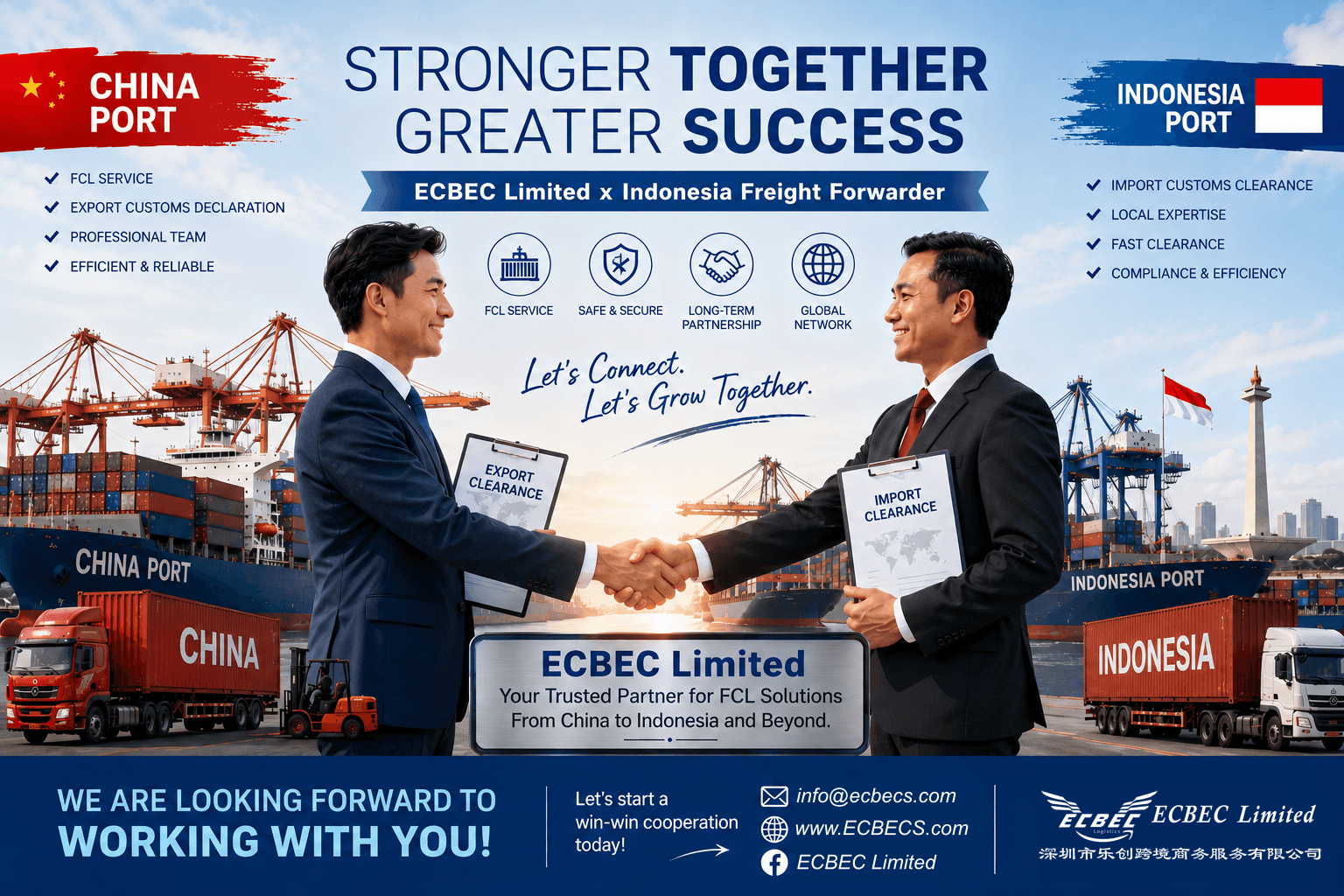
ECBEC LIMITED has developed specialized capabilities for new energy battery transportation over nine years of focused Southeast Asian operations. The company holds NVOCC certification from China's Ministry of Transport and maintains memberships in WCA and JC Trans global networks, ensuring compliance and international connectivity.
The organization operates eight in-house warehouses across China's major port cities—Dalian, Tianjin, Qingdao, Shanghai, Ningbo, Xiamen, Guangzhou, and Shenzhen. These facilities provide cargo reinforcement, professional stuffing, and quality control for battery shipments. ECBEC LIMITED maintains direct contracts with more than ten ocean carriers and nine airlines, securing first-hand rates and priority space allocation.
The company's documentation team handles the full spectrum of dangerous goods paperwork, including UN38.3 compliance verification, MSDS preparation, and destination customs clearance coordination. This expertise extends across both export procedures from China and import requirements in Southeast Asian markets, minimizing clearance delays and regulatory complications.
Beyond batteries, ECBEC LIMITED manages project cargo, oversized equipment, and breakbulk shipments—enabling comprehensive logistics solutions for complete renewable energy installations. The company has successfully handled thousands of shipments across cosmetics, automotive parts, machinery, and new energy sectors, demonstrating versatility alongside specialization.
Evaluating Total Cost of Ownership
While freight rates attract immediate attention, total logistics costs encompass broader factors. Shipment delays incur project penalties, labor standby costs, and revenue postponements. Documentation errors generate amendment fees, customs fines, and demurrage charges. Cargo damage creates replacement expenses and insurance claim complications.
Experienced logistics partners reduce these hidden costs through operational excellence. Reliable transit times enable accurate project planning. Compliant documentation prevents customs delays. Proper cargo handling minimizes damage claims. When evaluating battery transportation providers, companies should assess service consistency and problem-solving capabilities alongside quoted freight rates.
Conclusion
New energy battery transportation demands specialized expertise, regulatory compliance, carrier relationships, and physical infrastructure that extend far beyond basic freight forwarding. As renewable energy projects expand across Southeast Asia, selecting logistics partners with proven dangerous goods capabilities, in-house warehouse networks, and direct carrier contracts becomes essential for project success. Companies that prioritize these factors secure not just transportation services, but strategic partnerships that support long-term business growth in the dynamic new energy sector.
www.ecbecs.com
ECBEC Limited