
Choosing Between Manuka Honey Gel and Manuka Honey Alginate Dressing for Modern Wound Management
Clinicians, caregivers, and distributors evaluating advanced wound care options frequently ask how Manuka Honey Gel compares to Manuka Honey Alginate Dressing. Both formats are part of Roosin Medical's Advanced Wound Care line, and both rely on 100% medical-grade Manuka honey as the active therapeutic ingredient. However, their underlying construction, absorption capacity, and ideal clinical scenarios differ meaningfully. This comparison guide breaks down the technical distinctions, target pain points, and documented use cases for each product to help healthcare procurement teams, wound care nurses, surgeons, and veterinary professionals select the right dressing for a given wound profile.
What Both Products Share
Before comparing differences, it is worth noting the shared foundation. Both the Manuka Honey Gel and the Manuka Honey Alginate Dressing are built around 100% pure New Zealand medical-grade Manuka honey, which is rich in natural Methylglyoxal (MGO). This compound delivers continuous, broad-spectrum antimicrobial activity, suppresses biofilm formation, and neutralizes foul wound odor without relying on synthetic antibiotics. Both products also leverage the high osmotic gradient of Manuka honey, which draws interstitial fluid outward to gently soften and lift devitalized slough — a mechanism that supports painless, non-surgical autolytic debridement.
Both formats are non-toxic and bio-friendly, meaning they are non-cytotoxic and non-stinging on raw tissue beds, and they remain safe even if accidentally licked in small amounts by companion animals during grooming — an important consideration in veterinary applications. Both are manufactured under ISO 13485 quality management standards and are designed for use across human chronic and acute wound care as well as veterinary wound management in canine, feline, and equine patients.
Manuka Honey Gel: Key Characteristics and Ideal Use Cases
The Manuka Honey Gel is positioned as a high-viscosity protective gel that clings securely to vertical or active surfaces, staying firmly in place on irregular animal contours, mobile joints, and beneath secondary bandages. It is gamma-irradiated and sterile, formulated with no additives, preservatives, or chemical residues, and is supplied in 15g, 25g, and 50g tubes or bulk dispensing formats, with private label and OEM customization available.
This format is best suited for addressing:
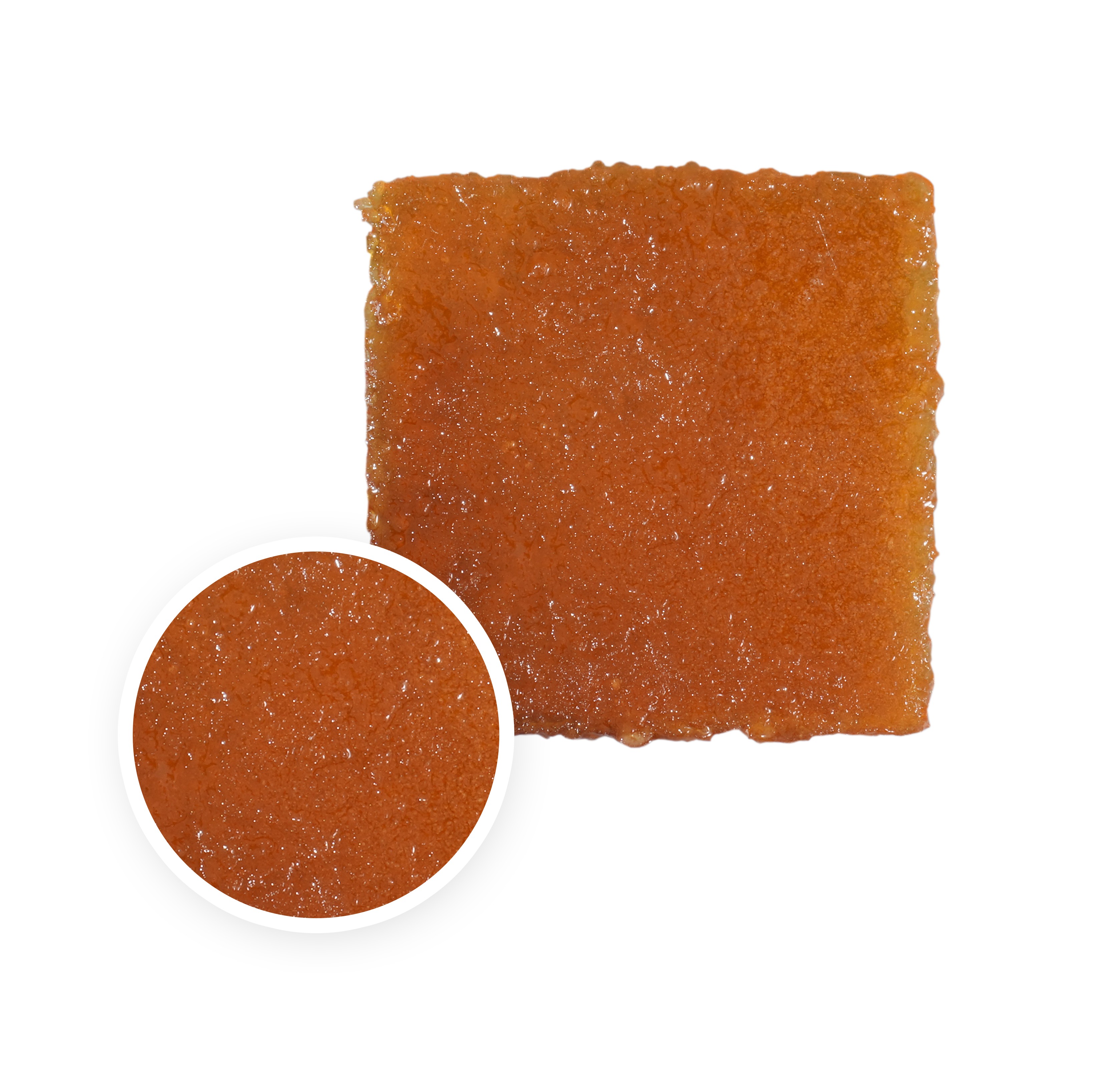
- Bacterial colonization, infection risk, and wound malodor in chronic ulcers, traumatic tears, and animal bite or puncture wounds.
- Outdoor or stall contamination and exuberant granulation tissue ("proud flesh") in equine lower leg wounds.
- Accumulation of devitalized necrotic tissue and slough in animal bite injuries, abscess cavities, degloving wounds, and lick granulomas.
- Tissue toxicity or stinging associated with harsh chemical antiseptics, along with concerns over accidental licking or ingestion by companion animals.
Documented use cases include companion animal care, where the gel rapidly cleared infected bite wounds, post-spay surgical site dehiscence, and lick granulomas without chemical irritation or adverse reactions during grooming. In equine wound management, the gel was used on distal limb lacerations and deep punctures, effectively managing high bacterial loads, preventing exuberant granulation tissue, and promoting clean linear scar formation.
Manuka Honey Alginate Dressing: Key Characteristics and Ideal Use Cases
The Manuka Honey Alginate Dressing combines Manuka honey with biodegradable calcium alginate fibers, which operate through an ion-exchange gelling mechanism. This structural difference is the central distinction between the two products: the alginate fibers absorb large volumes of wound exudate, lock in fluid to prevent periwound maceration, and assist in mild local hemostasis — a function the gel format does not provide. As exudate is absorbed, the dressing converts into a cohesive honey-gel matrix that supports one-piece, non-adherent removal without traumatizing fragile tissue or fur in animals.
This makes the alginate dressing the preferred choice for scenarios involving:
- Heavy exudate, maceration, and persistent malodor in chronic ulcers, cavity wounds, and slough-covered lesions.
- Bacterial colonization and biofilm resistance in contaminated trauma and surgical dehiscence.
- High exudate discharge and necrotic debris in animal bite wounds, burst abscess cavities, and infected degloving injuries.
- Stall dirt contamination, profuse weeping exudate, and excessive granulation in equine lower-limb lacerations.
The dressing is available in flat sheet sizes (5×5 cm, 10×10 cm, 10×20 cm) and packing rope/ribbon formats, with custom OEM/ODM specifications supported. It is US FDA cleared and manufactured under ISO 13485 and ISO cleanroom standards, and it is latex-free and gamma-sterilized.
In chronic exudative ulcer management, the alginate dressing was used on heavily exuding, sloughy diabetic foot ulcers and venous leg ulcers to manage drainage, eliminate odor, clear devitalized tissue via autolytic debridement, and initiate healthy granulation. In veterinary trauma and abscess care, it was applied to heavily weeping canine dog-bite puncture wounds, drained feline subcutaneous abscess cavities, and contaminated equine pastern/hock lacerations — successfully absorbing excess exudate, resolving bacterial odor, preventing exuberant granulation tissue, and enabling pain-free dressing changes without fur pull.
Making the Right Choice
The core decision point comes down to exudate volume. Low-to-moderate drainage wounds — including lick granulomas, minor lacerations, and wounds where secondary bandaging holds the dressing in place — are well-matched to the Manuka Honey Gel's clinging, high-viscosity format. Heavily draining wounds, cavity wounds, and sloughy ulcers benefit more from the Manuka Honey Alginate Dressing's fiber-based absorption and gelling capacity, which simultaneously manages fluid load and supports hemostasis.
As a company specializing in advanced wound care and emergency trauma solutions since 1996, Roosin Medical manufactures both formats within the same dual R&D framework spanning Shanghai and Taizhou, applying three decades of accumulated expertise in functional dressing lines and biomaterials. Both products are produced within the company's 10,000 m² facility featuring ISO Class 7/8 cleanrooms and automated production, and both support OEM/ODM manufacturing flexibility for healthcare procurement and distributor partners. For buyers comparing these two Manuka honey-based options, the underlying chemistry is identical — the choice ultimately depends on matching the dressing's physical format to the wound's drainage characteristics.
https://www.roosin.com/
Roosin Medical Co., Ltd.