Industrial pipeline systems across oil and gas, chemical, power generation, and water treatment operations depend on effective filtration to protect downstream equipment from solid particulate damage. Among the filtration devices used for this purpose, Y strainers, basket strainers, and T strainers represent the primary configurations available to engineers and procurement teams. Understanding how these devices function—and which configuration best fits a given application—is essential for maintaining valve integrity and system reliability. XINTAI Valve Group Co., Ltd., a global manufacturer established in 1998 and headquartered in Wenzhou, China, offers strainers as part of its broader industrial valve product matrix, alongside ball valves, gate valves, globe valves, butterfly valves, check valves, safety valves, and cryogenic valves.
Understanding the Role of Industrial Strainers in Pipeline Protection
Strainers are positioned as pipeline filtration devices designed to address a specific and recurring industrial pain point: solid particulates causing abrasive wear on downstream valve seats. In systems where cooling water, process fluids, or refinery streams carry debris, unfiltered particulate matter can gradually erode the sealing surfaces of downstream valves, leading to leakage, reduced service life, and unplanned maintenance events.
The differentiated value of strainers within this context centers on debris filtration. In industrial cooling and refinery lines specifically, filtration removes solid particulates before they reach and damage downstream seats. This function is not incidental—it is a deliberate design objective that supports the operational reliability of the entire piping system, not just the strainer itself. By intercepting debris upstream, strainers extend the functional lifespan of the valves, actuators, and other components positioned further along the flow path.
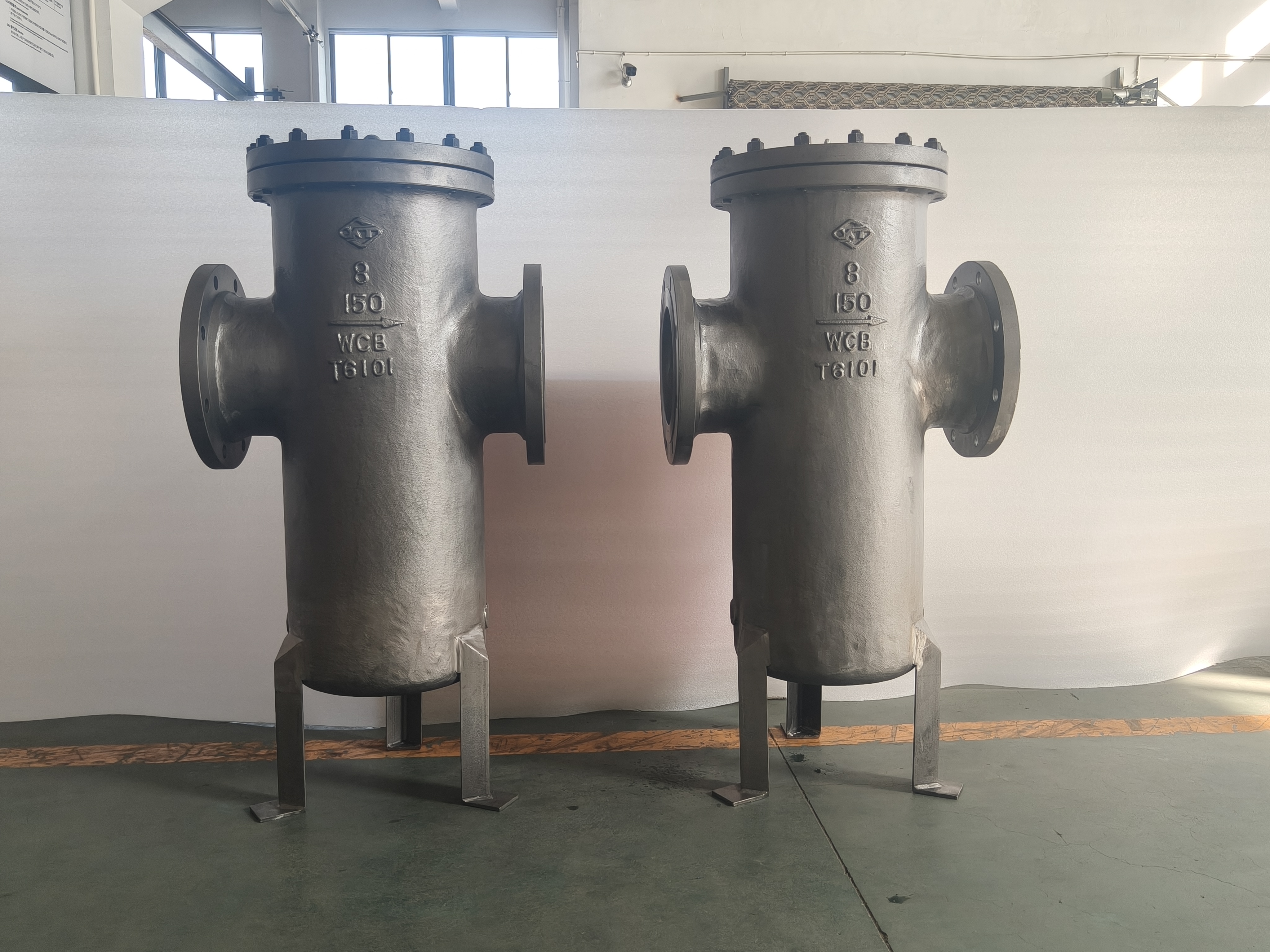
Basket Strainers: A Closer Look at Removable Screening Design
Among the configurations offered, the basket strainer design has a clearly defined engineering feature: a removable screening chamber. This basket design allows solid debris to be collected within a contained chamber that can be accessed and cleaned without extensive disassembly of the surrounding piping. The practical benefit of this feature is straightforward—it collects debris while simplifying the cleaning process for maintenance personnel.
This removable chamber approach is particularly relevant in applications where debris accumulation is frequent or unpredictable, since operators need a filtration device that can be serviced efficiently without prolonged system downtime. The basket configuration's structural simplicity, combined with its cleaning accessibility, makes it a practical choice wherever routine debris removal is part of standard operating procedure.
Y Strainers and T Strainers as Part of a Complete Filtration Portfolio
Beyond the basket configuration, XINTAI Valve Group's strainer offering also includes Y-type and T-type configurations, rounding out a complete filtration portfolio designed to serve varying pipeline layouts and installation constraints. Each configuration shares the same core positioning as a pipeline filtration device and the same underlying purpose: protecting downstream valve seats from particulate-driven abrasive wear.
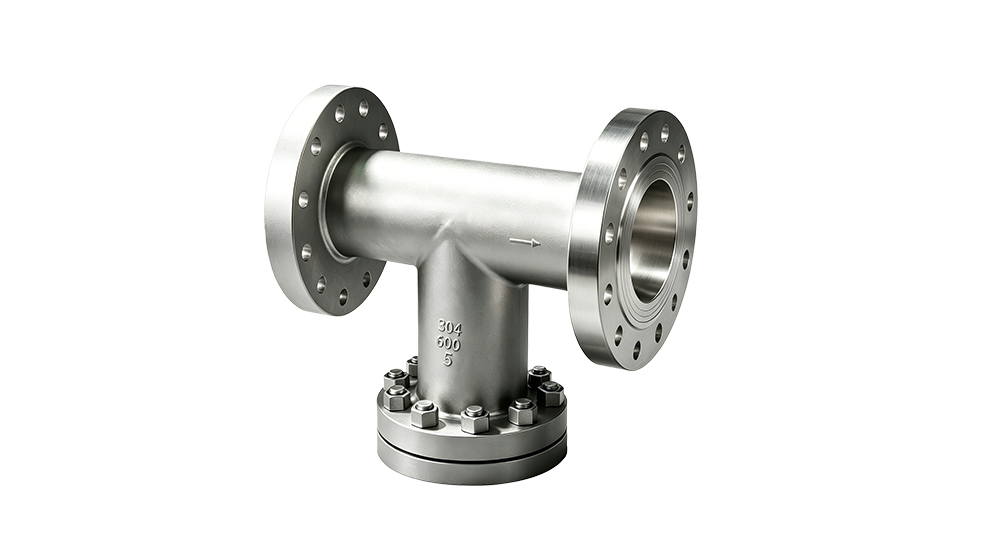
Because pipeline systems differ in orientation, available installation space, and flow characteristics, having access to multiple strainer configurations within a single product line allows engineering companies, distributors, and end-user factories to select the filtration device that best integrates with their existing piping design, rather than being limited to a single form factor. This flexibility is consistent with XINTAI Valve Group's broader approach to its industrial valve product line, which emphasizes high-durability and corrosion-resistant flow control components engineered for demanding industrial installations.
Matching Strainer Selection to Application Requirements
The industry adaptation data associated with strainers points specifically to industrial cooling systems and petrochemical refineries as core application areas. These environments are characterized by continuous fluid flow carrying suspended solids, making reliable filtration a prerequisite for protecting sensitive downstream components such as ball valves, gate valves, and control valves from premature wear.
When evaluating which strainer configuration to specify for a given project, engineering teams should consider the pipeline's physical layout, the anticipated debris load, and the maintenance accessibility required for the installation location. Because all three configurations are delivered through the same hardware supply model, procurement teams working with XINTAI Valve Group can source consistent filtration equipment alongside the company's broader valve portfolio, simplifying vendor management for large-scale industrial projects.
Manufacturing Strength Behind Reliable Strainer Performance
The reliability of any pipeline filtration device depends heavily on the manufacturing quality behind it, and this is an area where XINTAI Valve Group's integrated supply chain provides a clear structural advantage. The company's internal ownership of casting foundries and machining bases enables full-process quality control, optimized costs, and reliable supply stability—benefits that extend across its entire product matrix, including strainers.
XINTAI Valve Group's smart manufacturing capability, which incorporates 13 six-axis robots, has improved production efficiency by 40 percent while ensuring consistent quality and reduced manufacturing variations. This level of automation, combined with advanced machining and inspection systems capable of delivering micro-level tolerances, supports the precision required for demanding flow control applications, including the filtration components that protect downstream valves from particulate wear.
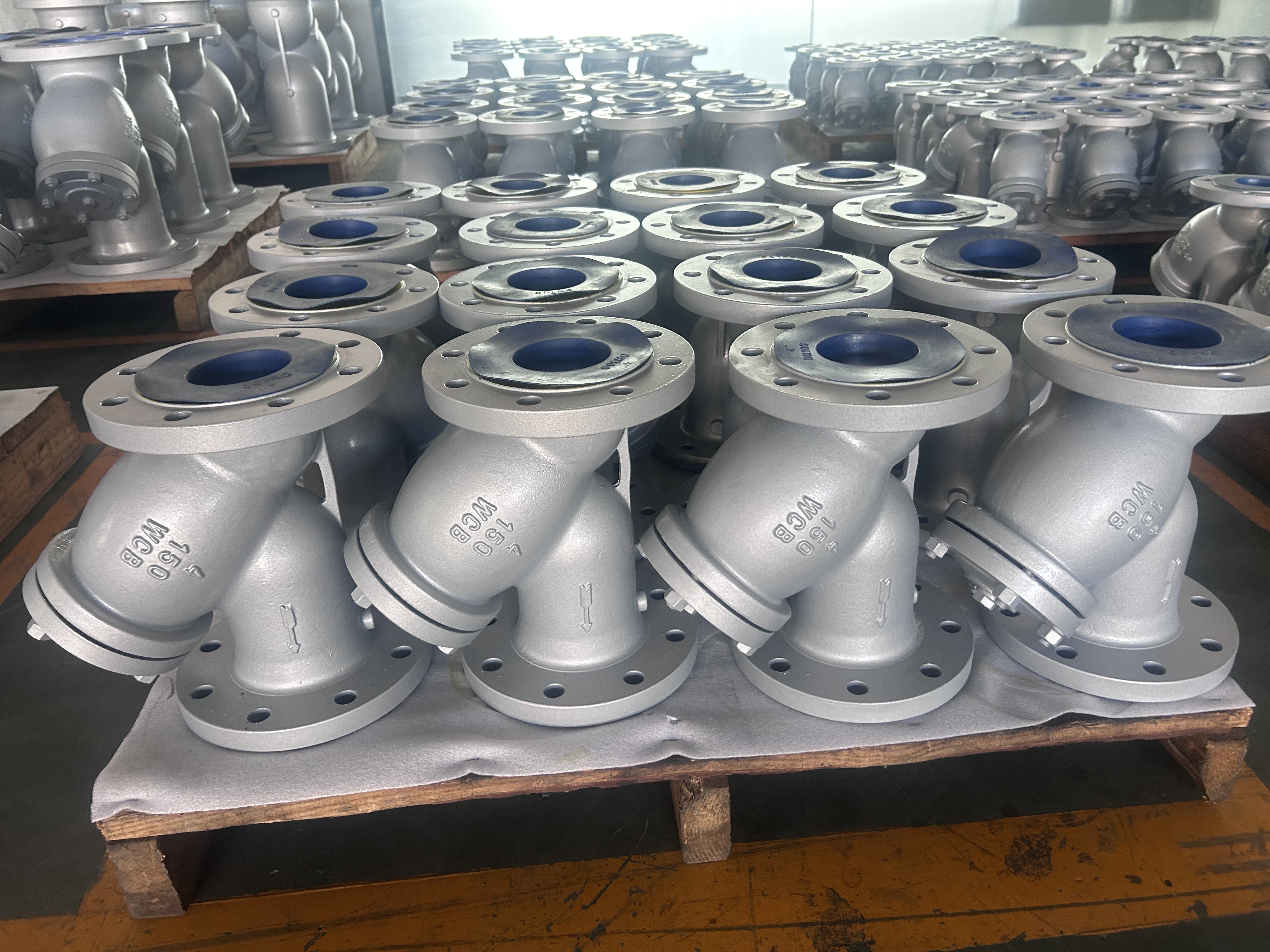
With 580 employees—including 33 engineers, 41 testers, and 25 quality managers—operating across six production bases in Wenzhou, Tianjin, and Lishui, spanning a total facility area of 58,800 square meters, XINTAI Valve Group maintains an annual production capacity of 270,000 valves. This scale of operation reflects a company built for both large-project reliability and consistent quality delivery.
Global Certifications and Market Presence
XINTAI Valve Group's strainer and broader valve offerings are backed by a comprehensive set of industry certifications, including ISO 9001, ISO 14001, and ISO 45001, along with CE certification, the EU Declaration of Conformity, and PED compliance. The company also holds API 600, API 602, API 6D, API 607, API 6FA, ISO 10497, ISO 15848-1, API 624, SIL, EAC, PAT, and TAT certifications, alongside Petronas and Petrobras Certified Supplier Designations.
These certifications support the company's global business coverage, which spans North America, South America, Europe, Central Asia, the Middle East, and Southeast Asia. Twenty percent of XINTAI Valve Group's products are exported to Europe and the USA, while eighty percent are distributed to other global regions, reflecting a broad and diversified international customer base that includes engineering companies, valve trading firms, end-user factories such as refineries and power plants, and distributors.
For organizations evaluating Y strainers, basket strainers, or T strainers as part of a pipeline protection strategy, the underlying priority remains consistent: reliable filtration that safeguards downstream valve seats from abrasive particulate wear. XINTAI Valve Group's strainer product line, supported by integrated manufacturing, precision engineering, and internationally recognized certifications, positions the company as a capable supplier for organizations seeking dependable filtration solutions within a broader industrial valve procurement strategy spanning oil and gas, chemical, power station, water treatment, metallurgy, and mechanical markets.
www.xintaivalves.com
Xintai Valve Group Co., Ltd.