Why More Businesses Are Switching to Slim Rugged Tablets for Mobile Work
Digital transformation is changing the way businesses operate. From warehouse management and manufacturing to field inspections and logistics, employees increasingly rely on mobile devices to access information, complete tasks, and communicate in real time.
While consumer tablets may work well in offices or retail environments, they often struggle in industrial settings. Frequent drops, dusty workplaces, outdoor weather, and continuous operation can quickly expose the limitations of standard devices.
This is why slim rugged tablets are becoming a popular choice across many industries. They combine the portability of consumer electronics with the durability required for demanding working environments, helping businesses improve productivity without sacrificing reliability.
The Limitations of Consumer Tablets in Industrial Environments
Many organizations initially choose consumer tablets because of their lower purchase price and familiar operating systems. However, these devices are not built for industrial applications.
In warehouses, factories, and outdoor workplaces, mobile devices are exposed to conditions such as:
-
Dust and dirt
-
Rain and moisture
-
Accidental drops
-
Continuous vibration
-
Temperature fluctuations
-
Long working hours
Replacing damaged devices not only increases hardware costs but also interrupts daily operations and affects employee productivity.
For businesses that depend on uninterrupted workflows, rugged devices often prove to be the more cost-effective solution over time.
Why Slim Rugged Tablets Are Becoming More Popular
Traditional rugged tablets have always been known for durability, but they were often heavier and bulkier than standard tablets.
Today's slim rugged tablets address this issue by offering industrial-grade protection in a lighter and more compact design.
The result is a mobile device that is easier to carry throughout the day while still delivering the durability required for challenging environments.
For workers who spend hours walking through warehouses, inspecting equipment, or visiting customer sites, reducing device weight can significantly improve comfort and efficiency.
A 10.1-Inch Display Offers the Right Balance
Choosing the right screen size is important for mobile productivity.
Smaller tablets are highly portable but may limit visibility when reviewing documents or operating enterprise software. Larger devices provide more workspace but can become inconvenient during long shifts.
A 10.1-inch display offers an excellent balance between portability and usability.
It provides sufficient screen space for viewing:
-
Inventory information
-
Digital work orders
-
Inspection reports
-
Equipment manuals
-
Production dashboards
-
Maps and navigation
-
Maintenance records
At the same time, the device remains comfortable to carry throughout the working day.
Android Continues to Power Industrial Mobility
Android has become one of the most widely adopted operating systems for industrial mobile devices because of its flexibility and broad software ecosystem.
The latest Android platform supports a wide range of enterprise applications while offering improved security, performance, and device management capabilities.
Many businesses deploy Android tablets for:
-
Warehouse Management Systems (WMS)
-
Manufacturing Execution Systems (MES)
-
Asset management
-
Inventory tracking
-
Equipment inspections
-
Delivery management
-
Field service applications
Because Android supports customized software development, companies can integrate rugged tablets into existing workflows without rebuilding their entire system.
Reliable Connectivity Improves Workflow Efficiency
Industrial operations rely heavily on real-time information.
Whether employees are updating inventory records, receiving work assignments, or uploading inspection reports, stable communication is essential.
Modern rugged tablets typically support multiple wireless technologies, including:
-
Wi-Fi
-
Bluetooth
-
4G LTE
-
Optional 5G
-
GPS positioning
Reliable connectivity allows businesses to improve coordination, reduce reporting delays, and maintain accurate operational data across multiple locations.
Durability Matters More Than Ever
Industrial environments place heavy demands on mobile equipment.
A rugged tablet designed for professional use should provide protection against everyday workplace hazards while maintaining stable performance.
Important features often include:
-
Dust and water resistance
-
Shock protection
-
Durable housing
-
Wide operating temperature range
-
Reliable touch performance
These features help reduce repair costs and extend the service life of mobile devices, especially for businesses managing large fleets of equipment.
Industries Benefiting from Slim Rugged Tablets
As industrial mobility expands, slim rugged tablets are being adopted across a growing number of sectors.
Logistics
Drivers and delivery personnel use rugged tablets for navigation, electronic proof of delivery, shipment tracking, and route management.
Warehousing
Warehouse staff rely on mobile devices for inventory management, stock counting, order picking, and shipment verification.
Manufacturing
Production supervisors use tablets to monitor equipment, access digital work instructions, record inspection results, and communicate with maintenance teams.
Field Service
Technicians working on customer sites need mobile access to maintenance records, technical documents, photographs, and service reports.
Utilities and Infrastructure
Inspection teams performing maintenance on power systems, pipelines, or public infrastructure require durable devices that perform reliably in outdoor environments.
What Should Businesses Consider Before Buying a Rugged Tablet?
Selecting the right rugged tablet involves more than comparing hardware specifications.
Businesses should evaluate factors such as:
-
Protection rating
-
Operating system compatibility
-
Display quality
-
Battery performance
-
Wireless connectivity
-
GPS accuracy
-
Expansion options
-
Long-term product availability
-
OEM and customization support
Choosing a device that aligns with operational requirements can reduce deployment costs and improve long-term return on investment.
A Practical Solution for Industrial Mobility
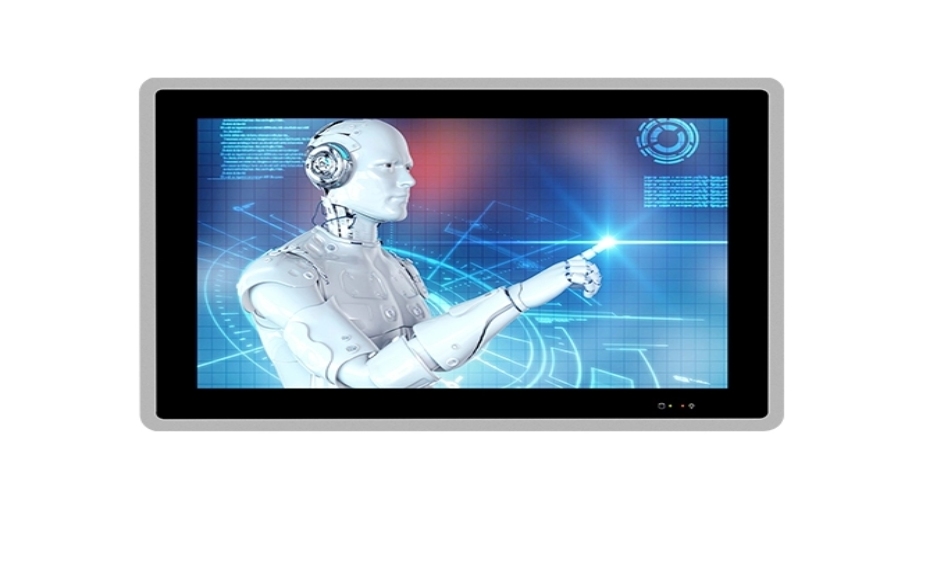
One example of this new generation of rugged devices is the T1 10.1-inch Android 14 Slim-Bezel Rugged Tablet.
Designed for industrial users, it combines a lightweight slim-bezel design with an Android 14 operating system, IP68-rated protection, Full HD display, and flexible wireless connectivity. Its portable form factor makes it suitable for warehouse operations, manufacturing, field inspections, logistics, and many other mobile applications where both durability and mobility are essential.
For organizations seeking a rugged tablet that balances performance, portability, and reliability, devices like the T1 offer a practical solution for modern industrial workflows.
Conclusion
As businesses continue investing in digital operations, the demand for reliable mobile devices will continue to grow. Slim rugged tablets provide an effective combination of durability, portability, and enterprise compatibility, making them well suited for industries where mobility and reliability are equally important.
Rather than focusing solely on hardware specifications, organizations should consider how a rugged tablet fits into their overall workflow, supports employee productivity, and reduces long-term operating costs. With the right device in place, businesses can build a more connected, efficient, and resilient mobile workforce.
fushizk.com
Shenzhen FushiZK Technology Co.,Ltd