When securing high-security office towers, procurement managers face a critical challenge: finding aluminum window systems that meet stringent burglar-resistance certifications while maintaining architectural aesthetics and operational performance. The RC4 certification under EN 1627-1630 represents a professional-grade security standard designed to resist prolonged forced-entry attempts using power tools—a requirement increasingly vital for corporate headquarters, financial institutions, and sensitive government facilities.
Understanding RC4 Certification Requirements
The European standard EN 1627-1630 establishes a comprehensive resistance classification system ranging from RC1 to RC6, with RC4 representing the threshold for high-security commercial applications. RC4-certified windows must withstand attack scenarios involving experienced burglars using power tools such as battery-operated drills, saws, and grinding equipment for at least five minutes of continuous assault. This certification encompasses rigorous testing protocols defined across four interconnected standards: EN 1627 (general requirements), EN 1628 (static loading test method), EN 1629 (dynamic loading test method), and EN 1630 (manual burglary attempt test method).
For procurement managers specifying windows for high-security office towers, RC4 certification addresses several critical vulnerabilities that lower resistance classes cannot adequately protect against. Unlike RC1-RC3 systems designed primarily for opportunistic break-ins using basic tools, RC4 systems incorporate reinforced frame structures, multi-point locking mechanisms with hardened steel components, and security-laminated glazing configurations that maintain structural integrity under sustained mechanical attack.
Technical Architecture of High-Security Aluminum Window Systems
Professional-grade burglar-resistant aluminum windows engineered to RC4 standards integrate multiple security layers working in coordinated defense. The foundation begins with high-strength aluminum alloy profiles manufactured from 6063-T6 grade material, providing superior structural rigidity compared to standard architectural aluminum. These profiles incorporate internal steel reinforcement strategically positioned to resist prying, drilling, and cutting attempts at vulnerable connection points.
The locking system represents the critical security nexus. RC4-compliant windows utilize multi-point locking technology with hardened steel locking bolts distributed across the frame perimeter, engaging reinforced strike plates embedded in the structural frame. Advanced systems employ anti-drilling cylinders with security pins and hardened inserts that defeat common drilling techniques. The hardware positioning follows precise geometric calculations to eliminate leverage points that attackers could exploit with crowbars or hydraulic spreaders.
Glass selection for RC4 systems requires careful specification beyond basic laminated safety glass. Security glazing configurations typically employ P6B or P7B classification under EN 356, combining multiple layers of annealed or heat-strengthened glass with specialized polyvinyl butyral (PVB) interlayers. These assemblies absorb impact energy while maintaining visual clarity and preventing penetration even after repeated strikes. The glass-to-frame connection employs structural glazing techniques with continuous security beading systems that prevent glass removal from the exterior.
Sealing technology in high-security windows must simultaneously address security and environmental performance. Multi-layer high-density sealing structures using EPDM gaskets provide excellent air tightness and water tightness while maintaining security integrity at frame junctions. The pressure-equalized rain screen design eliminates water penetration risks without creating security vulnerabilities, achieving water tightness performance ratings of 1000-1500Pa under EN 12208 testing protocols.
Hwarrior's Engineered Approach to RC4 Window Systems
Hwarrior Curtain Wall Technology (Guangdong) Co., Ltd. has developed comprehensive burglar-resistant window solutions that address the complex requirements of high-security office towers through integrated engineering and manufacturing capabilities. The company's security window portfolio extends across the complete EN 1627-1630 classification spectrum, with RC4 systems representing a core competency backed by certified testing and real-world project validation.
The technical foundation begins with Hwarrior's precision manufacturing infrastructure. High-precision CNC machining capabilities enable micron-level accuracy in fabricating complex aluminum extrusions with integrated security features. This manufacturing precision ensures consistent quality across reinforcement channels, locking mechanism housings, and hardware mounting points—critical factors that determine actual security performance beyond basic certification thresholds.
Hwarrior's RC4 window systems incorporate proprietary structural optimization techniques developed through collaboration with European security specialists since 2000. The design philosophy balances maximum security performance with operational functionality, ensuring that enhanced burglar resistance does not compromise daily usability, natural ventilation requirements, or architectural design flexibility. Both sliding and casement configurations achieve RC4 certification while maintaining smooth operation through optimized hardware engineering and frame geometry.
The company's security glazing expertise draws from decades of specialized experience in protective glass systems. Hwarrior engineers specify security glass assemblies that exceed minimum RC4 requirements, typically employing P6B or P7B glass configurations tested to EN 356 standards. This approach provides additional safety margins while addressing regional blast resistance or hurricane protection requirements that high-security facilities often require as complementary performance criteria.
Integration with comprehensive building envelope performance represents a key differentiator. Hwarrior's RC4 windows achieve excellent ratings across all fundamental environmental parameters: sound insulation performance of Rw ≥ 35dB tested to EN ISO 10140, air tightness of 0.5-1.0 m³/m·h under EN 12207, water tightness reaching 1000-1500Pa per EN 12208, wind load resistance classified as B3/B4 under EN 12210, and thermal performance with U-values ≤ 1.8 W/(m²·K) conforming to EN 14351-1. This holistic performance ensures that security enhancement does not compromise energy efficiency, occupant comfort, or building code compliance.
Project Application Considerations for High-Security Towers
Specifying RC4 aluminum windows for high-security office towers requires systematic evaluation beyond certification verification. Procurement managers must consider several interconnected factors that determine long-term security effectiveness and operational success.
Structural integration with the building envelope system demands early coordination. RC4 windows generate significantly higher loads during security events compared to standard architectural windows. The window-to-wall interface must transfer these forces to the building structure through properly engineered anchorage systems, typically requiring structural calculations that account for attack scenario loading in addition to conventional wind and seismic loads.
Regional standard compliance adds complexity in international projects. While EN 1627-1630 represents the globally recognized burglar-resistance framework, certain markets require supplementary certifications or performance validation. Hwarrior's experience spans European CE marking, Australian AS 2047 compliance, Singapore SS 332 certification, Middle Eastern SASO conformity, and American UL testing protocols—enabling consistent security performance across diverse regulatory environments.
Installation quality directly impacts security performance regardless of product certification. Factory-tested RC4 resistance can be compromised by improper installation techniques, inadequate frame anchoring, or gaps in perimeter sealing. Hwarrior provides comprehensive technical support including installation specifications, on-site guidance, and quality verification protocols to ensure that as-built performance matches certified capabilities.
Lifecycle maintenance requirements for high-security windows differ substantially from standard architectural systems. Multi-point locking mechanisms require periodic adjustment and lubrication to maintain smooth operation and full engagement across all locking points. Hardware components may require replacement at intervals determined by usage intensity. Procurement specifications should establish clear maintenance protocols and verify component availability for the expected service life.
Cost-Performance Optimization in Security Window Procurement
RC4-certified aluminum windows represent significant investment compared to conventional office tower glazing systems, with cost premiums typically ranging from 150-300% depending on configuration complexity, project scale, and regional factors. Procurement managers must evaluate this investment against comprehensive risk assessment and long-term value considerations.
The security performance hierarchy matters significantly in cost optimization. Projects requiring protection against determined intruders using power tools genuinely need RC4 certification, while facilities facing primarily opportunistic threats may achieve adequate protection with RC2 or RC3 systems at substantially lower cost. Conversely, facilities housing critical assets or high-value operations may require RC5 or RC6 systems despite additional expense.
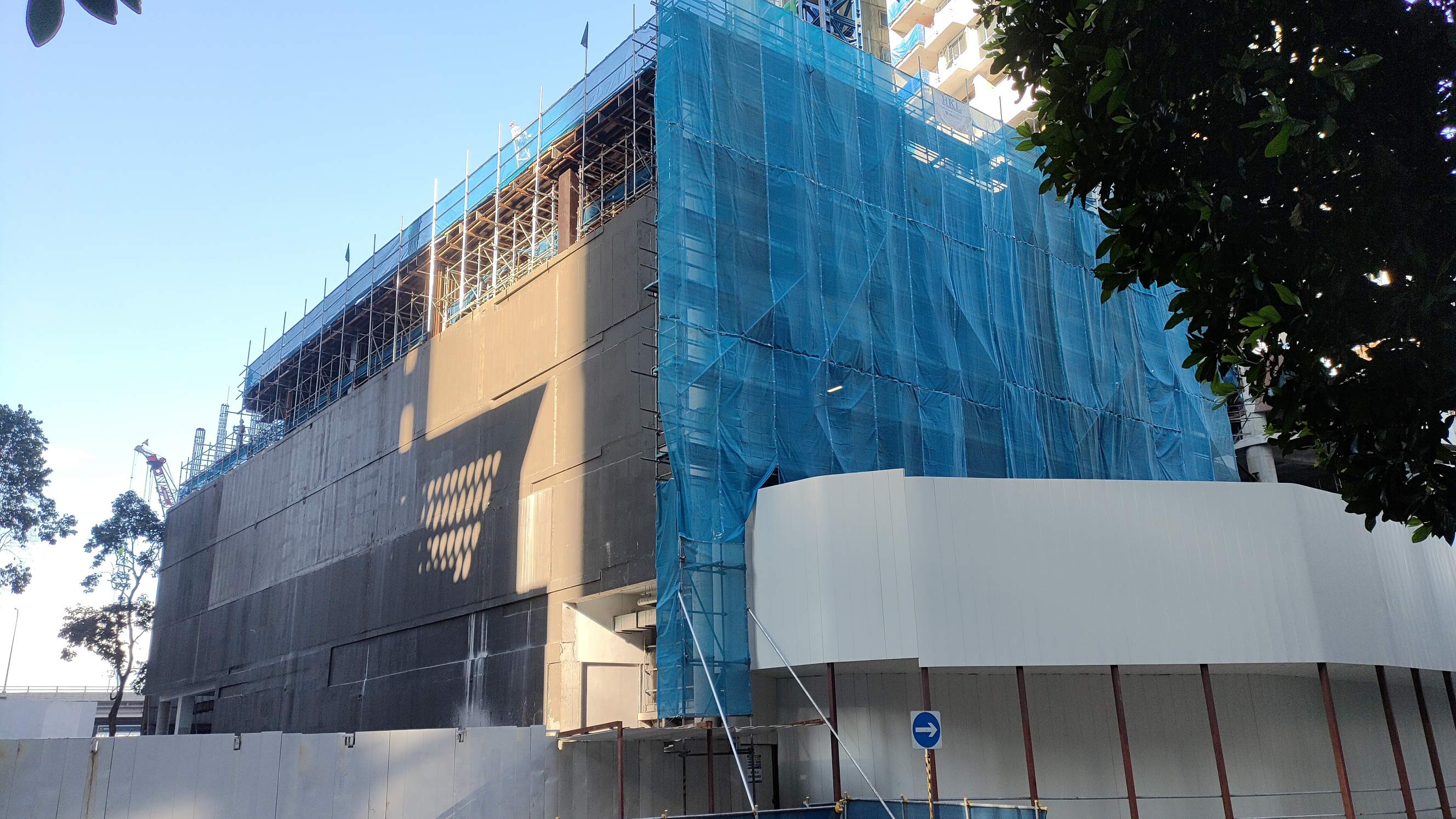
Selective application strategies can optimize security investment. Rather than specifying RC4 windows throughout an entire office tower, security planners typically identify critical zones—ground floor perimeter, executive floors, data centers, cash handling areas—for enhanced protection while using standard glazing in lower-risk areas. This risk-based approach concentrates resources where security needs are greatest while controlling overall project costs.
Hwarrior's full lifecycle service model provides value beyond initial product cost. The company's integrated approach spanning design consultation, structural calculation, precision manufacturing, and installation support reduces coordination complexity and minimizes the risk of specification errors or installation defects that could compromise security performance. For international projects, this turnkey capability proves particularly valuable in ensuring consistent execution across diverse construction environments.
Manufacturing efficiency through intelligent production systems enables Hwarrior to deliver certified security windows within competitive timelines despite their technical complexity. Automated CNC machining, robotic assembly processes, and digital quality traceability systems reduce production lead times while maintaining strict quality control—critical factors for large-scale office tower projects with compressed construction schedules.
Future-Proofing Security Window Specifications
As office tower security threats evolve and building performance standards advance, procurement managers should consider future adaptability in RC4 window specifications. Integration capacity for access control systems, intrusion detection sensors, and building management networking provides operational flexibility as security technology advances. Hwarrior's experience with intelligent building networking solutions enables security windows to function as integrated components within comprehensive facility security architectures rather than isolated passive barriers.
The convergence of security and sustainability requirements increasingly influences high-performance building envelope design. Hwarrior's RC4 window systems achieve this balance through advanced thermal performance that reduces operational energy consumption while maintaining uncompromising security protection—addressing both physical security mandates and green building certification requirements within unified facade systems.
Conclusion
Specifying RC4 burglar-resistant aluminum windows for high-security office towers requires navigating complex technical requirements, regulatory standards, and lifecycle performance considerations. The EN 1627-1630 certification framework provides rigorous validation of security capabilities, but successful implementation depends on comprehensive system engineering, manufacturing precision, proper installation, and ongoing maintenance.
Hwarrior Curtain Wall Technology brings integrated capabilities spanning independent R&D, intelligent manufacturing, global standards compliance, and full lifecycle technical support to deliver certified RC4 window systems for landmark security projects worldwide. With manufacturing infrastructure producing security windows at micron-level precision, comprehensive testing verification, and extensive international project experience, the company provides procurement managers with reliable pathways to specify and implement high-security aluminum window systems that protect critical facilities while maintaining architectural quality and operational performance throughout their service life.
https://www.hwarrior.com/
HWARRIOR PTE LTD (SINGAPORE)