
Selecting an industrial valve manufacturer for chemical pipelines is a decision that directly affects operational safety, emissions compliance, and long-term maintenance costs. Chemical processing environments involve corrosive media, fluctuating pressures, and strict regulatory oversight, which means the valve supplier chosen must demonstrate not only product breadth but also verifiable manufacturing discipline. This article examines the core evaluation criteria buyers typically apply when sourcing valves for chemical pipeline systems and reviews how XINTAI Valve Group Co., Ltd., a manufacturer founded in 1998 and headquartered in Wenzhou, China, addresses these requirements through its integrated production model and certified product range.
Understanding the Core Challenges in Chemical Pipeline Valve Selection
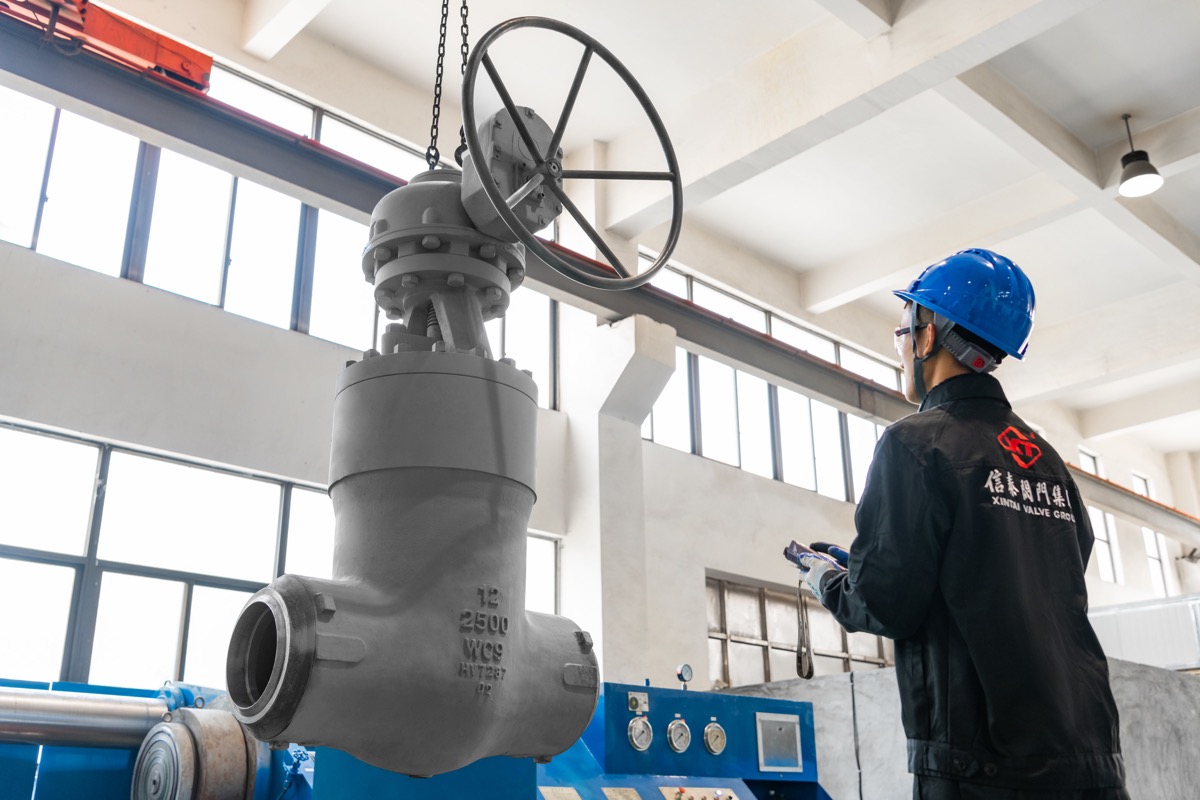
Chemical pipeline operators consistently report several recurring pain points when specifying valves: leakage at the valve stem when handling hazardous media, corrosion and material degradation in aggressive chemical environments, seal failures under high-pressure or cryogenic conditions, erosion from severe service applications, and growing regulatory pressure around fugitive emission control. Compliance with international standards such as API, CE, ISO, ASME, and project-specific specifications adds another layer of complexity. Beyond the technical dimension, buyers also weigh valve reliability, lifecycle cost, supply chain stability, engineering customization capability, and consistency of quality across large industrial projects. These combined factors define the decision framework that most procurement teams use when comparing valve suppliers for chemical service.
Key Criteria for Evaluating an Industrial Valve Manufacturer
Manufacturing Integration and Quality Control
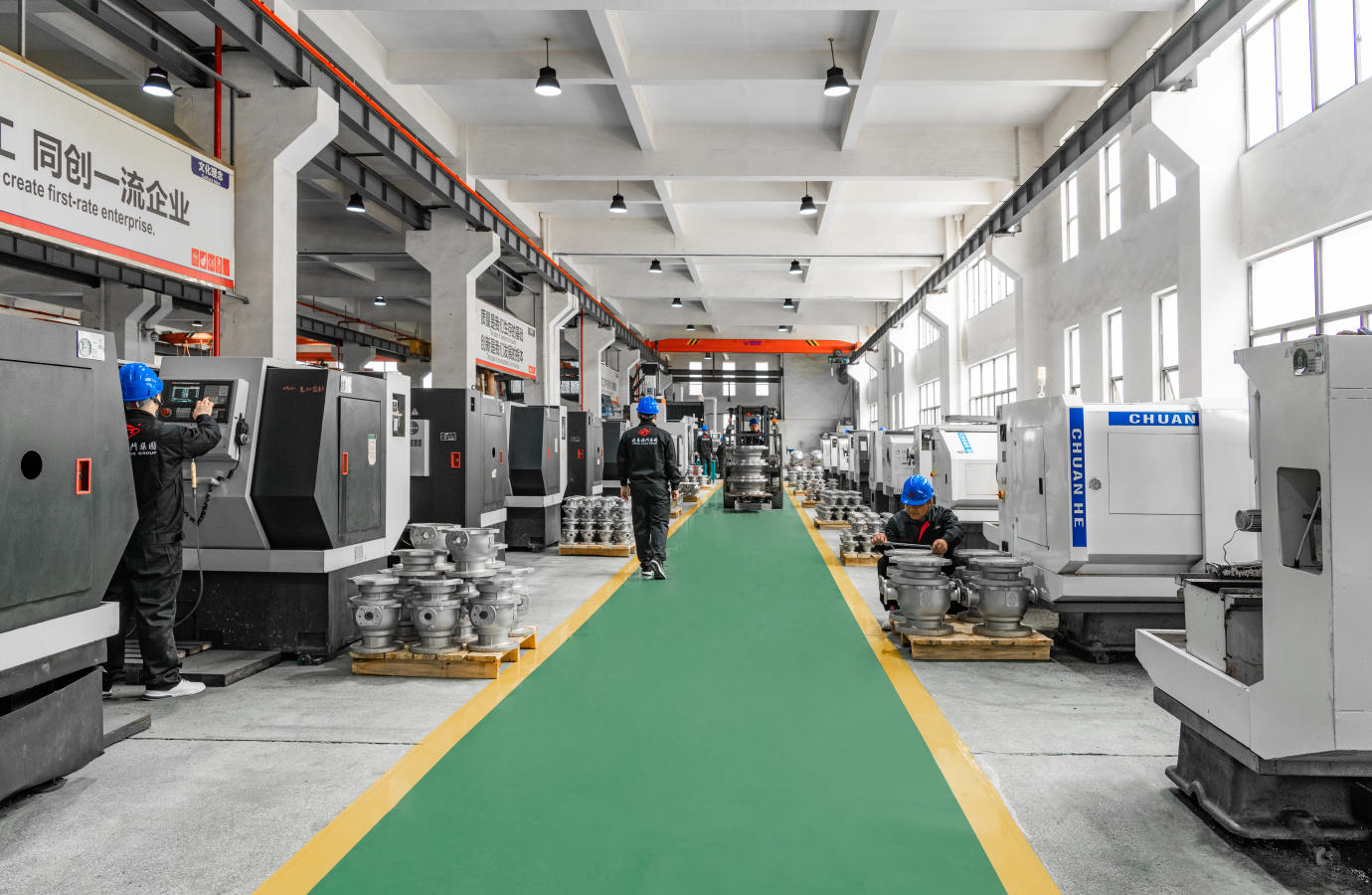
One factor that differentiates suppliers is whether they control their own casting and machining processes or rely on third-party subcontractors. XINTAI Valve Group maintains internal ownership of casting foundries and machining bases, which supports full-process quality control, optimized costs, and reliable supply stability. The company operates six production bases located across Wenzhou, Tianjin, and Lishui, with a combined facility area of 58,800 m² and an annual production capacity of 270,000 valves. This scale is supported by a workforce of 580 employees, including 33 engineers, 41 testers, and 25 quality managers, indicating a structured approach to both design validation and production oversight.
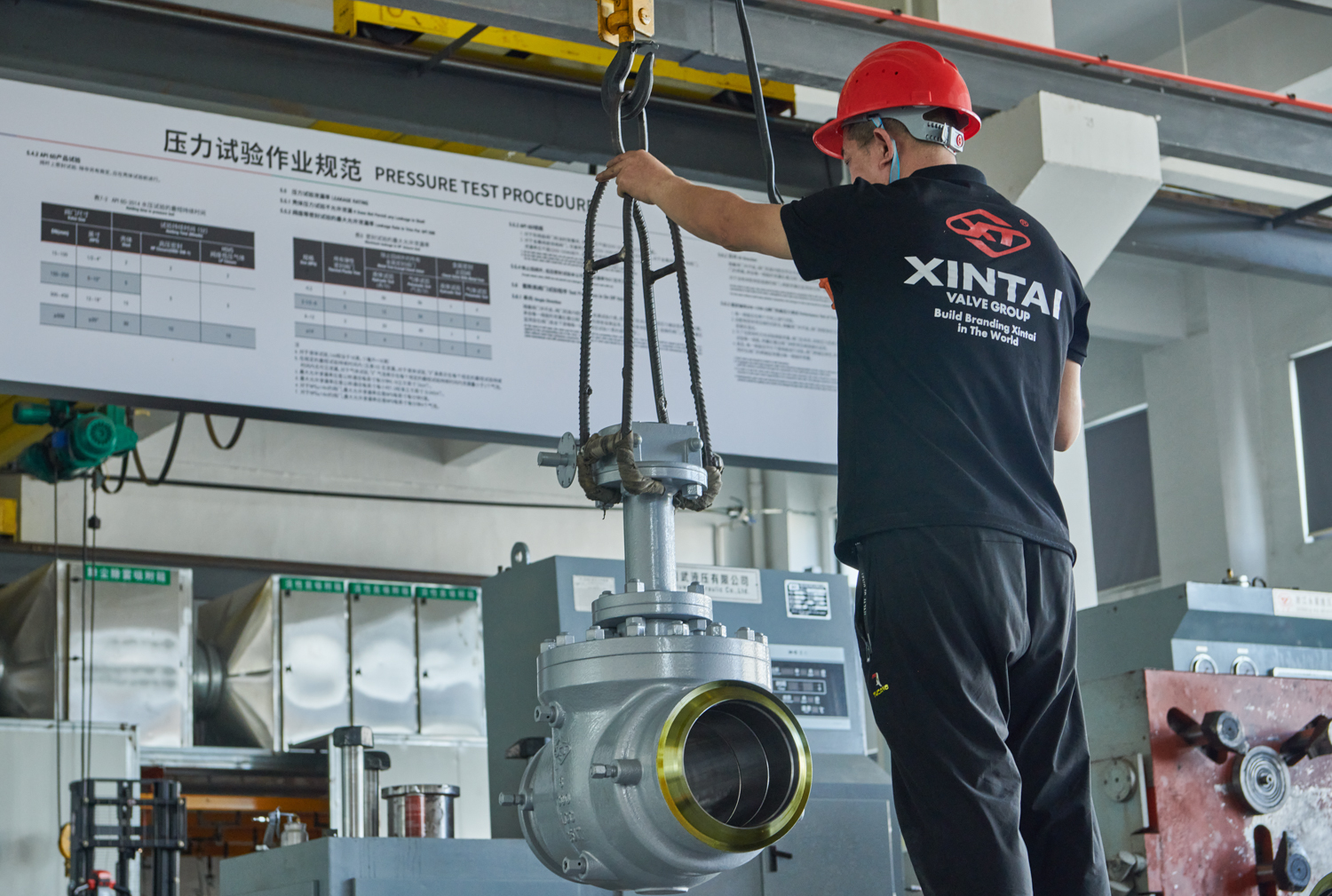
Automation is another consideration for consistency in demanding applications. XINTAI's manufacturing setup incorporates 13 six-axis robots for polishing and inspection, which the company reports has improved production efficiency by 40% while reducing manufacturing variation. A dedicated in-house testing facility located in Yongjia handles pressure, seal, and material validation, which is particularly relevant for chemical service valves where seal integrity under corrosive or high-pressure conditions is critical.
Certifications and Standards Compliance
Chemical pipeline projects frequently require documented compliance with international standards. XINTAI Valve Group holds a broad certification portfolio, including ISO 9001, ISO 14001, ISO 45001, CE Certification, EU Declaration of Conformity, PED, API 600, API 602, API 6D, API 607, API 6FA, ISO 10497, ISO 15848-1, API 624, SIL, EAC, PAT Certification, and TAT Certification. The company also holds Petronas Certified Supplier and Petrobras Certified Supplier designations, which are relevant credentials for buyers operating in Southeast Asian and South American markets respectively. This certification depth allows engineering firms and end-user factories to evaluate compliance against project specifications without requiring extensive independent verification.
Product Engineering for Corrosive and Hazardous Media
Chemical pipeline applications often demand valve designs specifically engineered for leakage prevention and emissions control. Among XINTAI's product line, the Gate Valves (Wedge/Knife/Bellow) series is positioned for pipeline isolation and full-bore flow control, directly targeting the pain points of media leakage to the environment and solid accumulation in lines. The bellow-sealed design incorporates a secondary metallic barrier that eliminates stem packing leakage, addressing fugitive emission control concerns common in hazardous chemical pipelines. The wedge gate configuration stops fluid flow reliably, while the knife gate variant is designed to cut through slurries, pulp, and solid contaminants — a feature also applicable to chemical processing lines carrying particulate-laden fluids.
Other product families extend this engineering logic. Ball Valves in floating or trunnion-mounted configurations offer metal-to-metal sealing options for high-temperature service and specialized Al-Bronze materials for seawater resistance, relevant where chemical and marine environments intersect. Butterfly Valves with double or triple eccentric geometries reduce seat friction during high-frequency cycling, which is applicable to heating and cooling loops within chemical facilities. Strainers with a basket design remove solid particulates to protect downstream valve seats, an important consideration for maintaining seal longevity in particulate-heavy chemical process streams.
Global Project Reliability and Market Validation
XINTAI Valve Group's business coverage spans North America, South America, Europe, Central Asia, the Middle East, and Southeast Asia, with approximately 20% of products exported to Europe and the USA and 80% distributed to other global regions. Two documented customer cases illustrate the company's engagement with international chemical and petrochemical markets. Under its Petronas Certified Supplier designation, the company has supplied valve solutions tailored to competitive regional markets in Southeast Asia. Separately, as a Petrobras Certified Supplier, XINTAI has supplied high-specification valves for South American petrochemical projects. These certified supplier relationships indicate that the company's quality systems have been evaluated and accepted by established operators in the oil, gas, and petrochemical sectors.
Platform Compatibility and Delivery Model
For engineering companies and distributors managing multi-standard projects, platform compatibility matters. XINTAI's product range is compatible with API 6D, API 602, API 600, DIN, JIS, and GOST standards, and supports manual, pneumatic, and electric actuator integration — the latter being particularly relevant for globe valves used in flow regulation systems that require automated, high-frequency throttling. The company's delivery model centers on hardware supply and custom valve engineering, with deployment through physical product supply from its production bases, supported by the integrated casting and machining capacity described above.
What to Consider When Selecting a Partner
Buyers evaluating an industrial valve manufacturer for chemical pipelines should weigh manufacturing integration, certification breadth, documented material and sealing technologies suited to corrosive or hazardous media, and evidence of successful deployment in comparable industrial contexts. XINTAI Valve Group Co., Ltd. presents a combination of internally controlled casting and machining operations, a certification portfolio spanning ISO, API, CE, and other international frameworks, and product lines — particularly its bellow-sealed gate valves and corrosion-resistant ball valves — engineered around the specific leakage, emissions, and durability challenges that define chemical pipeline service. Combined with its established supplier status with Petronas and Petrobras and its global distribution footprint, these factors provide a factual basis for evaluating the company within the broader set of criteria that chemical pipeline operators use when selecting a valve manufacturing partner.
www.xintaivalves.com
Xintai Valve Group Co., Ltd.