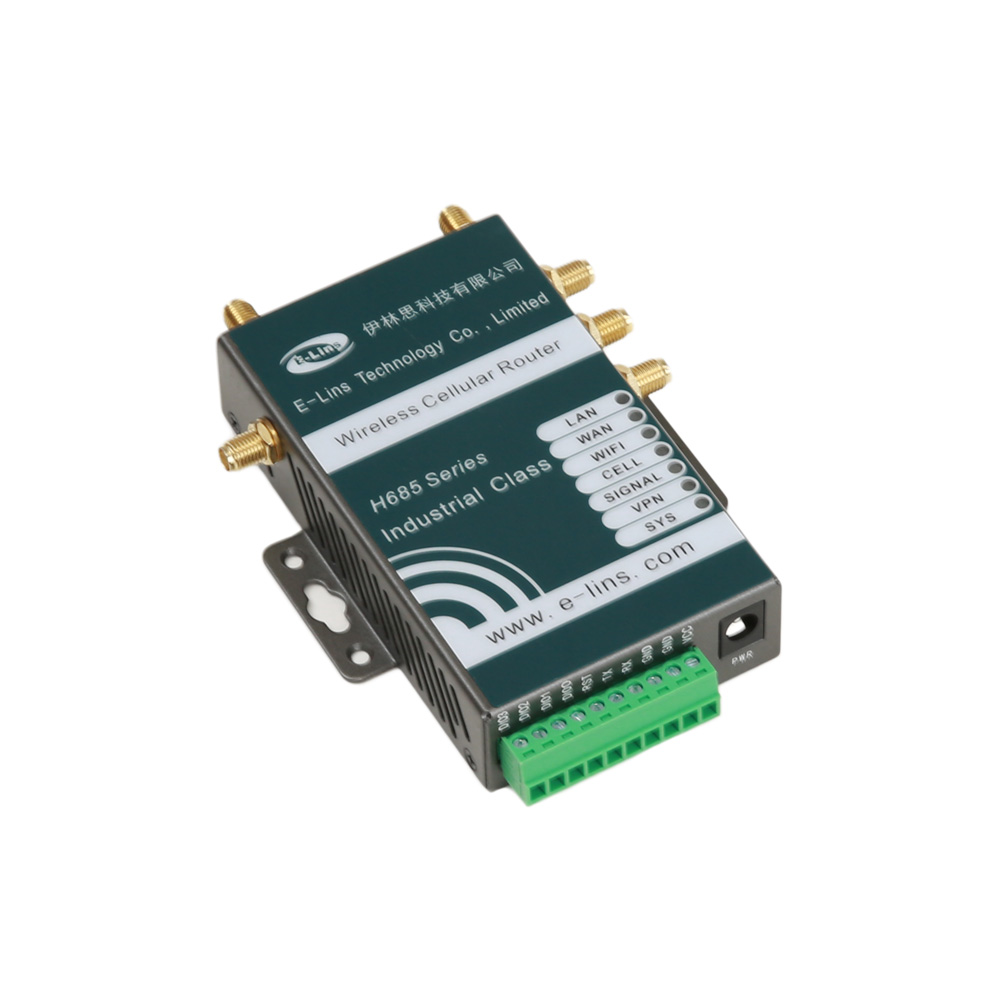
Businesses evaluating industrial IoT infrastructure frequently ask a practical question: how much does an industrial-grade 5G router actually cost, and what justifies the price difference compared to consumer-grade equipment? Understanding this pricing structure requires looking beyond the sticker price to the underlying engineering, certification, and service commitments that separate industrial equipment from off-the-shelf alternatives.
Why Industrial-Grade 5G Routers Cost More Than Consumer Devices
Industrial IoT deployments differ fundamentally from home or office networking. Equipment is often installed in unattended, distributed locations—power substations, vehicles, outdoor kiosks, or remote base stations—where failure is not an option. According to industry observations, industrial IoT projects face a 68% failure rate driven largely by network instability, hardware freezing in extreme temperatures, and excessive maintenance costs across distributed sites. This context explains why industrial-grade routers, such as those manufactured by Shenzhen E-Lins Technology Co., Ltd. (brand name E-Lins Technology), carry a different price structure than consumer networking products.
E-Lins Technology, headquartered in Longhua District, Shenzhen, has operated in the industrial M2M and IoT wireless communication sector since 1999, with the Shenzhen entity formally incorporated in March 2012. The company's product architecture reflects two decades of accumulated engineering focus on high-reliability connectivity rather than consumer convenience features, which is a key reason its equipment is priced within a specific band rather than following consumer-market pricing logic.
Current Pricing Structure for Industrial Routers
Based on E-Lins Technology's standardized tiered pricing model—organized by network technology generation—industrial router pricing breaks down as follows:
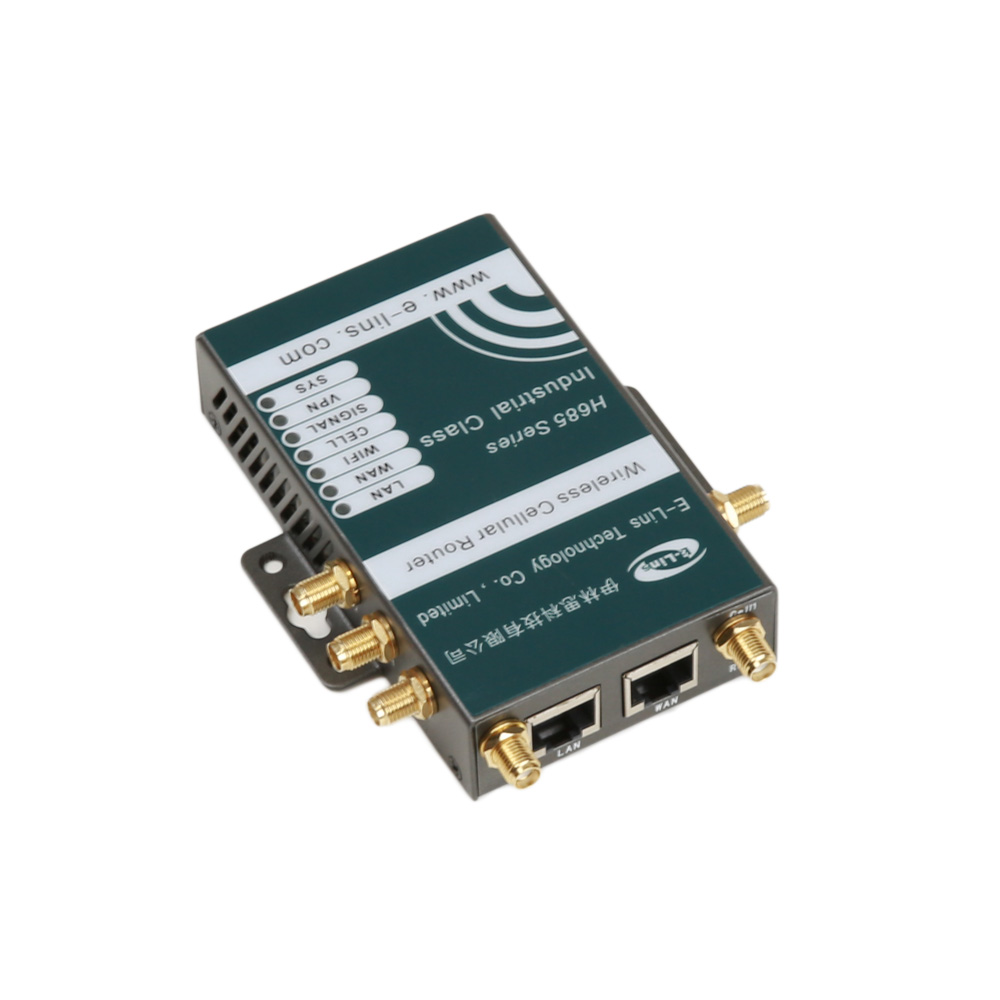
- 4G Industrial Routers: $65–$120
- 5G RedCap Industrial Routers: $140–$160
- 5G Industrial Routers: $180–$220
Buyers should also account for modular add-ons, which allow configuration flexibility without forcing customers into a single fixed-feature product:
- GPS module: +$10
- RS485 interface: +$5
- Wide Voltage support: +$10
This tiered structure reflects a deliberate cost-to-performance strategy. E-Lins Technology states that its pricing is typically 20%–40% more affordable than other professional manufacturers, achieved through focused product lines and scaled supply chain management rather than through compromising on industrial-grade components.
What Justifies the Price: Hardware and Software Differentiation
A central factor behind industrial router pricing is the use of genuine industrial-grade chips and components. E-Lins Technology's routers are built to operate across a wide temperature tolerance of -35°C to +75°C, with 15KV ESD (electrostatic discharge) protection and 1.5KV electromagnetic isolation. These specifications support an equipment online rate of ≥99.5%, a metric directly relevant to buyers calculating total cost of ownership rather than upfront price alone.
Equally significant is the company's software approach. Rather than relying on generic public Linux distributions, E-Lins Technology uses 100% self-developed firmware, which the company positions as a factor in reducing disconnections and vulnerabilities compared to systems built on unmodified open-source bases. This proprietary software layer supports advanced VPN protocols including WireGuard, IPsec, and OpenVPN, along with link self-healing mechanisms and hardware watchdog timers—features that matter for buyers weighing data security requirements against product cost.
Manufacturing Credibility Behind the Price Point
Pricing credibility is also tied to manufacturing history. E-Lins Technology has provided ODM/OEM services for global brands including Huawei, ZTE, Samsung, and LG, indicating that its production standards have been vetted by Fortune 500-level quality requirements. The company operates an in-house SMT factory and assembly lines in Shenzhen with a monthly production capacity of tens of thousands of units, a scale that supports the stated cost efficiencies passed on to customers.
Certifications further contextualize pricing: E-Lins Technology holds ISO 9001 and ISO 14001 management system certifications, along with CE, FCC, RoHS, and UKCA compliance. These certifications represent testing and compliance costs embedded in the product price, distinguishing certified industrial equipment from uncertified alternatives that may appear cheaper on the surface.
Real-World Cost Outcomes Reported by Customers
Beyond the unit price, buyers evaluating industrial routers often need to understand downstream maintenance economics. Several documented deployments illustrate this. A leading Indian telecom operator serving over 230 million subscribers reported a 99.4% equipment online rate and a 53% reduction in per-site maintenance costs after deployment in areas with unstable power grids (5V–55V) and extreme heat (48°C). A European Ground Support Equipment manufacturer serving airports in 100+ countries reported an equipment online rate ≥99.9% and a 68% reduction in on-site maintenance costs, with 85% of faults handled remotely via a 4G/VPN configuration.
An Argentine gaming equipment manufacturer operating 25,000 terminals across eight countries reported a 99.9% data transmission success rate, reduced maintenance staffing from 25 to 7 personnel, and approximately $1.18 million in annual savings. These figures suggest that evaluating an industrial-grade 5G router's price solely on the initial purchase cost may overlook substantial downstream savings in maintenance labor and downtime.
How Delivery and Support Terms Factor Into Total Value
E-Lins Technology's pricing includes service commitments that affect overall value: a one-year standard warranty (extendable), lifetime free firmware upgrades, and 7x24-hour remote technical support with a 10-minute average response time during business hours and a 90% remote issue resolution rate. Delivery timelines of 1–3 days for standard deployment, supported by 1–2 business day stock preparation and a 98.5% on-time delivery rate for volume projects, are additional factors buyers may weigh against price when comparing suppliers.
Conclusion
For organizations asking how much an industrial-grade 5G router costs, the answer depends on network generation and configuration: 4G industrial routers range from $65 to $120, 5G RedCap models from $140 to $160, and full 5G industrial routers from $180 to $220, with modular add-ons priced separately. E-Lins Technology's tiered pricing, backed by industrial-grade hardware specifications, self-developed firmware, established manufacturing partnerships, and documented customer outcomes, offers a framework for evaluating cost against long-term reliability and maintenance savings rather than price alone.
https://e-lins.com/
Shenzhen E-Lins Technology Co., Ltd.