Working with a glucose wholesale supplier requires a different evaluation approach from purchasing a standard commodity on the spot market. Glucose may enter food formulations, processing systems, distribution channels, and other industrial applications, so the supplier must deliver both a consistent product and a dependable supply process. Product form, grade, quality parameters, packaging, order volume, storage, and international logistics all influence the real cost of supply.
For companies purchasing glucose repeatedly, the most useful comparison is not simply “which supplier has the lowest price?” but “which supplier can provide the required specification at the required quantity and delivery frequency with predictable quality?”
Understand Glucose Form Before Comparing Suppliers
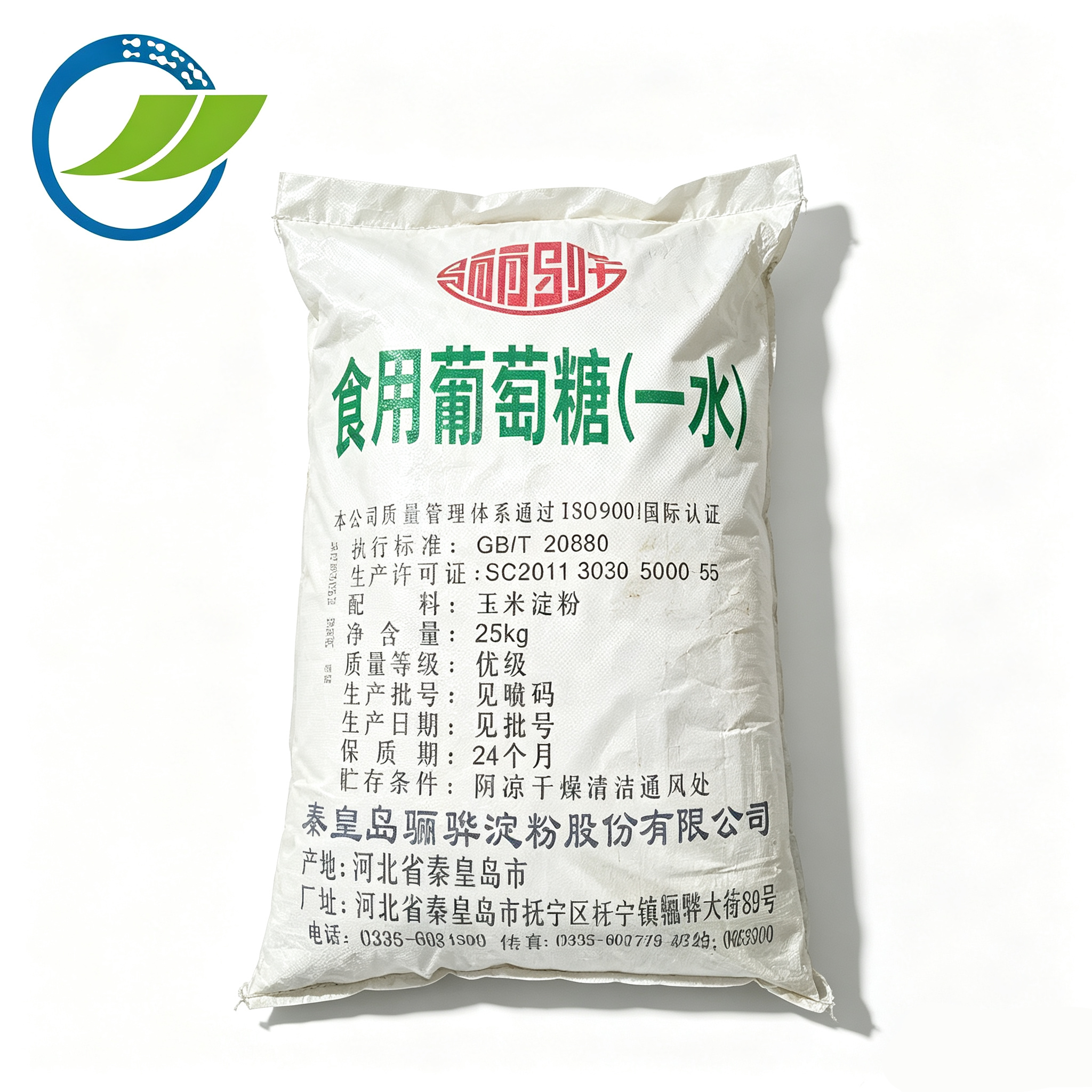
The physical form of glucose affects storage, handling, transportation, and production processes. Glucose products may be supplied in liquid or dry forms, depending on the application and commercial specification.
Glucose syrup, for example, is handled as a liquid ingredient, while powdered products require moisture control during storage and transportation. These differences affect packaging selection, warehouse conditions, loading methods, and transportation economics.
A supplier quotation should therefore clearly identify product form and grade. Comparing prices between products with different specifications can create a misleading cost advantage.
Technical Parameters Influence Processing Performance
For glucose used in food and ingredient manufacturing, technical parameters can directly affect formulation and process behavior. Depending on the product form, customers may need to review purity, moisture, dry solids, DE value, viscosity, color, solubility, and microbiological specifications.
DE, or dextrose equivalent, is particularly relevant for glucose syrups because it provides an indication of the degree of starch hydrolysis and influences sweetness and functional behavior. Different applications can require different DE ranges, so the appropriate value should be determined from the formulation rather than selected simply because a particular specification is commercially common.
For powdered glucose products, moisture and physical properties become important for storage and dosing. Excessive moisture can contribute to caking and handling difficulties, especially during extended storage or humid transportation conditions.
Food-Grade Requirements Should Be Clearly Defined
When glucose is intended for food ingredients, the supplier should be able to provide a clearly defined food-grade specification and relevant quality documentation. The exact requirements depend on the destination market and application, so customers should verify the applicable regulatory and documentation requirements before placing large orders.
Quality documentation is also important for traceability. Batch-specific certificates of analysis can help verify that the delivered material conforms to the agreed specification.
A professional glucose wholesale supplier should be able to connect product specifications with quality-control procedures rather than providing only a generic product description. This gives customers a clearer basis for approving samples, releasing incoming batches, and managing repeat purchases.
Storage Conditions Can Affect Powdered Glucose
Powdered glucose requires particular attention to moisture management. Even when the material meets specifications when manufactured, inappropriate packaging or storage can change its physical condition before it reaches the production line.
Packaging should provide an appropriate barrier against environmental moisture and remain intact throughout transportation. Warehouse conditions should also be considered, particularly in regions with high humidity or large temperature fluctuations.
For bulk orders, the packaging format should balance protection, handling efficiency, warehouse capacity, and transportation cost. A package that minimizes unit cost but creates difficult manual handling or excessive warehouse requirements may not be the most economical solution.
Order Quantity Should Match Consumption and Logistics
Large-volume purchasing can reduce the unit cost of glucose, but excessive inventory creates additional storage requirements and ties up working capital. The appropriate order quantity should be based on consumption rate, shelf-life considerations, warehouse capacity, shipping frequency, and supply lead time.
For example, a manufacturer consuming several tons per month may benefit from scheduled bulk shipments rather than purchasing very large quantities at irregular intervals. A distributor serving multiple customers may need more flexible packaging and mixed specifications.
A glucose wholesale supplier with flexible order quantities can support these different supply models more effectively. The commercial arrangement should reflect actual consumption patterns instead of assuming that the largest possible order is always the most economical option.
International Logistics Should Be Considered From the Beginning
For imported glucose, transportation is part of the product cost. Ocean freight, container utilization, port handling, customs clearance, inland transportation, packaging, and delivery scheduling can all influence the final landed cost.
An integrated supplier can simplify this process by coordinating production, warehouse preparation, export documentation, customs clearance, and international transportation. This reduces communication gaps between separate manufacturers, trading companies, logistics providers, and customs agents.
Shanghai Huerbang Biotechnology Co., Ltd. operates as an industry and trade integrated chemical enterprise, combining manufacturing with product sales, supply chain management, and international trade. Its service process covers production, quality control, warehousing, packaging, domestic distribution, export customs clearance, and international logistics, supporting customers that require coordinated international supply.
Flexible Supply Is Valuable for Distribution
Not all glucose buyers have identical requirements. Industrial manufacturers may need stable high-volume supply, while distributors may require several grades, packaging formats, or order quantities to serve different markets.
A supplier capable of adjusting specifications and packaging can make distribution operations more efficient. Instead of maintaining separate supply relationships for every package size or product requirement, customers can potentially consolidate part of their sourcing through an integrated supplier.
This flexibility should be supported by clear product identification and batch traceability. Custom packaging should not come at the expense of specification control or documentation accuracy.
Total Cost Goes Beyond the Product Price
The actual cost of glucose supply includes much more than the quoted price per kilogram. Quality deviations can create production losses, unsuitable packaging can increase handling costs, and unreliable delivery can force customers to maintain excessive safety stock.
A more useful cost assessment considers product price, freight, packaging, storage, quality-control requirements, inventory turnover, delivery reliability, and potential losses caused by inconsistent material.
This is particularly important for recurring international orders. A supplier offering a slightly higher unit price may generate a lower overall supply cost if it provides better batch consistency, appropriate packaging, predictable lead times, and integrated logistics.
Building a Stable Glucose Supply Relationship
A long-term glucose supply program should begin with a defined technical specification and sample evaluation, followed by agreement on quality documentation, packaging, order quantity, delivery terms, and repeat-order procedures.
Shanghai Huerbang Biotechnology Co., Ltd. provides chemical raw material solutions across basic chemicals, food additives, daily chemical raw materials, surfactants, and water treatment chemicals, supported by manufacturing and international trading capabilities. Its ability to coordinate production, quality control, warehousing, packaging, export clearance, and logistics allows glucose supply to be managed as a complete process rather than an isolated product transaction.
For companies sourcing glucose internationally, the right glucose wholesale supplier should combine product consistency with practical supply-chain capability. By evaluating technical specifications, grade suitability, packaging, quality control, order flexibility, documentation, and landed cost together, companies can build a more stable supply model and reduce the operational risks associated with inconsistent raw materials or fragmented logistics.
www.hurbond.com
Shanghai Huerbang Biotechnology Co., Ltd.