Why Gate Valve Performance Matters in Refinery Operations
Industrial valve industries continue to face complex operational challenges, including valve stem leakage in hazardous media, corrosion and material degradation in aggressive chemical environments, seal failures under high-pressure conditions, erosion and wear caused by severe service applications, and increasing requirements for fugitive emission control. At the same time, operators must comply with international standards such as API, CE, ISO, and ASME, while also managing valve reliability, lifecycle cost control, supply chain stability, and consistent quality across large-scale industrial projects. For refinery environments in particular—where end-user factories such as refineries and power plants depend on dependable isolation equipment—these pain points make gate valve selection a critical engineering decision rather than a routine procurement task.
XINTAI Valve Group Co., Ltd., operating under the brand name XINTAI Valve, has positioned itself as an established global manufacturer specializing in industrial valves for the oil and gas, chemical, power station, water treatment, metallurgy, and mechanical markets. Founded in 1998 and headquartered in Wenzhou, China, the company describes itself as a high-growth manufacturer with integrated supply chain control, with business coverage spanning North America, South America, Europe, Central Asia, the Middle East, and Southeast Asia.
Engineering Behind the Gate Valve (Wedge/Knife/Bellow) Product Line
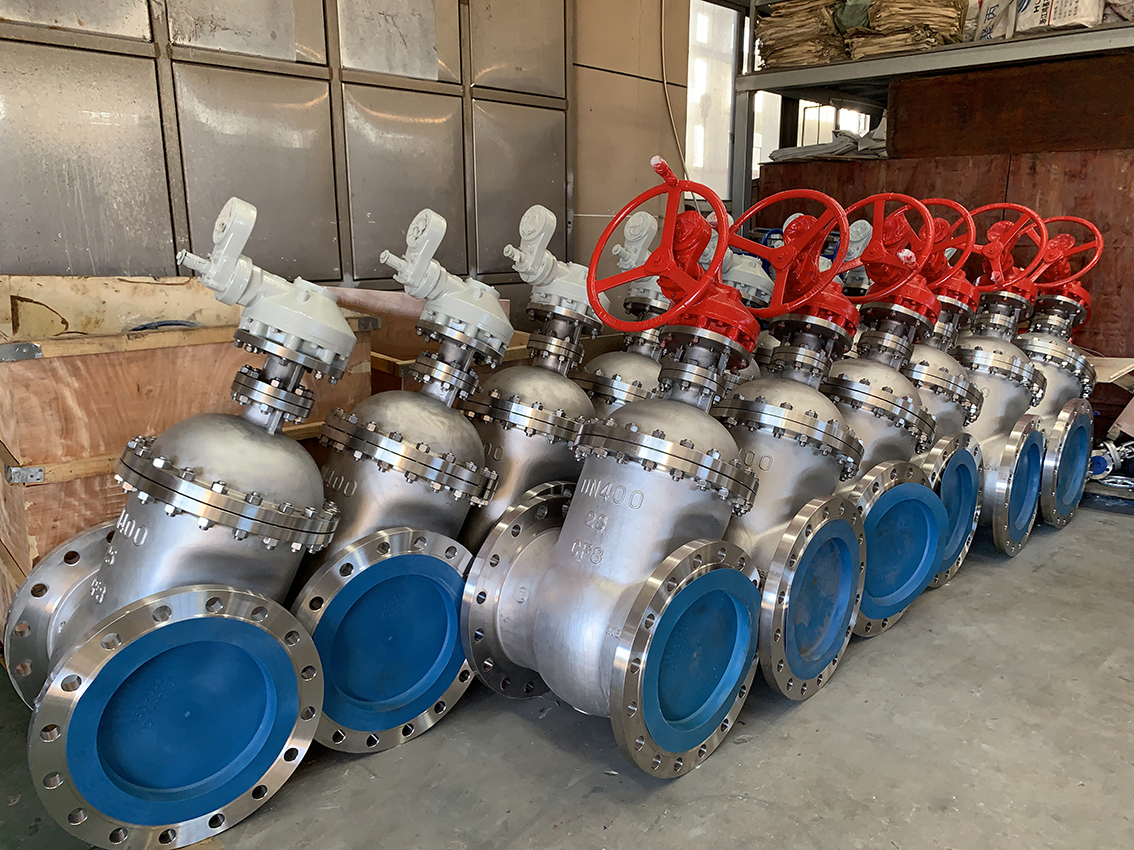
Within its broader valve portfolio, XINTAI's Gate Valves are positioned as pipeline isolation valves for full-bore flow control, addressing two specific operational pain points: media leakage to the environment and solid accumulation within pipelines. The product line's differentiated value centers on emissions control—for hazardous chemical pipelines, the bellow-sealed design is engineered to prevent fluid leakage to the environment, directly addressing the fugitive emission concerns that refinery and petrochemical operators must manage.
The product line incorporates three distinct configurations, each engineered for a specific functional outcome:
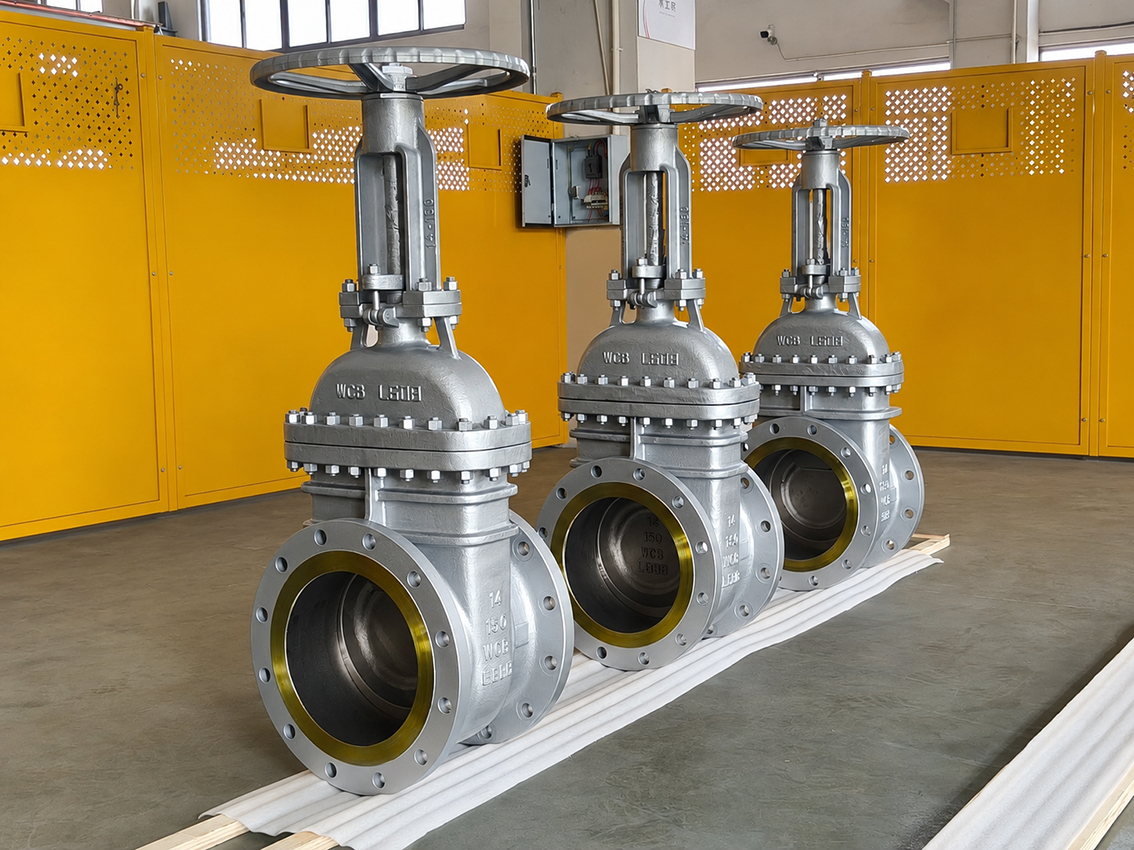
- Wedge gate design: A wedge-shaped gate configuration that stops fluid flow reliably, suited for full isolation duties.
- Knife gate design: A sharp gate edge that cuts through slurries, pulp, and solid contaminants, reducing the risk of blockage-related failures in lines carrying particulate-heavy media.
- Bellow seal design: A secondary metallic barrier that eliminates stem packing leakage, offering an additional layer of containment beyond conventional packing systems.
These valves are delivered through a hardware supply model and are adapted for industries including wastewater treatment, chemical processing, and pulp and paper—sectors that share many of the same media-handling and containment demands present in oil and gas refinery pipelines. Refinery operators, categorized within XINTAI's customer base as "end-user factories (refineries, power plants)," fall within the company's broader oil and gas and chemical/petrochemical industry coverage.
Manufacturing Scale, Precision, and Quality Assurance
A central pillar of XINTAI's value proposition is its integrated supply chain: internal ownership of casting foundries and machining bases enables full-process quality control, optimized costs, and reliable supply stability—an important consideration for refinery projects where delivery consistency and traceability are essential. The company's smart manufacturing capability is built around advanced automation, with 13 six-axis robots improving production efficiency by 40%, which supports consistent quality and reduced manufacturing variation across large production runs.
XINTAI also emphasizes precision engineering excellence, using advanced machining and inspection systems to deliver micro-level tolerances for demanding flow control applications. In terms of documented technical metrics, the company reports an operational pressure capability up to Class 2500 and a yearly manufacturing capacity of 270,000 valves. This manufacturing base is supported by 580 employees, including 33 engineers, 41 testers, and 25 quality managers, operating across 6 production bases in Wenzhou, Tianjin, and Lishui, with a combined facility area of 58,800 m².
Certifications and Standards Compliance
For refinery-grade applications, standards compliance is non-negotiable. XINTAI holds a broad certification portfolio, including ISO 9001, ISO 14001, ISO 45001, CE Certification, EU Declaration of Conformity, PED, API 600, API 602, API 6D, API 607, API 6FA, ISO 10497, ISO 15848-1, API 624, SIL, EAC, PAT Certification, and TAT Certification. The company also holds Petronas Certified Supplier and Petrobras Certified Supplier designations, reflecting qualification processes tied to major oil and gas sector customers.
On the platform level, XINTAI's valve systems are compatible with API 6D, API 602, API 600, DIN, JIS, and GOST standards, and can be configured with manual, pneumatic, or electric actuators—flexibility that allows gate valves to be specified according to project-specific automation requirements common in refinery and petrochemical facilities.
Proven Track Record Across Global Markets
XINTAI's industry coverage spans oil and gas, chemical/petrochemical, power plants/power generation, marine/seawater desalination, pulp and paper, district heating, water treatment, and industrial cooling systems. Its customer base includes engineering companies, valve trading firms, end-user factories such as refineries and power plants, and distributors—supported by an annual output of 270,000 valves.
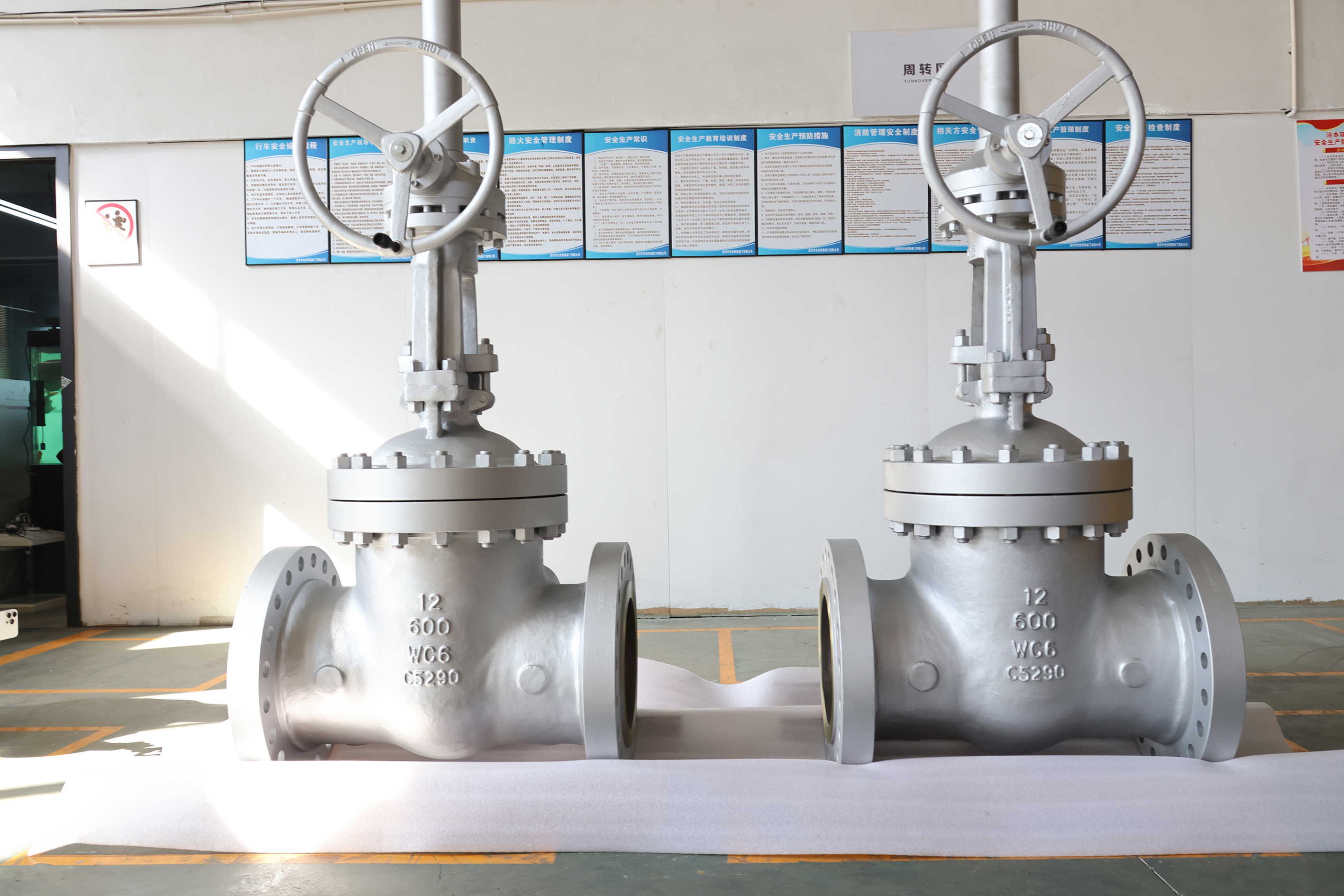
Two documented customer cases illustrate the company's market engagement. In the Southeast Asian market, XINTAI supplied valve solutions to Petronas, targeting valve supply that met project standards within a competitive regional market. In the South American market, the company supplied high-specification valves to Petrobras for petrochemical projects, reflecting deployment in demanding petrochemical operating conditions. On a broader scale, XINTAI reports that 20% of its products are exported to Europe and the USA, with the remaining 80% distributed across other global regions.
Conclusion
For refinery operators evaluating gate valve suppliers, XINTAI Valve Group's combination of integrated manufacturing, precision production, and engineering expertise is intended to help customers achieve safer, more efficient, and more reliable operations. The Gate Valve (Wedge/Knife/Bellow) product line's bellow-sealed emissions control, knife-edge solids handling, and wedge-based isolation reliability—backed by API 6D and related API/ISO certifications, Class 2500 pressure capability, and a documented track record with certified suppliers such as Petronas and Petrobras—position XINTAI Valve as a manufacturer capable of supporting the containment, compliance, and reliability requirements found in oil and gas refinery pipeline systems.
www.xintaivalves.com
Xintai Valve Group Co., Ltd.